World Literature Courses
World Literature courses can help you learn about diverse literary traditions, critical analysis, and thematic exploration across cultures. You can build skills in comparative literature techniques, text interpretation, and understanding historical contexts that shape narratives. Many courses introduce tools like literary theory frameworks and digital humanities resources, which enhance your ability to analyze texts and engage with global literary conversations.
Popular World Literature Courses and Certifications
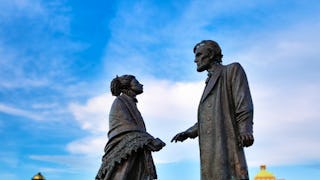
Dartmouth College
Skills you'll gain: Storytelling, Oral Expression, Writing, Liberal Arts, Editing, Ethical Standards And Conduct, Social Studies, Aesthetics, Social Justice, World History, Art History, Writing and Editing, Cultural Diversity, Culture, Sociology, Advocacy, Political Sciences
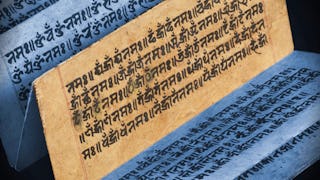
University of Geneva
Skills you'll gain: World History, Teaching, Pedagogy, Cultural Diversity, Culture, Intercultural Competence, European History, Liberal Arts, Aesthetics
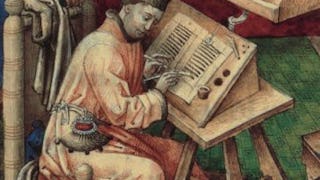
University of Virginia
Skills you'll gain: Public History, Writing, Storytelling, Writing and Editing, World History, European History, Research, Community Development, Culture, Creativity

Ludwig-Maximilians-Universität München (LMU)
Skills you'll gain: Performing Arts, Culture, International Relations, World History, Cultural Diversity, Art History, Social Studies, Intercultural Competence, Public History, Media and Communications, Research Methodologies, Research
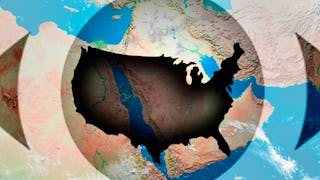
Rice University
Skills you'll gain: International Relations, Intercultural Competence, Social Studies, Cultural Diversity, World History, Diversity Awareness, Political Sciences, Social Sciences, Economics, Sociology, Social Justice

What brings you to Coursera today?

Wesleyan University
Skills you'll gain: Editing, Storytelling, Peer Review, Writing and Editing, Writing, Content Creation, Creativity

Skills you'll gain: Writing, Writing and Editing, Liberal Arts

University of Pennsylvania
Skills you'll gain: Aesthetics, Liberal Arts, Cultural Responsiveness, Storytelling, Diversity Awareness, Oral Expression

Sage Publications
Skills you'll gain: Research, Report Writing, Writing, Research Design, Journals, Research Methodologies

University of Virginia
Skills you'll gain: European History, World History, International Relations, Social Sciences, Political Sciences, Economics, Economic Development, Liberal Arts, Socioeconomics, Diplomacy, Culture, Governance

University of Virginia
Skills you'll gain: World History, International Relations, Social Studies, Diplomacy, European History, Political Sciences, Social Sciences, Socioeconomics, Economics, Policy, and Social Studies, Economics, Public Safety and National Security, Governance

Multiple educators
Skills you'll gain: AI literacy, Retrieval-Augmented Generation, AI powered creativity, Vibe coding, Problem Solving, AI Enablement, Prompt Engineering Tools, AI Personalization, Multimodal Prompts, Productivity Software, Generative AI, Communication Strategies, Responsible AI, Business Communication, Productivity, Project Planning, Planning, Business Planning, Project Management, Business
What brings you to Coursera today?
Best free World Literature courses
High-quality free World Literature courses you can start today.
- Littérature mondialeUniversity of GenevaIntermediate1 - 3 MonthsFree
- Plagues, Witches, and War: The Worlds of Historical FictionUniversity of VirginiaBeginner1 - 3 MonthsFree
- Theatre and GlobalizationLudwig-Maximilians-Universität München (LMU)Beginner1 - 3 MonthsFree
Best World Literature courses from University of Virginia
Top-rated World Literature courses offered by University of Virginia on Coursera.
- The Modern World, Part One: Global History from 1760 to 1910University of VirginiaBeginner1 - 3 MonthsUniversity of Virginia
- The Modern World, Part Two: Global History since 1910University of VirginiaBeginner1 - 3 MonthsUniversity of Virginia
Best World Literature certificate programs
Earn a certificate in World Literature from top universities and companies.
- American Renaissance: Classic Literature of the 19th CenturyDartmouth CollegeBeginner3 - 6 MonthsSpecialization
- Creative WritingWesleyan UniversityBeginner3 - 6 MonthsSpecialization
- Real-World AI for EveryoneAdvancing Women in TechBeginner1 - 3 MonthsSpecialization
Best World Literature courses for beginners
Top-rated beginner-friendly World Literature courses with no prerequisites.
- America Through Foreign EyesRice UniversityBeginner1 - 3 MonthsNo prerequisites
- Modern & Contemporary American Poetry (“ModPo”)University of PennsylvaniaBeginner3 - 6 MonthsNo prerequisites
- Conduct a Literature ReviewSage PublicationsBeginner1 - 3 MonthsNo prerequisites










