Government Courses
Government courses can help you learn policy analysis, legislative processes, public administration, and the workings of political systems. You can build skills in advocacy, data analysis, and effective communication with stakeholders. Many courses introduce tools such as statistical software for analyzing public data, project management platforms for implementing initiatives, and simulation models for understanding governance scenarios.
Popular Government Courses and Certifications

University of Maryland, College Park
Skills you'll gain: Innovation, AI Enablement, Scalability, Procurement, Artificial Intelligence, Automation, Initiative and Leadership, AI literacy, AI Integrations, Natural Language Processing, Business Transformation, Organizational Change, Digital Transformation, Organizational Effectiveness, Performance Improvement, Emerging Technologies, Product Improvement, Operational Efficiency, Goal Setting, Product Requirements

Pearson
Skills you'll gain: Environmental Regulations, Legal Risk, Environmental Laws, Regulatory Compliance, Law, Regulation, and Compliance, Business Administration, Environmental Issue, Compliance Management, Regulatory Requirements, Regulation and Legal Compliance, Legal Strategy, Business Management, Regulatory Affairs, Business, Commercial Laws, Environmental Policy, Labor Compliance, Administration, Labor Law, Safety Standards

University of Pennsylvania
Skills you'll gain: Compliance Training, Compliance Management, Regulatory Compliance, Law, Regulation, and Compliance, Regulation and Legal Compliance, Legal Risk, Business Ethics, Internal Controls, Risk Analysis, Risk Mitigation, Fraud detection, Business Risk Management, Ethical Standards And Conduct, Commercial Laws, Risk Management, Due Diligence, Employee Training, International Relations, Operations Management, Strategic Planning
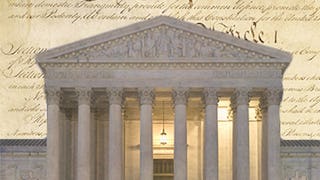
University of California, Irvine
Skills you'll gain: Political Sciences, Case Law, Appeals, Court Systems, Adjudication, Legal Proceedings, Law, Regulation, and Compliance, Policy Analysis, Research, and Development, Public Policies, International Relations, Governance, Case Studies

University of Illinois Urbana-Champaign
Skills you'll gain: Fund Accounting, Governmental Accounting, General Accounting, Financial Reporting, Non-Profit Accounting, Financial Accounting, Accounting, Generally Accepted Accounting Principles (GAAP), Specialized Accounting, Financial Statements, Cash Flows, Accrual Accounting, Reconciliation, Accountability

What brings you to Coursera today?

The State University of New York
Skills you'll gain: Digital Design, digital literacy, Infographics, Content Creation, Graphic Design, Digital Publishing, Brainstorming, Planning, Information Management, Research, Literacy, Lifelong Learning, Critical Thinking, Investigation, Analytical Skills, Digital Communications, Multimedia, Intellectual Property, Peer Review, Communication

University of Michigan
Skills you'll gain: Policy Analysis, Research, and Development, Policy Analysis, Policy Development, Social Justice, Advocacy, Public Policies, Political Sciences, Health Policy, Social and Human Services, Social Impact, Economics, Policy, and Social Studies, Program Evaluation, Public Administration, Diversity Equity and Inclusion Initiatives, Problem Solving

The Hong Kong University of Science and Technology
Skills you'll gain: FinTech, Governance Risk Management and Compliance, Regulatory Compliance, Financial Regulation, Compliance Management, Business Continuity Planning, Disaster Recovery, Risk Management Framework, Financial Regulations, Financial Controls, Operational Risk, Bank Regulations, Business Continuity, Security Management, Financial Services, Market Trend, Financial Systems, Workforce Development, Banking, Blockchain

University of Maryland, College Park
Skills you'll gain: Innovation, AI Enablement, Artificial Intelligence, Initiative and Leadership, AI literacy, Business Transformation, Digital Transformation, Governance, Technology Strategies, Market Opportunities, Product Lifecycle Management, Product Management, Stakeholder Engagement, Product Roadmaps, Public Policies, Automation, Policy Analysis, Market Analysis, Persona (User Experience), Market Research

Skills you'll gain: Medical Billing, Denial Management, Medical Billing and Coding, Medical Coding, ICD Coding (ICD-9/ICD-10), Billing, Patient Registration, CPT Coding, Accounts Receivable, Payment Processing and Collection, Billing & Invoicing, Health Information Management, Medical Records, Utilization Management, Clinical Documentation, Health Systems, Insurance, Medicare, Healthcare Industry Knowledge, Regulatory Compliance

John Wiley & Sons
Skills you'll gain: Culture, Culture Transformation, Organizational Leadership, Organizational Structure, Organizational Development, Cultural Sensitivity, Intercultural Competence, Cultural Diversity, Leadership Studies, Case Studies, Business Leadership, Team Management, Strategic Leadership, Team Leadership, Rapport Building, Organizational Skills, Employee Engagement, Leadership, Business Communication, Business Strategy
AI CERTs
Skills you'll gain: Public Administration, Data Literacy, Fraud detection, Generative AI Agents, Law, Regulation, and Compliance, AI Workflows, Automation, Agentic systems, Digital Transformation
What brings you to Coursera today?
Best Government courses from University of Maryland, College Park
Top-rated Government courses offered by University of Maryland, College Park on Coursera.
- Artificial Intelligence In Government ProcurementUniversity of Maryland, College ParkBeginner3 - 6 MonthsUniversity of Maryland, College Park
- Innovation in Government: Navigating the Age of AIUniversity of Maryland, College ParkBeginner1 - 3 MonthsUniversity of Maryland, College Park
Best Government certificate programs
Earn a certificate in Government from top universities and companies.
- Applied Digital LiteracyThe State University of New YorkBeginner3 - 6 MonthsSpecialization
- FinTech: Finance Industry Transformation and RegulationThe Hong Kong University of Science and TechnologyBeginner3 - 6 MonthsSpecialization
- AAPC Medical BillerAAPCBeginner3 - 6 MonthsProfessional Certificate
Best Government courses for beginners
Top-rated beginner-friendly Government courses with no prerequisites.
- Government RegulationPearsonBeginner1 - 4 WeeksNo prerequisites
- Chemerinsky on Constitutional Law - The Structure of GovernmentUniversity of California, IrvineBeginner1 - 3 MonthsNo prerequisites
- Using Public Policy for Social ChangeUniversity of MichiganBeginner1 - 4 WeeksNo prerequisites










