This three-week course is designed to strengthen your understanding of the natural systems that shape successful gardens. It is for gardeners of all experience levels who want to better understand how plants interact with their environment and how ecological factors influence growth, productivity, and resilience.

The Garden Ecosystem

The Garden Ecosystem
Dieser Kurs ist Teil von Spezialisierung „Introduction to Ecological Gardening“

Dozent: Emily Tepe
Bei Mehr erfahren enthalten
Verschaffen Sie sich einen Einblick in ein Thema und lernen Sie die Grundlagen.
Stufe Anfänger
Empfohlene Erfahrung
1 Woche zu vervollständigen
unter 10 Stunden pro Woche
Flexibler Zeitplan
In Ihrem eigenen Lerntempo lernen
Was Sie lernen werden
How garden ecosystems function, including biodiversity, plant classification, and beneficial insects
How to evaluate soil health using physical, biological, and chemical properties and basic soil tests
How climate, weather, temperature, sunlight, and microclimates influence plant selection, placement, and timing
Kompetenzen, die Sie erwerben
- Kategorie: Biology
- Kategorie: Plant Operations and Management
- Kategorie: Taxonomy
- Kategorie: Sustainable Systems
- Kategorie: Analytical Testing
- Kategorie: Environment
- Kategorie: Life Sciences
- Kategorie: Environmental Science
- Kategorie: Microbiology
Wichtige Details

Zertifikat zur Vorlage
Zu Ihrem LinkedIn-Profil hinzufügen
Kürzlich aktualisiert!
Juni 2026
Bewertungen
19 Aufgaben
Unterrichtet in Englisch
Erfahren Sie, wie Mitarbeiter führender Unternehmen gefragte Kompetenzen erwerben.

Erweitern Sie Ihre Fachkenntnisse
Dieser Kurs ist Teil der Spezialisierung Spezialisierung „Introduction to Ecological Gardening“
Wenn Sie sich für diesen Kurs anmelden, werden Sie auch für diese Spezialisierung angemeldet.
- Lernen Sie neue Konzepte von Branchenexperten
- Gewinnen Sie ein Grundverständnis bestimmter Themen oder Tools
- Erwerben Sie berufsrelevante Kompetenzen durch praktische Projekte
- Erwerben Sie ein Berufszertifikat zur Vorlage

In diesem Kurs gibt es 3 Module
Erwerben Sie ein Karrierezertifikat.
Fügen Sie dieses Zeugnis Ihrem LinkedIn-Profil, Lebenslauf oder CV hinzu. Teilen Sie sie in Social Media und in Ihrer Leistungsbeurteilung.
Dozent

Mehr von Environmental Science and Sustainability entdecken
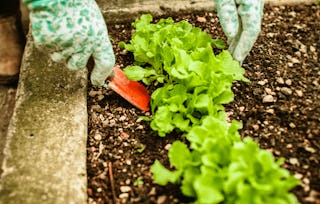
University of Minnesota
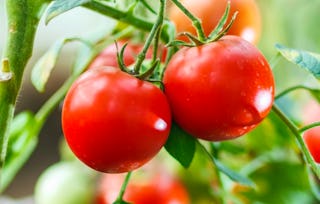
University of Minnesota
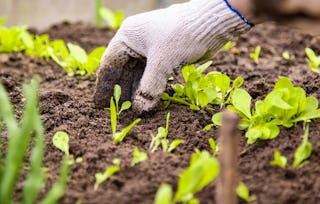
University of Minnesota
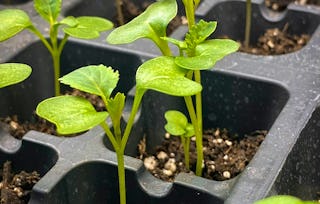
University of Minnesota
Warum entscheiden sich Menschen für Coursera für ihre Karriere?

Felipe M.
Lernender seit 2018
„Es ist eine großartige Erfahrung, in meinem eigenen Tempo zu lernen. Ich kann lernen, wenn ich Zeit und Nerven dazu habe.“

Jennifer J.
Lernender seit 2020
„Bei einem spannenden neuen Projekt konnte ich die neuen Kenntnisse und Kompetenzen aus den Kursen direkt bei der Arbeit anwenden.“

Larry W.
Lernender seit 2021
„Wenn mir Kurse zu Themen fehlen, die meine Universität nicht anbietet, ist Coursera mit die beste Alternative.“

Chaitanya A.
„Man lernt nicht nur, um bei der Arbeit besser zu werden. Es geht noch um viel mehr. Bei Coursera kann ich ohne Grenzen lernen.“
Bringen Sie Ihre Karriere mit einem Online-Abschluss voran.
Erwerben Sie einen Abschluss von erstklassigen Universitäten – 100 % online




Häufig gestellte Fragen
Weitere Fragen
Finanzielle Unterstützung verfügbar,