Pseudocode
Filter by
SubjectRequired
LanguageRequired
Learning ProductRequired
LevelRequired
DurationRequired
SubtitlesRequired
EducatorRequired
Hands-on LearningRequired
ToolsRequired
Results for "Pseudocode"

University of London
Skills you'll gain: Pseudocode, Algorithms, Computer Science, Data Structures, Diagram Design

Skills you'll gain: Pseudocode, Programming Principles, Program Development, Software Visualization, Computational Logic, Process Modeling, Diagram Design, Computer Programming Tools, Code Reusability, Computer Programming, Maintainability, Software Documentation, Software Installation

University of Pennsylvania
Skills you'll gain: Computational Thinking, Algorithms, Programming Principles, Program Development, Pseudocode, Problem Solving, Analytical Skills, Python Programming, Computer Systems, Data Structures, Computer Hardware, Computer Programming, Object Oriented Programming (OOP), Analysis, Computer Architecture, Debugging

Multiple educators
Skills you'll gain: Dashboard Creation, Dashboard, Web Scraping, Pseudocode, Jupyter, Algorithms, Data Literacy, Data Mining, Data Analysis, R (Software), Correlation Analysis, Pandas (Python Package), NumPy, Data Import/Export, Predictive Modeling, Python Programming, Machine Learning Algorithms, Data Science, Machine Learning, Project Management
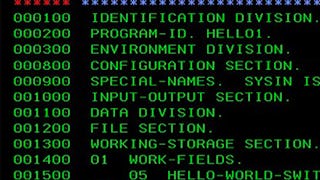
Skills you'll gain: Mainframe Computing, COBOL (Programming Language), Systems Development Life Cycle, Software Development Life Cycle, Mainframe Technologies, z/OS, Unit Testing, Systems Analysis, Job Control Language (JCL), IBM DB2, Systems Development, Agile Software Development, Debugging, Pseudocode, Program Development, Software Development Methodologies, Virtualization, Agile Methodology, Software Development, File I/O

Skills you'll gain: Systems Development Life Cycle, Software Development Life Cycle, z/OS, COBOL (Programming Language), Unit Testing, Systems Analysis, Systems Development, Pseudocode, Program Development, Software Development Methodologies, Agile Methodology, Software Development, Software Design, Agile Software Development, Systems Architecture, Mainframe Computing, Scrum (Software Development), Test Planning, Mainframe Technologies, Software Testing

Skills you'll gain: User Research, Cascading Style Sheets (CSS), JSON, User Experience Design, Command-Line Interface, Design Research, Javascript, Unix Shell, Usability, Debugging, User Interface (UI), Software Visualization, Web Content Accessibility Guidelines, Pseudocode, Hypertext Markup Language (HTML), User Interface and User Experience (UI/UX) Design, UI Components, Unit Testing, Mobile Development Tools, Code Reusability

Skills you'll gain: Django (Web Framework), Responsive Web Design, Cascading Style Sheets (CSS), HTML and CSS, Back-End Web Development, Relational Databases, Object Oriented Programming (OOP), Database Management Systems, Bootstrap (Front-End Framework), Database Management, Database Theory, SQL, Database Design, Front-End Web Development, Unit Testing, MySQL, Full-Stack Web Development, Computer Programming, Pseudocode, Communication

Microsoft
Skills you'll gain: Responsive Web Design, Usability, Object Oriented Design, Version Control, User Experience Design, Design Thinking, User Centered Design, Web Design and Development, Web Content Accessibility Guidelines, .NET Framework, Microsoft Visual Studio, Authorization (Computing), AI Integrations, Application Security, Computational Thinking, User Interface (UI) Design, Web Components, Pseudocode, Microsoft Development Tools, Javascript

Coursera
Skills you'll gain: Embedded Software, Real-Time Operating Systems, Embedded Systems, Software Architecture, Code Reusability, Pseudocode, Microarchitecture, Memory Management, Systems Architecture, Hardware Architecture, Computer Hardware, Electronic Hardware, System Programming, Computer Architecture, Software Design, Cross Platform Development, Systems Design, Software Design Patterns, Internet Of Things, Hardware Troubleshooting

Skills you'll gain: Embedded Software, Embedded Systems, Pseudocode, Microarchitecture, Hardware Architecture, Computer Architecture, Software Design, System Programming, Systems Design, Software Design Patterns, Systems Integration, Programming Principles, Event-Driven Programming, Program Development, Real Time Data, Peripheral Devices, Memory Management

Skills you'll gain: Data Structures, Algorithms, Software Visualization, Pseudocode, Programming Principles, Computational Thinking, Theoretical Computer Science, Computer Science, Technical Communication, Computer Programming, Graph Theory, Software Design Patterns, Communication