Cardiovascular courses can help you learn about heart anatomy, physiology, and common cardiovascular diseases, along with diagnostic techniques like echocardiography and stress testing. You can build skills in patient assessment, interpreting electrocardiograms (ECGs), and developing treatment plans for various conditions. Many courses introduce tools such as cardiac monitoring devices and software for analyzing heart function, that support applying your knowledge in clinical settings.

Skills you'll gain: Electocardiography, Cardiac Dysrhythmia, Cardiac Surgery, Chronic Diseases, Hemodynamics, Patient Education And Counseling, Cardiology, Medical Surgical Nursing, Care Management, Patient Observation, Nursing Care, Clinical Practices, Medical Emergency, Perioperative Care, Diagnostic Tests, Clinical Experience, Anatomy, Physiology, Basic Nursing Skills, Patient Evaluation
Intermediate · Specialization · 1 - 3 Months

Skills you'll gain: Electocardiography, Hemodynamics, Cardiac Dysrhythmia, Cardiology, Patient Observation, Basic Nursing Skills, Clinical Practices, Patient Evaluation, Medical Emergency, Clinical Experience, Anatomy, Blood Pressure, Physiology, Vital Signs, Clinical Nursing
Intermediate · Course · 1 - 4 Weeks

Lecturio
Skills you'll gain: Electocardiography, Cardiac Dysrhythmia, Cardiology, Basic Nursing Skills, Patient Evaluation, Clinical Nursing, Critical Care
Intermediate · Course · 1 - 4 Weeks

University of Zurich
Skills you'll gain: Cardiology, Chronic Diseases, Rehabilitation, Diagnostic Tests, Anatomy, Sports Medicine, Preventative Care, Blood Pressure, Behavioral Health, Physiology, Pharmacotherapy, Biology, Behavior Management
Beginner · Course · 1 - 3 Months

University of Michigan
Skills you'll gain: Pulmonology, Cardiology, Respiration, Anatomy, Hematology, Urology, Nephrology, Physiology
Beginner · Course · 1 - 4 Weeks

University of Michigan
Skills you'll gain: Human Musculoskeletal System, Anatomy, Endocrinology, Pulmonology, Cardiology, Respiration, Gynecology, Hematology, Obstetrics And Gynecology, Orthopedics, Neurology, Urology, Nephrology, Kinesiology, Physiology, Medical Imaging, Sports Medicine, Biology, Medical Terminology, Cell Biology
Beginner · Specialization · 3 - 6 Months

Skills you'll gain: Hemodynamics, Capillary, Cardiology, Immunology, Hematology, Respiration, Physiology, Anatomy, Vital Signs, Medical Terminology, Diagnostic Tests
Beginner · Course · 1 - 4 Weeks

Rice University
Skills you'll gain: Human Musculoskeletal System, Anatomy, Endocrinology, Orthopedics, Kinesiology, Physiology, Neurology, Medical Terminology, Cell Biology, Biology, Chemistry, Clinical Practices, Sports Medicine, Physical Therapy, Molecular, Cellular, and Microbiology, Life Sciences, Lifelong Learning
Intermediate · Specialization · 3 - 6 Months

Rice University
Skills you'll gain: Medical Terminology, Medical History Documentation, Pulmonology, Cardiology, Electronic Medical Record System, Medical Records, Endocrinology, Human Musculoskeletal System, Orthopedics, Obstetrics And Gynecology, Neurology, Gynecology, Urology, Hematology, Anatomy, Immunology, Diagnostic Tests, Patient Treatment, Physiology, Communication
Beginner · Specialization · 3 - 6 Months
Skills you'll gain: Medical Terminology, Revenue Cycle Management, Healthcare Ethics, Medical Billing, Medical Billing and Coding, Conflict Management, Patient Communication, Anatomy, Pathology, Medical Coding, Cultural Responsiveness, Patient-centered Care, Electronic Medical Record, Professionalism, Health Care Procedure and Regulation, Health Information Management and Medical Records, Professional Development, Medical Records, Physiology, Payment Processing
Beginner · Specialization · 3 - 6 Months

University of Pennsylvania
Skills you'll gain: Vital Signs, Respiration, Respiratory Care, Pulmonology, Pain Management, Physiology, Health Assessment, Cardiology, Thermal Management, Neurology, Patient Evaluation, Anatomy, Clinical Assessment
Mixed · Course · 1 - 3 Months

Skills you'll gain: Medical Terminology, Pulmonology, Pathology, Endocrinology, Cardiology, Medical Records, Respiratory Therapy, Neurology, Obstetrics And Gynecology, General Medical Tests and Procedures, Diagnostic Tests, Urology, Gynecology, Anatomy, Human Musculoskeletal System, Health Information Management and Medical Records, Cell Biology, Orthopedics, Physiology, Immunology
Beginner · Specialization · 3 - 6 Months
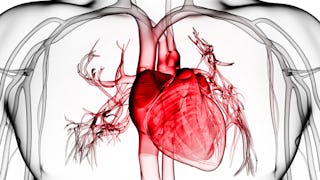
Cardiovascular refers to the cardiovascular system, which consists of the heart, blood vessels, and blood. This system is responsible for circulating blood and transporting oxygen, nutrients, hormones, and waste products to and from different parts of the body. The heart is the central organ in the cardiovascular system and is responsible for pumping blood throughout the body. The blood vessels, including arteries, veins, and capillaries, play a crucial role in carrying blood to various organs and tissues. The cardiovascular system is essential for ensuring proper functioning of the body and maintaining overall health.‎
To pursue a career or gain expertise in Cardiovascular, you would need to learn and develop the following skills:
Medical knowledge: Gain a solid understanding of the cardiovascular system, cardiovascular diseases, and related medical terminology. This includes knowledge of the anatomy, physiology, and pathology of the heart and blood vessels.
Diagnostic skills: Develop the ability to assess and diagnose cardiovascular disorders through various diagnostic tests and procedures, such as echocardiography, electrocardiography (ECG), stress testing, and cardiac catheterization.
Patient care and communication: Hone your skills in providing comprehensive care to cardiovascular patients. This involves effective communication with patients, their families, and medical professionals. Understanding patient needs, actively listening, and providing emotional support are vital aspects of patient care.
Treatment and intervention: Acquire knowledge about different treatment options available for cardiovascular diseases. This includes both medical management, such as medication and lifestyle modifications, as well as interventional procedures like angioplasty, stenting, and cardiac surgeries.
Problem-solving and analytical skills: Develop strong analytical and problem-solving abilities to assess complex cardiovascular cases and develop appropriate treatment plans. This requires the ability to interpret medical data, analyze test results, and make informed decisions.
Research and knowledge update: Stay up to date with the latest research, advancements, and guidelines in the field of cardiovascular medicine. Regularly read scientific journals, attend conferences, and participate in continuing medical education (CME) programs to enhance your knowledge and skills.
Teamwork and collaboration: Collaborate effectively with interdisciplinary healthcare teams, including cardiologists, nurses, surgeons, and other healthcare professionals. Emphasize teamwork, coordination, and effective communication to provide the best possible care to patients.
Remember, pursuing a career in cardiovascular medicine often requires formal education, such as a medical degree or specialization in cardiology. Make sure to research and consult with educational institutions or medical schools to determine the specific requirements and curriculum necessary to achieve your career goals.‎
With cardiovascular skills, you can pursue various job opportunities in the healthcare industry. Some potential career options include: 1. Cardiovascular Technologist: Perform diagnostic tests such as electrocardiograms (EKGs), stress tests, and echocardiograms. 2. Cardiac Sonographer: Use ultrasound technology to create images of the heart for diagnostic purposes. 3. Cardiovascular Nurse: Specialize in caring for patients with heart and vascular diseases, providing support, monitoring, and administering medications. 4. Cardiac Rehabilitation Specialist: Help patients recovering from heart surgeries or cardiac events by developing exercise plans and educating them on lifestyle modifications. 5. Cardiopulmonary Perfusionist: Operate the heart-lung machine during open-heart surgeries, maintaining blood circulation and oxygenation. 6. Cardiovascular Researcher: Conduct experiments, collect data, and analyze findings related to cardiovascular diseases and treatment methods. 7. Cardiovascular Physician Assistant: Work under the supervision of a cardiologist, assist in patient exams, perform tests, and prescribe medications. 8. Cardiovascular Surgeon: Perform surgical procedures to treat cardiovascular conditions and diseases. 9. Vascular Technologist: Use non-invasive imaging techniques to diagnose and assess conditions affecting blood vessels and circulation. 10. Electrophysiology Technician: Assist cardiologists in diagnosing and treating electrical problems of the heart, such as arrhythmias.
These are just a few examples, and there may be other specialized roles and career paths available within the field of cardiovascular medicine.‎
People who are interested in the human body, have a strong background in biology or healthcare, and are passionate about helping others improve their cardiovascular health are best suited for studying cardiovascular.‎
Here are some topics related to Cardiovascular that you can study:
These topics cover a wide range of subjects within the field of Cardiovascular and can provide you with a comprehensive understanding of this area of study.‎
Online Cardiovascular courses offer a convenient and flexible way to enhance your knowledge or learn new Cardiovascular refers to the cardiovascular system, which consists of the heart, blood vessels, and blood. This system is responsible for circulating blood and transporting oxygen, nutrients, hormones, and waste products to and from different parts of the body. The heart is the central organ in the cardiovascular system and is responsible for pumping blood throughout the body. The blood vessels, including arteries, veins, and capillaries, play a crucial role in carrying blood to various organs and tissues. The cardiovascular system is essential for ensuring proper functioning of the body and maintaining overall health. skills. Choose from a wide range of Cardiovascular courses offered by top universities and industry leaders tailored to various skill levels.‎
When looking to enhance your workforce's skills in Cardiovascular, it's crucial to select a course that aligns with their current abilities and learning objectives. Our Skills Dashboard is an invaluable tool for identifying skill gaps and choosing the most appropriate course for effective upskilling. For a comprehensive understanding of how our courses can benefit your employees, explore the enterprise solutions we offer. Discover more about our tailored programs at Coursera for Business here.‎