Wenn Sie sich für diesen Kurs anmelden, werden Sie auch für diese Spezialisierung angemeldet.
Lernen Sie neue Konzepte von Branchenexperten
Gewinnen Sie ein Grundverständnis bestimmter Themen oder Tools
Erwerben Sie berufsrelevante Kompetenzen durch praktische Projekte
Erwerben Sie ein Berufszertifikat zur Vorlage
In diesem Kurs gibt es 5 Module
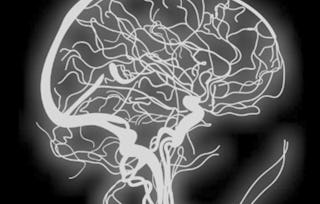
The course "Neuroscience Methods" provides hands-on experience with cutting-edge neuroscience methods, equipping you to explore how the brain supports perception, attention, memory, and emotion. You'll gain proficiency in using tools such as neuroimaging, biometric systems, psycho-physiological sensors, and eye trackers to collect and analyze complex datasets. Learn to interpret data through advanced neural imaging and physiological measurement techniques, and critically assess the strengths and limitations of different methods.
With a unique combination of theory and practice, this course empowers you to design robust research studies and make informed decisions about measurement tools. By mastering techniques like functional near-infrared spectroscopy (fNIRS) and eye-tracking analysis, you'll uncover valuable insights into cognitive and emotional processes. Whether you're a postgraduate student or researcher, this course will deepen your understanding of neuroscience tools and their applications, preparing you for innovative work in psychological and health-related fields.
This course explores the neural anatomy and cognitive functions related to perception, attention, memory, and emotion. Students will gain hands-on experience in using neuroimaging, biometric, psycho-physiological, and eye-tracking tools to collect and analyze data. Emphasis is placed on interpreting complex datasets and understanding various measurement techniques, including brain imaging, physiological, and qualitative methods. Learners will evaluate the strengths and limitations of different measurement approaches in psychological and neuroscience research. By the end, learners will be equipped to select appropriate tools and methods for research design and data interpretation.
Das ist alles enthalten
2 Lektüren1 Plug-in
Infos zu Modulinhalt anzeigen
2 Lektüren•Insgesamt 15 Minuten
Course Overview•10 Minuten
Instructor Biography: Dr. Jennifer McKneely•5 Minuten
1 Plug-in•Insgesamt 4 Minuten
Instructor Biography: Dr. Ian McCulloh•4 Minuten
Neural Imaging
Modul 2•5 Stunden abzuschließen
Moduldetails
This module provides an introduction to brain imaging techniques, with a focus on neural imaging tools and functional Near-Infrared Spectroscopy (fNIRS). Through the lessons "Visualizing the Mind: An Introduction to Neural Imaging and fNIRS" and "fNIRS: Experiment and Analysis," learners will explore the fundamentals of brain imaging and the application of fNIRS in both experimental settings and data analysis.
Das ist alles enthalten
6 Videos2 Lektüren3 Aufgaben
Infos zu Modulinhalt anzeigen
6 Videos•Insgesamt 94 Minuten
Neural Imaging Part 1•16 Minuten
Neural Imaging Part 2•12 Minuten
fNIRS Familiarization•9 Minuten
NIRSLab•19 Minuten
fNIRS Experiment•7 Minuten
fNIRS Analysis with Excel•31 Minuten
2 Lektüren•Insgesamt 120 Minuten
Reading References•60 Minuten
3 Aufgaben•Insgesamt 90 Minuten
Neural Imaging•60 Minuten
Visualizing the Mind: An Introduction to Neural Imaging and fNIRS•15 Minuten
fNIRS: Experiment and Analysis•15 Minuten
Neural Data Analysis
Modul 3•2 Stunden abzuschließen
Moduldetails
In this module, you will learn to analyze brain imaging data collected via functional near-infrared spectroscopy (fNIRS). The module will also include a brief primer on statistical testing. If students have not taken a statistics course that involves hypothesis testing before, it is wise to review the primer and attend office hours to make sure they understand the necessary content before completing any assignments.
Das ist alles enthalten
1 Video1 Lektüre2 Aufgaben
Infos zu Modulinhalt anzeigen
1 Video•Insgesamt 10 Minuten
St Patrick’s Day Lecture (T-Test) •10 Minuten
1 Lektüre•Insgesamt 5 Minuten
St Patrick’s Day Lecture (T-Test) •5 Minuten
2 Aufgaben•Insgesamt 75 Minuten
Neural Data Analysis•60 Minuten
St Patrick’s Day Lecture•15 Minuten
Biometric and Physiological Methods
Modul 4•6 Stunden abzuschließen
Moduldetails
This module introduces students to various biometric methods, focusing on eye-tracking technologies and other physiological measurement techniques. Through the lessons "Choosing Biometric Methods: Technologies and Techniques" and "Exploring Biometric Techniques: Eye Tracking Insights," learners will gain a deeper understanding of how biometric data is collected and analyzed, with a particular emphasis on the insights provided by eye-tracking technologies.
Das ist alles enthalten
4 Videos3 Lektüren3 Aufgaben
Infos zu Modulinhalt anzeigen
4 Videos•Insgesamt 48 Minuten
Biometric & Physiological Methods•7 Minuten
Techniques and Tools•21 Minuten
Summary of Techniques•7 Minuten
Eye Tracking Deep Dive•13 Minuten
3 Lektüren•Insgesamt 240 Minuten
Reading References•100 Minuten
Self-Reflective Reading: Consumer Neuroscience and Preference Studies•40 Minuten
3 Aufgaben•Insgesamt 90 Minuten
Biometric and Physiological Methods•60 Minuten
Choosing Biometric Methods: Technologies and Techniques•15 Minuten
The "Eye Tracking Analysis" module focuses on the principles and techniques of analyzing eye-tracking data. Through the lesson "Mastering Tobii: Data Import, Visualization, and Metrics," students will learn how to import, visualize, and interpret eye-tracking data, gaining hands-on experience with the Tobii platform to analyze experimental results effectively.
Das ist alles enthalten
3 Videos1 Lektüre2 Aufgaben
Infos zu Modulinhalt anzeigen
3 Videos•Insgesamt 19 Minuten
Conducting Data Analysis in Tobii, Part 1•4 Minuten
Conducting Data Analysis in Tobii, Part 2•9 Minuten
Conducting Data Analysis in Tobii, Part 3•6 Minuten
1 Lektüre•Insgesamt 20 Minuten
Conducting Data Analysis in Tobii•20 Minuten
2 Aufgaben•Insgesamt 75 Minuten
Eye Tracking Analysis•60 Minuten
Mastering Tobii: Data Import, Visualization, and Metrics•15 Minuten
Erwerben Sie ein Karrierezertifikat.
Fügen Sie dieses Zeugnis Ihrem LinkedIn-Profil, Lebenslauf oder CV hinzu. Teilen Sie sie in Social Media und in Ihrer Leistungsbeurteilung.
The mission of The Johns Hopkins University is to educate its students and cultivate their capacity for life-long learning, to foster independent and original research, and to bring the benefits of discovery to the world.
When will I have access to the lectures and assignments?
To access the course materials, assignments and to earn a Certificate, you will need to purchase the Certificate experience when you enroll in a course. You can try a Free Trial instead, or apply for Financial Aid. The course may offer 'Full Course, No Certificate' instead. This option lets you see all course materials, submit required assessments, and get a final grade. This also means that you will not be able to purchase a Certificate experience.
What will I get if I subscribe to this Specialization?
When you enroll in the course, you get access to all of the courses in the Specialization, and you earn a certificate when you complete the work. Your electronic Certificate will be added to your Accomplishments page - from there, you can print your Certificate or add it to your LinkedIn profile.
Is financial aid available?
Yes. In select learning programs, you can apply for financial aid or a scholarship if you can’t afford the enrollment fee. If fin aid or scholarship is available for your learning program selection, you’ll find a link to apply on the description page.