BM
5.0Reviewed Jul 22, 2024
This was also really informative, it has led me to want to go more into learning Python and SQL, this course was a real good introduction and quite good in how it was curated.

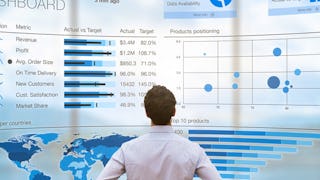
In the Implementing Supply Chain Analytics: Descriptive, Diagnostic, Predictive and Prescriptive course, you’ll discover how implementing analytical methods, models, and tools helps decision-making become more efficient. You’ll use different types of methods, models, and tools, depending on specific business scenarios or needs, to help you analyze the current state of the supply chain and to lead you to insightful solutions. You’ll also explore the utilization of supply chain models to evaluate and question the data to optimize the flow of goods, information, and cost in a supply chain to help identify potential improvements, determine the most efficient or practical course of action, and to communicate the impact to the customer. By the end of this course, you’ll be able to: Interpret historical data effectively using descriptive analytics. Forecast the most probable outcomes, projects, or future. scenarios, along with their business implications, using predictive analytics. Collaborate and make recommendations that maximize business value, addressing problems through prescriptive analytics. Describe the appropriate communication channels to display and summarize the data results and Supply Chain recommendations. Use supply chain models to evaluate and optimize the flow of goods, information, and sots with a supply chain.
BM
This was also really informative, it has led me to want to go more into learning Python and SQL, this course was a real good introduction and quite good in how it was curated.
RB
its was good but can also add more pratical questions
Showing: 15 of 15
The course opens doors for new opportunities and introduction to supply chain analysis but you need real hands on experience to really learn what you are doing. But it is great start and teaches lots of new things.
Implementing Supply Chain Analysis allows businesses to identify inefficiencies and optimize the flow of goods from raw material procurement to final delivery. By evaluating each stage of the value chain, companies can reduce operational costs, minimize lead times, and enhance overall responsiveness to market fluctuations
Thank you Unilever for this kind of self-paced training. I am able to view reply to things that quiet unclear to me. And it really add up to my self-development and could be a big help to my upcoming career.
This was also really informative, it has led me to want to go more into learning Python and SQL, this course was a real good introduction and quite good in how it was curated.
its was good but can also add more pratical questions
Great course with practical examples
topics are very understandable
Best of the best
full knowledge
The Best
Супер
Good theory, lacks programming
good
Fuzzy and not well focused contents.. .perhaps the differences in terms of SCM should be treated before, focusing here on py and sql
Information learned was great, but the assignments and grading is absolutely ridiculous. They will give you 5 minutes timed to complete a project that is minimum 20 minutes of just reading in general. Assignments and tests will ask you questions or ask you to do tasks that you have not yet learned, and then the next module is all about the topic.