Agile Courses
Agile courses can help you learn project management principles, iterative development, and team collaboration techniques. You can build skills in sprint planning, backlog refinement, and effective communication within cross-functional teams. Many courses introduce tools like Jira and Trello, which facilitate task tracking and enhance team productivity, allowing you to apply Agile methodologies effectively in real projects.
Popular Agile Courses and Certifications
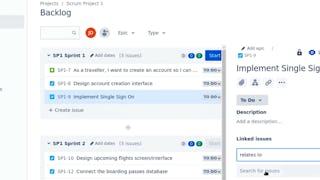
Skills you'll gain: Jira (Software), Sprint Planning, Backlogs, Scrum (Software Development), User Story, Agile Methodology, Agile Project Management, Plan Execution, Workflow Management, Run Chart, Project Planning, Project Management, Prioritization, Dependency Analysis
Coursera
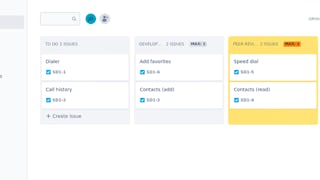
Skills you'll gain: Workflow Management, Jira (Software), Product Roadmaps, Collaborative Software, Kanban Principles, Project Coordination, Agile Software Development, Agile Methodology, Issue Tracking, Agile Project Management, Project Management Software
Skills you'll gain: Agile Product Development, Wireframing, Product Roadmaps, Journey Mapping, Agile Methodology, Customer experience improvement, Agile Project Management, Persona Development, Prototyping, Experience Design, User Story, Product Development, New Product Development, Customer Analysis, Product Strategy, Process Analysis
Coursera
Skills you'll gain: Kanban Principles, Agile Methodology, Workflow Management, Prioritization, Collaborative Software, Project Management Software, Organizational Skills, Lean Methodologies, Project Management, User Accounts, Administration

Skills you'll gain: Customer Analysis, New Product Development, Persona Development, Customer Insights, Product Strategy, Product Development, Design Thinking, Business Planning, Business Strategy, Marketing

What brings you to Coursera today?
Coursera
Skills you'll gain: User Story, Backlogs, Product Roadmaps, Sprint Planning, Agile Product Development, Product Planning, Agile Methodology, Prioritization, Product Development, Product Strategy
Skills you'll gain: Product Roadmaps, Workflow Management, Agile Methodology, Agile Project Management, Agile Product Development, Product Management, Product Planning, Technology Roadmaps, Performance Metric, Business Priorities, Collaborative Software, Product Strategy, Project Design, Team Management, Business Metrics
Skills you'll gain: Sprint Planning, Azure DevOps, Backlogs, Collaborative Software, Issue Tracking, Kanban Principles, Agile Software Development, Microsoft Azure, Project Management, DevOps
Skills you'll gain: Docker (Software), CI/CD, Cloud Deployment, Application Deployment, Amazon Elastic Compute Cloud, DevOps, Containerization, Cloud Hosting, Devops Tools, Spring Boot, Continuous Deployment, Amazon Web Services, Continuous Integration
Skills you'll gain: Program Management, Agile Project Management, Project Management Life Cycle, Process Flow Diagrams, Diagram Design, Project Closure, Agile Methodology, Benefits Administration, Project Documentation, Solution Design, Change Management
Skills you'll gain: Project Management Software, Project Coordination, Project Schedules, Project Management, Agile Project Management, Document Management, File Management, Collaborative Software, Waterfall Methodology, Backlogs, Resource Management, Kanban Principles, Prioritization, Internal Communications
Skills you'll gain: Stakeholder Management, Program Management, Agile Project Management, Stakeholder Engagement, Agile Methodology, Program Development, Stakeholder Analysis, Stakeholder Communications, Project Management, Diagram Design
What brings you to Coursera today?
Best free Agile courses
High-quality free Agile courses you can start today.
- How to create a Jira SCRUM projectCourseraBeginnerLess Than 2 HoursFree
- Get started with JiraCourseraBeginnerLess Than 2 HoursFree
- Agile Project: Product Prototype Touchpoint Analysis in MiroCourseraIntermediateLess Than 2 HoursFree
Best Agile courses from Coursera
Top-rated Agile courses offered by Coursera on Coursera.
- Trello for BeginnersCourseraBeginnerLess Than 2 HoursCoursera
- Product and Service Development: Empathy Mapping with MiroCourseraBeginnerLess Than 2 HoursCoursera
- Create User Stories in MiroCourseraBeginnerLess Than 2 HoursCoursera
Best Agile courses for beginners
Top-rated beginner-friendly Agile courses with no prerequisites.
- Getting Started with Azure DevOps BoardsCourseraBeginnerLess Than 2 HoursNo prerequisites
- Project Management in Basecamp: Make a project planCourseraBeginnerLess Than 2 HoursNo prerequisites
Best short Agile courses
Quick Agile courses you can complete in a few hours or less.
- Manage Agile Workflows with Product Roadmaps in MiroCourseraIntermediateLess Than 2 HoursQuick completion
- Build a CI/CD Pipeline with Docker: From Code to DeploymentCourseraIntermediateLess Than 2 HoursQuick completion
- Program Management Benefit Transition Sustainment in ClickUpCourseraIntermediateLess Than 2 HoursQuick completion










