This course provides a comprehensive introduction to 3D bioprinting as an emerging technology at the intersection of engineering, materials science, and biology. Starting from the fundamentals of 3D printing in biomedical applications, the course progressively covers bioprinting workflows, advanced printing techniques, biomaterial design, and cellular and tissue-level considerations. Through real-world examples and current research trends, students will gain insight into how bioprinting is transforming medical devices, drug testing platforms, and regenerative medicine.

3D Printing and Future Medical Technologies

Verschaffen Sie sich einen Einblick in ein Thema und lernen Sie die Grundlagen.
Stufe Anfänger
Empfohlene Erfahrung
4 Stunden zu vervollständigen
Flexibler Zeitplan
In Ihrem eigenen Lerntempo lernen
Kompetenzen, die Sie erwerben
- Kategorie: Chemistry
- Kategorie: Pharmacology
- Kategorie: Materials science
- Kategorie: Biotechnology
- Kategorie: Cell Biology
- Kategorie: Process Engineering
- Kategorie: Manufacturing Processes
- Kategorie: 3D Modeling
- Kategorie: Biological Engineering
- Kategorie: Chemical and Biomedical Engineering
- Kategorie: Biomedical Technology
- Kategorie: Molecular, Cellular, and Microbiology
- Kategorie: Cell Cultures
- Kategorie: Medical Equipment and Technology
- Kategorie: Biomedical Engineering
- Kategorie: Medical Devices
Wichtige Details

Zertifikat zur Vorlage
Zu Ihrem LinkedIn-Profil hinzufügen
Kürzlich aktualisiert!
September 2026
Bewertungen
6 Aufgaben
Unterrichtet in Englisch
Erfahren Sie, wie Mitarbeiter führender Unternehmen gefragte Kompetenzen erwerben.

In diesem Kurs gibt es 6 Module
Dozent


Mehr von Basic Science entdecken
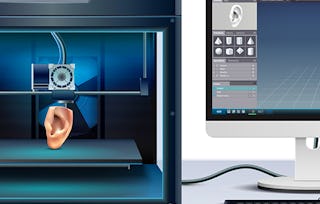
Indian Institute of Technology Guwahati
University of Illinois Urbana-Champaign
University of Illinois Urbana-Champaign
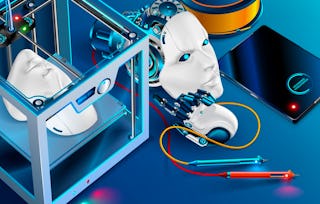
Arizona State University
Warum entscheiden sich Menschen für Coursera für ihre Karriere?

Felipe M.
Lernender seit 2018
„Es ist eine großartige Erfahrung, in meinem eigenen Tempo zu lernen. Ich kann lernen, wenn ich Zeit und Nerven dazu habe.“

Jennifer J.
Lernender seit 2020
„Bei einem spannenden neuen Projekt konnte ich die neuen Kenntnisse und Kompetenzen aus den Kursen direkt bei der Arbeit anwenden.“

Larry W.
Lernender seit 2021
„Wenn mir Kurse zu Themen fehlen, die meine Universität nicht anbietet, ist Coursera mit die beste Alternative.“

Chaitanya A.
„Man lernt nicht nur, um bei der Arbeit besser zu werden. Es geht noch um viel mehr. Bei Coursera kann ich ohne Grenzen lernen.“
Bringen Sie Ihre Karriere mit einem Online-Abschluss voran.
Erwerben Sie einen Abschluss von erstklassigen Universitäten – 100 % online




Häufig gestellte Fragen
Weitere Fragen
Finanzielle Unterstützung verfügbar,