Real-Time Operating Systems Courses
Real-time Operating Systems courses can help you learn task scheduling, resource management, interrupt handling, and system performance optimization. You can build skills in designing efficient algorithms, debugging real-time applications, and ensuring system reliability under time constraints. Many courses introduce tools like FreeRTOS, VxWorks, and QNX, that support implementing real-time applications in embedded systems and IoT devices.
Popular Real-Time Operating Systems Courses and Certifications
 Status: Free Trial
University of Colorado Boulder
Skills you'll gain: Real-Time Operating Systems, Systems Architecture, Software Architecture, Embedded Software, Software Design, System Design and Implementation, Embedded Systems, Performance Tuning, Systems Analysis, Electronic Hardware, Hardware Design, Electronic Systems, Systems Design, Hardware Architecture, Electrical and Computer Engineering, Requirements Analysis, System Programming, Reliability, Unix, Service Level
 Status: NewStatus: Preview
Skills you'll gain: Event-Driven Programming, Embedded Systems, Embedded Software, Interactive Design, Prototyping, Internet Of Things, System Design and Implementation, Digital Signal Processing, Development Environment, Peripheral Devices, Programming Principles, Simulations, Python Programming, Computational Logic, Computer Programming
 Status: Free Trial
Skills you'll gain: Embedded Software, C (Programming Language), Embedded Systems, Debugging, Peripheral Devices, Memory Management, Integrated Development Environments, Computer Programming Tools, Development Environment, System Programming, Software Development Tools, Program Development, Hardware Architecture, Systems Architecture, Eclipse (Software), Data Structures, Build Tools, C and C++, Programming Principles, Microarchitecture
University of Colorado Boulder
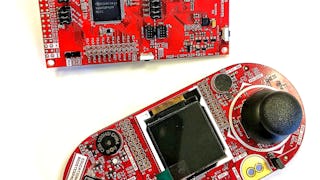
Skills you'll gain: Software Configuration Management, Embedded Software, Embedded Systems, Configuration Management, Git (Version Control System), Version Control, Memory Management, Build Tools, Software Development Tools, C (Programming Language), Development Environment, Program Development, Code Review, Software Technical Review, Software Design, Debugging, Make.com
 Status: Free Trial
Skills you'll gain: Shell Script, Unix Shell, File Management, User Accounts, Operating System Administration, Unix, Package and Software Management, Systems Administration, File Systems, TCP/IP, Data Maintenance, User Provisioning, Midrange Computer, Unix Commands, System Monitoring, Scripting, Disaster Recovery, System Software, System Configuration, Data Centers
 Status: Free Trial
Skills you'll gain: File Systems, Operating Systems, OS Process Management, Memory Management, C (Programming Language), File Management, Virtualization, Computer Programming Tools, Data Integrity, Debugging, File I/O, System Software, Virtualization and Virtual Machines, System Programming, Systems Design, Data Storage Technologies, Performance Tuning, Distributed Computing, Data Storage, C and C++
What brings you to Coursera today?
 Status: NewStatus: Free Trial
Coursera
Skills you'll gain: Embedded Software, Real-Time Operating Systems, Embedded Systems, Software Architecture, Code Reusability, Pseudocode, Microarchitecture, Memory Management, Systems Architecture, Computer Hardware, System Programming, Computer Architecture, Software Design, Cross Platform Development, Software Systems, Hardware Architecture, Systems Design, Software Design Patterns, Internet Of Things, Hardware Troubleshooting
 Status: Free Trial
28DIGITAL
Skills you'll gain: Real-Time Operating Systems, Embedded Systems, Embedded Software, System Programming, Systems Design, System Software, C (Programming Language), System Design and Implementation, OS Process Management, System Requirements, Dependency Analysis, Computer Architecture, Systems Analysis, Verification And Validation, Algorithms
 Status: NewStatus: Preview
Skills you'll gain: Real-Time Operating Systems, Embedded Software, Internet Of Things, Embedded Systems, Serial Peripheral Interface, System Programming, Emerging Technologies, Communication Systems, Application Programming Interface (API), Operating Systems, Peripheral Devices, Digital Communications, Artificial Intelligence
 Status: Free Trial
Skills you'll gain: Peripheral Devices, Virtualization, Computer Hardware, System Configuration, Virtualization and Virtual Machines, Operating System Administration, Computer Systems, Virtual Machines, Operating Systems, Hardware Troubleshooting, Linux, Software Installation, Technical Support, Mac OS, Computer Architecture, File Systems, Network Infrastructure, Data Storage, User Accounts, Disaster Recovery
 Status: NewStatus: Free Trial
Skills you'll gain: Apache Kafka, Data Transformation, Real Time Data, Fraud detection, Data Pipelines, Apache Spark, Power BI, PySpark, Performance Tuning, Grafana, Disaster Recovery, Data Architecture, Prometheus (Software), Data Integrity, Scalability, Data Processing, Data Governance, Event-Driven Programming, System Monitoring, Docker (Software)
 Status: New
Skills you'll gain: Full-Stack Web Development, Node.JS, Frontend Integration, Cloud Deployment, Application Deployment, JavaScript Frameworks, Web Applications, Web Development, Angular, Cloud Applications, Memory Management, MongoDB, Authentications, Real Time Data, Frontend Performance, Database Development, Development Environment, API Design
In summary, here are 10 of our most popular real-time operating systems courses
- Real-Time Embedded Systems: University of Colorado Boulder
- Embedded Systems on Arm: Get Started with the micro:bit: Arm
- Embedded Software Development with C: EDUCBA
- Introduction to Embedded Systems Software and Development Environments: University of Colorado Boulder
- Mastering Operating Systems with IBM AIX: IBM
- Introduction to Operating Systems: Codio
- Embedded Firmware Engineering: Coursera
- Development of Real-Time Systems: 28DIGITAL
- Embedded Systems on Arm: Get Practical with Hardware: Arm
- Introduction to Hardware and Operating Systems: IBM










