3D Graphics Courses
3D graphics courses can help you learn modeling, texturing, lighting, and rendering techniques. You can build skills in animation, visual effects, and game design, enhancing your ability to create immersive environments. Many courses introduce tools like Blender, Autodesk Maya, and Unity, that support bringing your creative visions to life and applying your skills in various projects.
Popular 3D Graphics Courses and Certifications

Skills you'll gain: Computer Graphics, Event-Driven Programming, 3D Assets, Visualization (Computer Graphics), Application Development, Application Design, Debugging, Computer Graphic Techniques, Graphics Software, Application Deployment, Program Development, Video Game Development, C and C++, Maintainability, Development Environment, C++ (Programming Language), Application Lifecycle Management, Microsoft Windows, Image Quality, Context Management
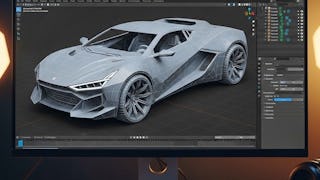
Skills you'll gain: 3D Assets, 3D Modeling, Unreal Engine, Video Game Development, Animation and Game Design, Visualization (Computer Graphics), Computer Graphics, Design Software, Editing, Data Import/Export, Graphics Software, User Interface (UI), Model Optimization, Software Installation

Skills you'll gain: User Interface (UI), Computer Graphics, Visualization (Computer Graphics), Application Design, C# (Programming Language), Computer Graphic Techniques, Event-Driven Programming, .NET Framework, UI Components, Software Visualization, Graphical Tools, Data-oriented programming, Animations, Code Reusability, Animation and Game Design, Computer Displays, Application Development
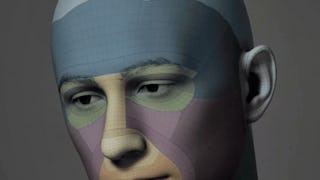
Skillshare
Skills you'll gain: Unreal Engine, Animations, 3D Assets, Animation and Game Design, Virtual Environment, Game Design, 3D Modeling, Video Game Development, Computer Graphics, Timelines, Visual Storytelling, Prototyping, Design Strategies, Data Import/Export, Layout Design, User Interface (UI), Interactive Design, Application Deployment, Creative Design, Software Installation
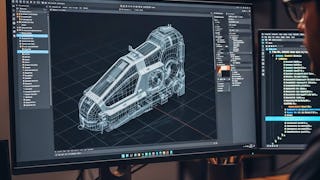
Skills you'll gain: Computer Graphics, 3D Assets, Visualization (Computer Graphics), Computer Graphic Techniques, Graphics Software, Video Game Development, Linear Algebra

Skills you'll gain: Unreal Engine, 3D Modeling, Model Optimization, 3D Assets, Computer Graphics, Computer Graphic Techniques, Visualization (Computer Graphics), Virtual Environment, Animation and Game Design, Animations, Videography, Virtual Reality, Graphical Tools, Graphics Software, Data Import/Export, System Configuration
What brings you to Coursera today?

Skills you'll gain: 3D Modeling, Autodesk, 3D Assets, Design Software, Visualization (Computer Graphics), Computer Graphics, Computer Graphic Techniques, Layout Design, Functional Design, Graphical Tools, Image Quality, Simulations, Fine-tuning

Skills you'll gain: SketchUp (3D Modeling Software), 3D Modeling, Spatial Data Analysis, Architectural Drawing, Geospatial Mapping, Architectural Design, Spatial Analysis, 3D Assets, AutoCAD, Visualization (Computer Graphics), Data Mapping, Design Software, Layout Design, Computer Graphic Techniques, Graphic and Visual Design, Technical Communication, Computer Graphics, Code Reusability, Color Theory, Microsoft Office

Skills you'll gain: 3D Modeling, 3D Assets, Computer Graphic Techniques, Visualization (Computer Graphics), Computer Graphics, Graphical Tools, Video Game Development, Animation and Game Design, UI Components, Model Optimization, File Management, Virtual Environment, Animations, Game Design, Data Import/Export, User Interface (UI), Image Quality, Performance Tuning

Skills you'll gain: SketchUp (3D Modeling Software), 3D Modeling, Visualization (Computer Graphics), 3D Assets, Conceptual Design, AutoCAD, Design Thinking, Animations, Computer Graphic Techniques, Layout Design, Software Visualization, Editing, Model Evaluation, Software Installation, Design Software, Model Optimization, Spatial Analysis, User Interface (UI)

Skills you'll gain: Computer Graphics, Software Architecture, Development Environment, Software Design, Maintainability, Software Visualization, Systems Architecture, Software Design Patterns, Code Reusability, Graphics Software, Visualization (Computer Graphics), Systems Design, Cross Platform Development, Computer Graphic Techniques, Image Quality, System Design and Implementation, Dataflow, Memory Management, Performance Tuning, Scalability

Skills you'll gain: Unreal Engine, 3D Assets, 3D Modeling, Computer Graphics, Virtual Environment, Computer Graphic Techniques, Animation and Game Design, User Interface (UI), Model Optimization, Video Game Development, Image Quality, Performance Tuning, Data Import/Export, Fine-tuning, Game Design, Graphic and Visual Design, Simulations
In summary, here are 10 of our most popular 3d graphics courses
- Microsoft DirectX 3D Graphics Development: EDUCBA
- Blender 3D Modeling & Rendering for Games & Animation: EDUCBA
- C# Computer Graphics and Visual Effects Development: EDUCBA
- Design a 3D Video Game in Unreal Engine: Skillshare
- 3D Graphics with DirectX: Apply & Integrate: EDUCBA
- Blender to Unreal Engine - 3D Plants and Vegetation: Packt
- 3ds Max Architectural Rendering Masterclass: EDUCBA
- Create & Evaluate Advanced SketchUp 3D Models: EDUCBA
- Blender to Unreal Engine - Become a Dungeon Prop Artist: Packt
- Apply & Master 3D Architectural Modeling Workflows: EDUCBA










