• For Individuals
  • For Businesses
  • For Universities
  • For Governments
Degrees
Log In
Join for Free
  • Browse
  • Fpga

FPGA Courses

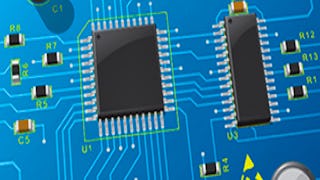
FPGA courses can help you learn digital logic design, hardware description languages, and circuit simulation techniques. You can build skills in implementing complex algorithms, optimizing performance, and debugging hardware systems. Many courses introduce tools like VHDL, Verilog, and various FPGA development environments, that support designing and testing your projects. You'll explore key topics such as signal processing, embedded systems, and hardware acceleration, equipping you with practical knowledge for real-world applications.


Popular FPGA Courses and Certifications


  • Status: Free Trial
    Free Trial
    U

    University of Colorado Boulder

    FPGA Design for Embedded Systems

    Skills you'll gain: Field-Programmable Gate Array (FPGA), Hardware Design, Verification And Validation, Electronic Systems, Embedded Systems, Electronics Engineering, Application Specific Integrated Circuits, Electronic Hardware, Electronics, Systems Design, Software Design, Program Development, Integrated Development Environments, System Design and Implementation, Computer Architecture, Eclipse (Software), Computational Logic, Hardware Architecture, Software Development, Computer Engineering

    Build toward a degree

    4.5
    Rating, 4.5 out of 5 stars
    ·
    1.7K reviews

    Intermediate · Specialization · 3 - 6 Months

  • Status: Free Trial
    Free Trial
    U

    University of Colorado Boulder

    Introduction to FPGA Design for Embedded Systems

    Skills you'll gain: Field-Programmable Gate Array (FPGA), Hardware Design, Electronic Systems, Embedded Systems, Electronics Engineering, Application Specific Integrated Circuits, Electronics, Schematic Diagrams, Technical Design, Hardware Architecture, Design Software, Verification And Validation, Simulation and Simulation Software, Digital Design

    4.6
    Rating, 4.6 out of 5 stars
    ·
    1.2K reviews

    Intermediate · Course · 1 - 4 Weeks

  • Status: Free Trial
    Free Trial
    U

    University of Colorado Boulder

    Hardware Description Languages for FPGA Design

    Skills you'll gain: Verification And Validation, Systems Design, Software Design, Computational Logic, Computer Engineering, Embedded Systems, Hardware Architecture, Simulations, Test Automation

    4.4
    Rating, 4.4 out of 5 stars
    ·
    622 reviews

    Intermediate · Course · 1 - 4 Weeks

  • P

    Politecnico di Milano

    FPGA computing systems: Background knowledge and introductory materials

    Skills you'll gain: Field-Programmable Gate Array (FPGA), Hardware Design, Application Specific Integrated Circuits, Technical Design, Systems Design, Computer Architecture, Hardware Architecture, Electronic Hardware, Distributed Computing, System Configuration, Cloud Computing Architecture, Computer-Aided Design

    4.6
    Rating, 4.6 out of 5 stars
    ·
    247 reviews

    Beginner · Course · 1 - 3 Months

  • Status: Free Trial
    Free Trial
    L

    L&T EduTech

    Chip based VLSI design for Industrial Applications

    Skills you'll gain: Field-Programmable Gate Array (FPGA), Electronic Systems, Hardware Design, Application Specific Integrated Circuits, Electronics Engineering, Serial Peripheral Interface, Computational Logic, Electrical Engineering, Computer Architecture, Schematic Diagrams, Semiconductors, Electronic Hardware, Electronic Components, Internet Of Things, Embedded Systems, Electronics, Theoretical Computer Science, Diagram Design, Programmable Logic Controllers, Computer Engineering

    4.5
    Rating, 4.5 out of 5 stars
    ·
    165 reviews

    Intermediate · Specialization · 3 - 6 Months

  • Status: Free
    Free
    P

    Princeton University

    Computer Architecture

    Skills you'll gain: Microarchitecture, Computer Architecture, Hardware Architecture, Computer Systems, Computer Engineering, Distributed Computing, Operating Systems, Performance Tuning, Scalability

    4.7
    Rating, 4.7 out of 5 stars
    ·
    3.8K reviews

    Advanced · Course · 3 - 6 Months

What brings you to Coursera today?

  • Status: Free Trial
    Free Trial
    J

    Johns Hopkins University

    GPU Programming

    Skills you'll gain: Artificial Neural Networks, Image Analysis, Event-Driven Programming, Scalability, Deep Learning, C and C++, Performance Tuning, Convolutional Neural Networks, Data-oriented programming, C++ (Programming Language), Digital Signal Processing, Linear Algebra, Distributed Computing, Computer Graphics, System Programming, Numerical Analysis, Programming Principles, Computer Architecture, Program Development, Machine Learning

    Build toward a degree

    2.8
    Rating, 2.8 out of 5 stars
    ·
    187 reviews

    Intermediate · Specialization · 3 - 6 Months

  • Next level skills. New Year savings.

    Save on Coursera Plus
  • Status: Free Trial
    Free Trial
    U

    University of Colorado Boulder

    FPGA Softcore Processors and IP Acquisition

    Skills you'll gain: Integrated Development Environments, Computer Architecture, Hardware Architecture, Software Development, Embedded Systems, Debugging, Verification And Validation, System Design and Implementation, Simulations, System Configuration

    3.9
    Rating, 3.9 out of 5 stars
    ·
    97 reviews

    Intermediate · Course · 1 - 4 Weeks

  • Status: Free Trial
    Free Trial
    A

    Arm

    Arm Cortex-M Architecture and Software Development

    Skills you'll gain: Embedded Software, Performance Tuning, System Programming, Software Development Tools, Embedded Systems, Software Development, Hardware Architecture, Debugging, Application Security, Microarchitecture, Computer Architecture, C (Programming Language), Digital Signal Processing, System Configuration, Application Development, Security Engineering, C++ (Programming Language), System Requirements, Authentications, Data Sharing

    4.6
    Rating, 4.6 out of 5 stars
    ·
    200 reviews

    Intermediate · Specialization · 3 - 6 Months

  • Status: Free Trial
    Free Trial
    L

    L&T EduTech

    FPGA Architecture Based System for Industrial Application

    Skills you'll gain: Field-Programmable Gate Array (FPGA), Hardware Design, Serial Peripheral Interface, Electronic Hardware, Internet Of Things, Embedded Systems, Control Systems, Digital Communications, Computer Architecture, Software Development Tools, System Design and Implementation, Software Installation, Verification And Validation, Real Time Data

    4.3
    Rating, 4.3 out of 5 stars
    ·
    18 reviews

    Intermediate · Course · 1 - 4 Weeks

  • Status: Free Trial
    Free Trial
    L

    L&T EduTech

    Fundamentals of Digital Design for VLSI Chip Design

    Skills you'll gain: Field-Programmable Gate Array (FPGA), Application Specific Integrated Circuits, Computational Logic, Computer Architecture, Hardware Design, Electronics Engineering, Electronics, Theoretical Computer Science, Programmable Logic Controllers, Electronic Systems, Semiconductors, Data Storage, Data Storage Technologies

    4.5
    Rating, 4.5 out of 5 stars
    ·
    123 reviews

    Intermediate · Course · 1 - 4 Weeks

  • Status: Free Trial
    Free Trial
    U

    University of Colorado Boulder

    FPGA Capstone: Building FPGA Projects

    Skills you'll gain: Field-Programmable Gate Array (FPGA), Hardware Design, Electronic Hardware, Program Development, Electronic Systems, System Design and Implementation, Eclipse (Software), Embedded Software, Embedded Systems, Development Environment, Software Development, Integrated Development Environments, Software Development Tools, Engineering Documentation, Build Tools, Laboratory Experience, Laboratory Reports, Laboratory Testing

    4.3
    Rating, 4.3 out of 5 stars
    ·
    24 reviews

    Intermediate · Course · 1 - 4 Weeks

What brings you to Coursera today?

Loading search results

Searches related to fpga

fpga design for embedded systems
fpga computing systems: partial dynamic reconfiguration
fpga capstone: building fpga projects
fpga softcore processors and ip acquisition
fpga computing systems: a bird’s eye view
fpga architecture based system for industrial application
hardware description languages for fpga design
introduction to fpga design for embedded systems
1234…10

In summary, here are 10 of our most popular fpga courses

  • FPGA Design for Embedded Systems: University of Colorado Boulder
  • Introduction to FPGA Design for Embedded Systems: University of Colorado Boulder
  • Hardware Description Languages for FPGA Design: University of Colorado Boulder
  • FPGA computing systems: Background knowledge and introductory materials: Politecnico di Milano
  • Chip based VLSI design for Industrial Applications: L&T EduTech
  • Computer Architecture: Princeton University
  • GPU Programming: Johns Hopkins University
  • FPGA Softcore Processors and IP Acquisition: University of Colorado Boulder
  • Arm Cortex-M Architecture and Software Development: Arm
  • FPGA Architecture Based System for Industrial Application : L&T EduTech

Frequently Asked Questions about Fpga

FPGA, or Field-Programmable Gate Array, is an integrated circuit that can be configured by the user after manufacturing. This flexibility allows engineers to design custom hardware solutions tailored to specific applications, making FPGAs crucial in various fields such as telecommunications, automotive, and consumer electronics. Their importance lies in their ability to accelerate processing tasks, implement complex algorithms, and adapt to changing requirements, which is increasingly vital in today's fast-paced technological landscape.‎

A variety of job opportunities exist in the FPGA domain. Positions range from FPGA design engineers and hardware engineers to embedded systems developers and verification engineers. Industries such as telecommunications, aerospace, and automotive are actively seeking professionals skilled in FPGA technology. Additionally, roles in research and development, as well as positions focused on cloud computing and data centers, are becoming more prevalent as the demand for high-performance computing solutions grows.‎

To pursue a career in FPGA, you should develop a solid foundation in digital logic design, hardware description languages (HDLs) like VHDL or Verilog, and an understanding of FPGA architecture. Familiarity with design tools such as Xilinx Vivado or Intel Quartus is also beneficial. Additionally, skills in embedded systems, signal processing, and system-on-chip (SoC) design can enhance your expertise and employability in this field.‎

Several online courses can help you learn about FPGA technology. Notable options include the FPGA Design for Embedded Systems Specialization and the FPGA computing systems: A Bird's Eye View. These courses cover essential concepts and practical applications, providing a comprehensive understanding of FPGA design and implementation.‎

Yes. You can start learning FPGA on Coursera for free in two ways:

  1. Preview the first module of many FPGA courses at no cost. This includes video lessons, readings, graded assignments, and Coursera Coach (where available).
  2. Start a 7-day free trial for Specializations or Coursera Plus. This gives you full access to all course content across eligible programs within the timeframe of your trial.

If you want to keep learning, earn a certificate in FPGA, or unlock full course access after the preview or trial, you can upgrade or apply for financial aid.‎

To learn FPGA, start by enrolling in introductory courses that cover the basics of FPGA architecture and design. Engage with hands-on projects to apply your knowledge practically. Utilize online resources, tutorials, and forums to deepen your understanding. Consistent practice and experimentation with FPGA development tools will also enhance your skills and confidence in this area.‎

Typical topics covered in FPGA courses include digital logic design, hardware description languages (HDLs), FPGA architecture, and design methodologies. Courses often explore practical applications, such as implementing algorithms, developing embedded systems, and optimizing performance. Advanced topics may include partial dynamic reconfiguration and FPGA-accelerated cloud applications, providing a well-rounded education in FPGA technology.‎

For training and upskilling employees in FPGA technology, courses like the FPGA Capstone: Building FPGA Projects and the Introduction to FPGA Design for Embedded Systems are excellent choices. These courses provide practical experience and knowledge that can be directly applied to workplace projects, enhancing team capabilities in FPGA design and implementation.‎

This FAQ content has been made available for informational purposes only. Learners are advised to conduct additional research to ensure that courses and other credentials pursued meet their personal, professional, and financial goals.

Other topics to explore

Arts and Humanities
338 courses
Business
1095 courses
Computer Science
668 courses
Data Science
425 courses
Information Technology
145 courses
Health
471 courses
Math and Logic
70 courses
Personal Development
137 courses
Physical Science and Engineering
413 courses
Social Sciences
401 courses
Language Learning
150 courses

Coursera Footer

Skills

  • Artificial Intelligence (AI)
  • Cybersecurity
  • Data Analytics
  • Digital Marketing
  • English Speaking
  • Generative AI (GenAI)
  • Microsoft Excel
  • Microsoft Power BI
  • Project Management
  • Python

Certificates & Programs

  • Google Cybersecurity Certificate
  • Google Data Analytics Certificate
  • Google IT Support Certificate
  • Google Project Management Certificate
  • Google UX Design Certificate
  • IBM Data Analyst Certificate
  • IBM Data Science Certificate
  • Machine Learning Certificate
  • Microsoft Power BI Data Analyst Certificate
  • UI / UX Design Certificate

Industries & Careers

  • Business
  • Computer Science
  • Data Science
  • Education & Teaching
  • Engineering
  • Finance
  • Healthcare
  • Human Resources (HR)
  • Information Technology (IT)
  • Marketing

Career Resources

  • Career Aptitude Test
  • Examples of Strengths and Weaknesses for Job Interviews
  • High-Income Skills to Learn
  • How Does Cryptocurrency Work?
  • How to Highlight Duplicates in Google Sheets
  • How to Learn Artificial Intelligence
  • Popular Cybersecurity Certifications
  • Preparing for the PMP Certification
  • Signs You Will Get the Job After an Interview
  • What Is Artificial Intelligence?

Coursera

  • About
  • What We Offer
  • Leadership
  • Careers
  • Catalog
  • Coursera Plus
  • Professional Certificates
  • MasterTrack® Certificates
  • Degrees
  • For Enterprise
  • For Government
  • For Campus
  • Become a Partner
  • Social Impact
  • Free Courses
  • Share your Coursera learning story

Community

  • Learners
  • Partners
  • Beta Testers
  • Blog
  • The Coursera Podcast
  • Tech Blog

More

  • Press
  • Investors
  • Terms
  • Privacy
  • Help
  • Accessibility
  • Contact
  • Articles
  • Directory
  • Affiliates
  • Modern Slavery Statement
  • Do Not Sell/Share
Learn Anywhere
Download on the App Store
Get it on Google Play
Logo of Certified B Corporation
© 2026 Coursera Inc. All rights reserved.
  • Coursera Facebook
  • Coursera Linkedin
  • Coursera Twitter
  • Coursera YouTube
  • Coursera Instagram
  • Coursera TikTok