

The Nervous System: Neuroanatomy and Neurophysiology
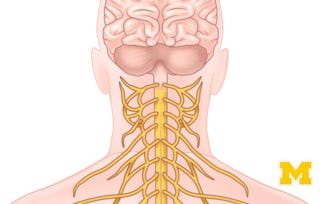
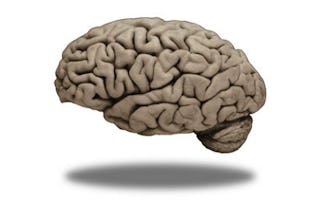
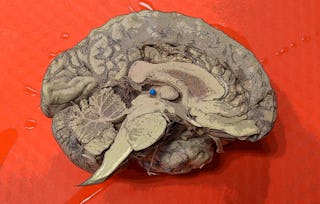
This course works through the major structures of the brain, brainstem, and spinal cord, then turns to the sensory and autonomic systems, including visual, auditory, vestibular, and chemical sensory transduction. Particular attention goes to clinical localization. The course traces the corticospinal tracts, the dorsal column-medial lemniscal pathway, and the anterolateral system in detail, along with the twelve cranial nerves, so a deficit can be reasoned back to the site of the lesion. Neurotransmission, glial function, and the physiology of the action potential are covered as the mechanistic basis for all of this. Clinical correlations run throughout, including Parkinson's and Huntington's disease, medullary and pontine syndromes, Brown-Séquard syndrome, and hydrocephalus, grounding the anatomy in cases encountered in clinical training.