Astrophysics Courses
Astrophysics courses can help you learn about celestial mechanics, the behavior of light, and the evolution of stars and galaxies. You can build skills in data analysis, mathematical modeling, and observational techniques to interpret astronomical phenomena. Many courses introduce tools like telescopes and software for simulating cosmic events, allowing you to apply your knowledge in practical scenarios such as analyzing light curves or mapping cosmic structures.
Popular Astrophysics Courses and Certifications
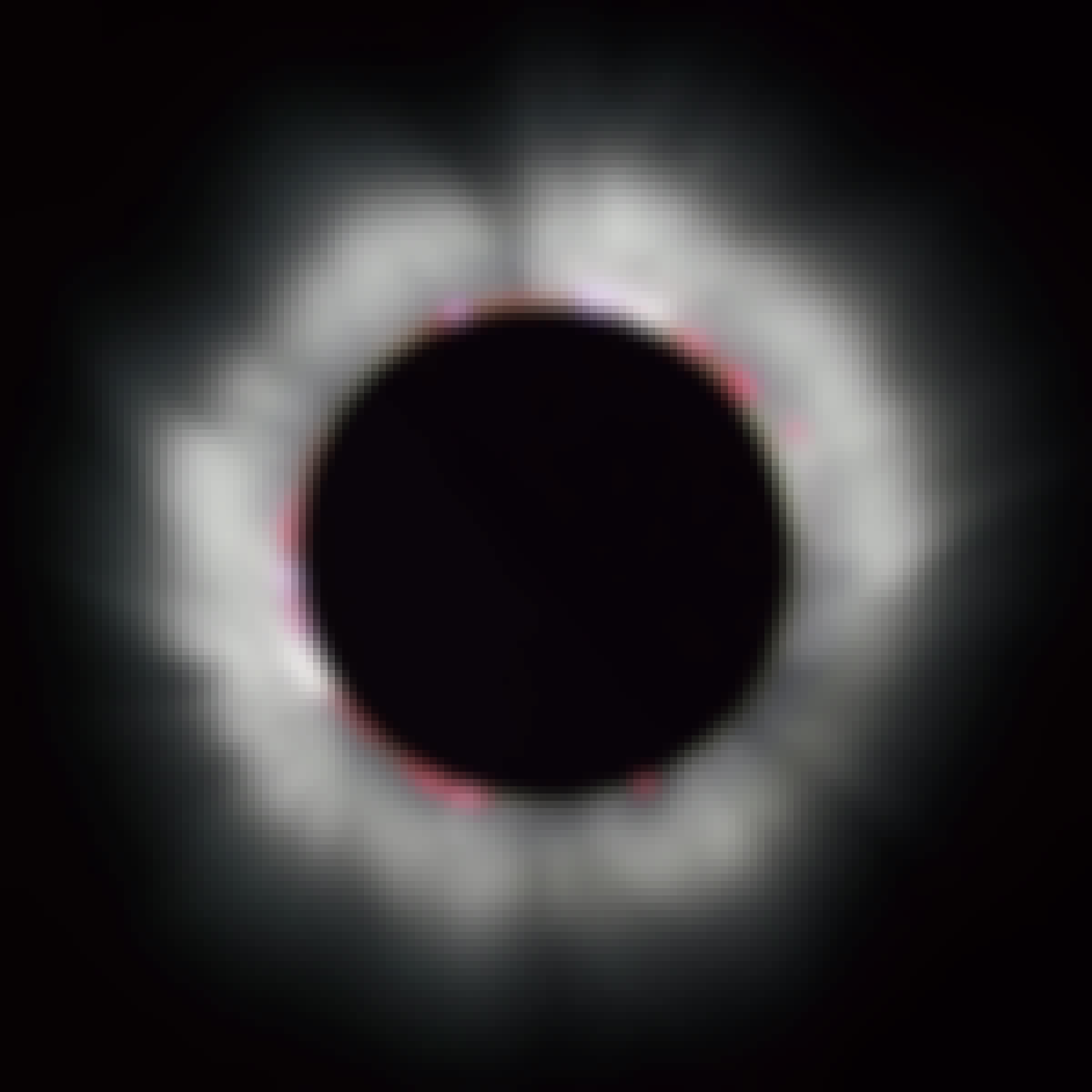
University of Colorado Boulder
Skills you'll gain: Physics, Physical Science, General Science and Research, Scientific Methods, Environment, Scientific Visualization, Safety Assurance, electromagnetics, Science and Research, Research, Personal protective equipment, Energy and Utilities

University of Colorado Boulder
Skills you'll gain: Journalism, Music, Culture, Media and Communications, Liberal Arts, Art History, Storytelling, Creativity, Music History, Visual Storytelling, World History, Scientific Visualization, Science and Research, Writing

University of Colorado Boulder
Skills you'll gain: Systems Engineering, Concept Of Operations, Engineering Design Process, Systems Integration, Human Factors, System Testing, Robotics, Structural Engineering, Thermal Management, Physical Science, Electric Power Systems, Environmental Monitoring
University of Illinois Urbana-Champaign
Skills you'll gain: Data Literacy, Data Storytelling, Scientific Visualization, Visualization (Computer Graphics), Data Presentation, Data Visualization, Cinematography, Data Visualization Software, Spatial Data Analysis, Computer Graphics, Graphics Software, 3D Modeling, Post-Production, Color Theory
In summary, here are 4 of our most popular Astrophysics courses
- The Sun and the Total Eclipse of August 2017: University of Colorado Boulder
- Space is Everywhere: University of Colorado Boulder
- Getting There and Going Beyond: University of Colorado Boulder
- 3D Data Visualization for Science Communication: University of Illinois Urbana-Champaign










