Interior Design Courses
Interior design courses can help you learn space planning, color theory, furniture arrangement, and lighting design. You can build skills in creating mood boards, selecting materials, and understanding client needs. Many courses introduce tools like AutoCAD, SketchUp, and Adobe Creative Suite, that support visualizing designs and presenting concepts effectively. You'll also explore key topics such as sustainable design practices, historical styles, and the impact of design on well-being, giving you a well-rounded understanding of the field.
Popular Interior Design Courses and Certifications

Skills you'll gain: SketchUp (3D Modeling Software), Model Optimization, AI powered creativity, Visualization (Computer Graphics), Design Software, 3D Modeling, Autodesk, Layout Design, Data Import/Export, 3D Assets, Generative AI, Design, Digital Design, Animations, Software Installation
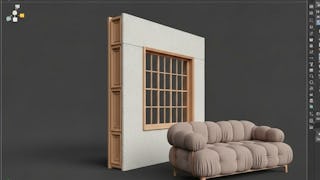
Skills you'll gain: 3D Modeling, Project Design, Visualization (Computer Graphics), Architectural Drawing, Building Design, Architectural Design, Editing, Geometry, Design

Skills you'll gain: Adobe Express, Typography, Logo Design, Responsible AI, Digital Design, Layout Design, Creative Design, Visual Design, Graphic Design, AI powered creativity, Adobe Firefly, User Interface and User Experience (UI/UX) Design, Color Theory, Content Creation, Artificial Intelligence, Generative AI Agents, Ideation
IE Business School
Skills you'll gain: Creative Thinking, Creative Problem-Solving, Creativity, Brainstorming, Architectural Design, Storytelling, Design Elements And Principles, Curiosity, Empathy, Design, Design Strategies, Critical Thinking and Problem Solving, Teamwork, Creative Design, Collaboration
What brings you to Coursera today?

Skills you'll gain: AutoCAD, Technical Drawing, Architectural Drawing, Engineering Documentation, Engineering Drawings, Electrical Equipment, Architectural Design, Electrical Power, Computer-Aided Design, Building Design, Drafting and Engineering Design, Blueprint Reading, AutoCAD Civil 3D, Safety Standards, Engineering Calculations, Facility Management, Technical Documentation, Data Entry, Estimation, Coordination

Parsons School of Design, The New School
Skills you'll gain: Building Design, Sustainable Design, Public Health, Innovation

Skills you'll gain: Canva (Software), Design, Digital Design, Design Elements And Principles, Product Design, Graphic Design, Intellectual Property, Marketing

The Museum of Modern Art
Skills you'll gain: Cultural Diversity, Liberal Arts, Creativity, Storytelling, Culture, Social Justice, Environmental Issue, Non-Verbal Communication, Social Impact

California Institute of the Arts
Skills you'll gain: Graphic and Visual Design, Typography, Graphic Design, Graphic and Visual Design Software, Visual Design, Design, Color Theory, Design Elements And Principles, Ideation, Creative Design, Logo Design, Visual Storytelling, Conceptual Design, Design Reviews, Style Guides, Layout Design, Digital Design, Art History, Adobe InDesign, Branding

Skills you'll gain: SketchUp (3D Modeling Software), AutoCAD, Data Import/Export, 3D Modeling, Design Software, Model Optimization, Design, Digital Design



Coursera
Skills you'll gain: Canva (Software), Layout Design, Graphic and Visual Design, Design Elements And Principles, Graphic and Visual Design Software, Typography, Design, Graphic Design, Design Software
Best Interior Design courses from Coursera
Top-rated Interior Design courses offered by Coursera on Coursera.
- Blueprint to Brilliance Through Interior DesignCourseraBeginnerCoursera
- Create and Design Digital Products using CanvaCourseraAdvancedLess Than 2 HoursCoursera
- Canva Design FundamentalsCourseraBeginner1 - 4 WeeksCoursera
Best Interior Design certificate programs
Earn a certificate in Interior Design from top universities and companies.
- The SketchUp Handbook for Interior DesignPacktBeginner3 - 6 MonthsSpecialization
- AutoCAD Commercial Interior & Corporate Layout DesignEDUCBABeginner1 - 3 MonthsSpecialization
- Modern and Contemporary Art and DesignThe Museum of Modern ArtBeginner3 - 6 MonthsSpecialization
Best Interior Design courses for beginners
Top-rated beginner-friendly Interior Design courses with no prerequisites.
- Design Fundamentals with AIAdobeBeginner1 - 4 WeeksNo prerequisites
- Making ArchitectureIE Business SchoolBeginner1 - 4 WeeksNo prerequisites
- Graphic DesignCalifornia Institute of the ArtsBeginner3 - 6 MonthsNo prerequisites