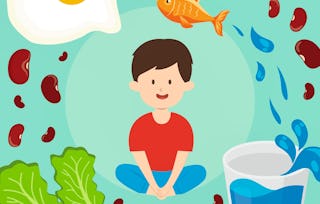
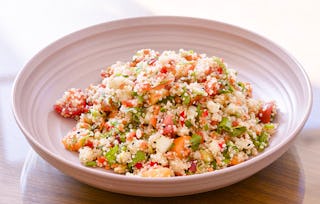
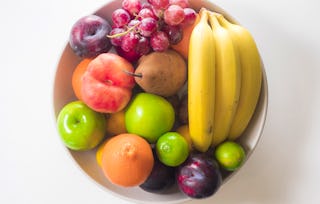
Eating patterns that begin in childhood affect health and well-being across the lifespan. The culture of eating has changed significantly in recent decades, especially in parts of the world where processed foods dominate our dietary intake. This course examines contemporary child nutrition and the impact of the individual decisions made by each family. The health risks associated with obesity in childhood are also discussed. Participants will learn what constitutes a healthy diet for children and adults and how to prepare simple, delicious foods aimed at inspiring a lifelong celebration of easy home-cooked meals. This course will help prepare participants to be the leading health providers, teachers and parents of the present and future.The text and other material in this course may include the opinion of the specific instructor and are not statements of advice, endorsement, opinion, or information of Stanford University.
A childhood obesity epidemic is facing the USA and many developed nations. Why are so many foods processed, and what can we do to protect our families? We also explore the six basic ingredients every cook should have on hand!
What's included
10 videos1 reading3 assignments
Show info about module content
10 videos•Total 51 minutes
Introduction To Child Nutrition•3 minutes
Food is more than just nutrition •7 minutes
Why home cooking matters•3 minutes
Why are there so many processed foods?•4 minutes
USDA nutrition guidelines•8 minutes
The Six Ingredients Every Kitchen Needs•4 minutes
Stocking a Kitchen Pantry•5 minutes
Egg-in-a-hole•5 minutes
Smoothie•3 minutes
Vegetable Stir-Fry•8 minutes
1 reading•Total 10 minutes
Recommended Readings•10 minutes
3 assignments•Total 90 minutes
Why Home Cooking Matters•30 minutes
Elements of a Healthy Kitchen•30 minutes
Why Home Cooking Matters•30 minutes
What Constitutes a Balanced Meal?
Module 2•2 hours to complete
Module details
Everything you need to know about what makes up a balanced meal, including fats, carbohydrates, and proteins. Learn tricks for controlling portion sizes while maintaining satisfaction.
What's included
10 videos3 assignments
Show info about module content
10 videos•Total 45 minutes
How to create a balanced meal•5 minutes
Carbohydrates •6 minutes
Fats•6 minutes
Proteins•4 minutes
Sugar - Too much of a good thing?•3 minutes
Hunger and the "Glycemic Index" •3 minutes
How to eat in moderation•4 minutes
Oatmeal•2 minutes
Homemade Pasta Sauce •7 minutes
Almond Cake •4 minutes
3 assignments•Total 90 minutes
The Elements of a Balanced Meal•30 minutes
Sugar, Hunger and the Glycemic Index•30 minutes
What Constitutes a Balanced Meal?•30 minutes
From Supermarket to Dinner Table to School
Module 3•2 hours to complete
Module details
Tricks for navigating the supermarket and shop for vegetables. Why the family meal is about more than just food; how to pack a quick, healthy lunch for a child and why this is so important; how to shop for fruits and vegetables (and teach children to love them); making over our children's favorite foods, and more healthy treats.
What's included
8 videos3 assignments
Show info about module content
8 videos•Total 30 minutes
Navigating a supermarket•4 minutes
Shopping for vegetables•3 minutes
What are the most nutritious foods? •4 minutes
Packing a lunchbox•3 minutes
The family meal•4 minutes
Dealing with picky eaters•4 minutes
Chicken Nuggets•6 minutes
Cupcakes•4 minutes
3 assignments•Total 90 minutes
Navigating the supermarket•30 minutes
The Dinner Table•30 minutes
From Supermarket to Dinner Table to School•30 minutes
Sustainable Eating
Module 4•2 hours to complete
Module details
How to make choices that are good for you and the planet. Understand the difference between local, organic, and sustainable. Also, gardening as a way of getting children excited about fresh foods.
What's included
9 videos3 assignments
Show info about module content
9 videos•Total 40 minutes
Sustainable Eating•7 minutes
What does "organic" mean?•3 minutes
What does "locally grown" mean? •3 minutes
Healthy People = Healthy Planet•5 minutes
Growing a kitchen garden with Rita Bottini•6 minutes
Growing a kitchen garden•2 minutes
Fish •4 minutes
Soups•8 minutes
Steam vegetables •3 minutes
3 assignments•Total 90 minutes
What is Sustainable Eating?•30 minutes
Growing a Kitchen Garden•30 minutes
Sustainable Eating•30 minutes
Labels, Allergies and Taste
Module 5•2 hours to complete
Module details
What have we learned about achieving good eating habits based on enjoyment of the right foods? More tips on working with food allergies, reading nutrition labels, and understanding the elements of taste. Cooking this week: the simple stew, a basic homemade salad dressing plus a Sunday morning treat that will make the whole family smile.
What's included
9 videos3 assignments
Show info about module content
9 videos•Total 45 minutes
The 8 foods that cause most food allergies •4 minutes
Understanding taste•9 minutes
Reading nutrition labels •6 minutes
Protecting Children's Health•5 minutes
Food's environmental impact•3 minutes
Stew •8 minutes
Salad Dressing•4 minutes
Crepes•3 minutes
Roast vegetables•3 minutes
3 assignments•Total 90 minutes
Allergies and Taste Preferences•30 minutes
Health and Nutrition•30 minutes
Labels, Allergies and Taste•30 minutes
Instructor
Instructor ratings
Instructor ratings
We asked all learners to give feedback on our instructors based on the quality of their teaching style.
The Leland Stanford Junior University, commonly referred to as Stanford University or Stanford, is an American private research university located in Stanford, California on an 8,180-acre (3,310 ha) campus near Palo Alto, California, United States.
"To be able to take courses at my own pace and rhythm has been an amazing experience. I can learn whenever it fits my schedule and mood."
Jennifer J.
Learner since 2020
"I directly applied the concepts and skills I learned from my courses to an exciting new project at work."
Larry W.
Learner since 2021
"When I need courses on topics that my university doesn't offer, Coursera is one of the best places to go."
Chaitanya A.
"Learning isn't just about being better at your job: it's so much more than that. Coursera allows me to learn without limits."
Learner reviews
4.8
10,462 reviews
5 stars
82.11%
4 stars
14.31%
3 stars
2.44%
2 stars
0.51%
1 star
0.60%
Showing 3 of 10462
D
DC
5·
Reviewed on Sep 9, 2015
This was a really good course. The information was useful and down to earth and the Tutor was friendly with her presentation. I recommend this course to lots of people, friends and colleagues.
K
KC
5·
Reviewed on Feb 14, 2021
This class was wonderful for coming up with healthy ways to feed my picky children! The professor was also easy to listen to and provided a great lesson plan. I would highly recommend this class
C
C
5·
Reviewed on Sep 2, 2021
This was very informative and well presented. Very easy to understand and retain the information. Online system is very user friendly. Thank you and wish I was able to pay for the certificates.
When will I have access to the lectures and assignments?
To access the course materials, assignments and to earn a Certificate, you will need to purchase the Certificate experience when you enroll in a course. You can try a Free Trial instead, or apply for Financial Aid. The course may offer 'Full Course, No Certificate' instead. This option lets you see all course materials, submit required assessments, and get a final grade. This also means that you will not be able to purchase a Certificate experience.
What will I get if I purchase the Certificate?
When you purchase a Certificate you get access to all course materials, including graded assignments. Upon completing the course, your electronic Certificate will be added to your Accomplishments page - from there, you can print your Certificate or add it to your LinkedIn profile.
Is financial aid available?
Yes. In select learning programs, you can apply for financial aid or a scholarship if you can’t afford the enrollment fee. If fin aid or scholarship is available for your learning program selection, you’ll find a link to apply on the description page.