Human Physiology Courses
Human physiology courses can help you learn about the human body's systems, including the muscular, circulatory, and nervous systems, as well as how these systems interact. You can build skills in analyzing physiological data, understanding homeostasis, and applying concepts to health and wellness scenarios. Many courses introduce tools like physiological measurement devices and software for data analysis, that support conducting experiments and interpreting results in both clinical and research settings.
Popular Human Physiology Courses and Certifications

Duke University
Skills you'll gain: Sensory Systems Analysis, Neurology, Physiology, Anatomy, Life Sciences, Electrophysiology, Cell Biology, Psychology, Pathology, Molecular Biology

University of Minnesota
Skills you'll gain: Patient-centered Care, Mental and Behavioral Health, Life Sciences, Clinical Pharmacy, Biochemistry, Pathology, Molecular Biology
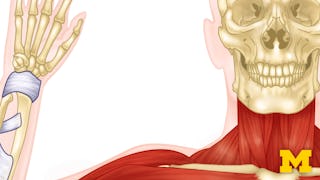
University of Michigan
Skills you'll gain: Human Musculoskeletal System, Anatomy, Orthopedics, Kinesiology, Physiology, Biology
Northwestern University
Skills you'll gain: Gynecology, Obstetrics And Gynecology, Anatomy, Family Planning, Endocrinology, Oncology, Urology, Physiology, Public Health and Disease Prevention, Biology, Cell Biology

American Psychological Association
Skills you'll gain: Mental Health Diseases and Disorders, Trauma Care, Mental Health, Mental Health Therapies, Psychology, Psychotherapy, Rehabilitation, Mental and Behavioral Health, Cultural Sensitivity, Patient Evaluation

Johns Hopkins University
Skills you'll gain: Organizational Change, Change Management, Performance Review, Human Resource Policies, Talent Recruitment, Recruitment, Smart Goals, Employee Performance Management, Culture Transformation, Performance Appraisal, Employee Engagement, Diversity and Inclusion, Health Care Procedure and Regulation, Organizational Leadership, Performance Management, Recruitment Strategies, Interviewing Skills, Drive Engagement, Diversity Equity and Inclusion Initiatives, Human Resource Management

University of California, Santa Cruz
Skills you'll gain: Healthcare Ethics, Pharmacology, Mental Health Diseases and Disorders, Health Care, General Medicine, Health Systems, Medical Science and Research, Pharmaceuticals, Culture, Behavioral Health, Ancient History, Medical Practices and Procedures, World History, Infectious Diseases
Skills you'll gain: Medical Terminology, Endocrinology, Neurology, General Medical Tests and Procedures, Pathology, Medical Practices and Procedures, Medical Records, Sensory Systems Analysis, Health Information Management and Medical Records, Anatomy, General Medicine, Physiology

Rice University
Skills you'll gain: Medical Terminology, Human Musculoskeletal System, Orthopedics, Medical History Documentation, Medical Records, Electronic Medical Record System, Urology, Health Information Management and Medical Records, Anatomy, Diagnostic Tests, General Medicine, Physiology

Yale University
Skills you'll gain: Anatomy, Neurology, Human Musculoskeletal System, Physiology, Radiology

Skills you'll gain: Electocardiography, Hemodynamics, Cardiac Dysrhythmia, Cardiology, Patient Observation, Life Support, Clinical Practices, Cardiopulmonary Resuscitation (CPR), Medical Emergency, Electrophysiology, Anatomy, Blood Pressure, Physiology, Nursing
University of Colorado System
Skills you'll gain: Patient Evaluation, Pharmacology, Airway Management, Cardiology, Medication Administration, Medical Emergency, Emergency Medical Services, Emergency Medicine, Respiratory Care, Neurology, Clinical Assessment, Health Assessment, Mental Status Examination, Respiration, Patient Treatment, Anatomy, Physiology
In summary, here are 10 of our most popular human physiology courses
- Medical Neuroscience: Duke University
- The Neurotransmitters of the Mind – Part 1: University of Minnesota
- Anatomy: Musculoskeletal and Integumentary Systems: University of Michigan
- Introduction to Reproduction: Northwestern University
- Disorders Related To Trauma: American Psychological Association
- Human Resources Management Essentials: Johns Hopkins University
- The History of Medicine: Philosophy, Science, and Psychology: University of California, Santa Cruz
- The Human Body's Communication Systems: MedCerts
- Medical Terminology I: Rice University
- Anatomy of the Head and Spine : Yale University










