SPSS Courses
SPSS courses can help you learn statistical analysis, data management, hypothesis testing, and regression techniques. You can build skills in interpreting complex datasets, conducting surveys, and performing predictive analytics. Many courses introduce tools like SPSS software, which allows you to apply statistical methods to real data, enhancing your ability to make informed decisions based on quantitative insights.
Popular SPSS Courses and Certifications
 Status: NewStatus: Free Trial
Skills you'll gain: Data Transformation, SPSS (Software), SPSS, Statistical Visualization, Statistical Analysis, Data Manipulation, Data Wrangling, Data Visualization Software, Statistical Methods, Data Processing, Data Analysis, Statistical Software, Data Import/Export, Descriptive Statistics, Data Analysis Software
 Status: Preview
Skills you'll gain: SPSS, Correlation Analysis, SPSS (Software), Logistic Regression, Regression Analysis, Predictive Modeling, Predictive Analytics, Statistics, Descriptive Statistics, Statistical Software, Statistical Methods, Statistical Modeling, Advanced Analytics, Case Studies, Statistical Analysis, Probability & Statistics, Data Import/Export, Data Manipulation, Descriptive Analytics, Analysis
 Status: NewStatus: Free Trial
Skills you'll gain: Dashboard Creation, Dashboard, SPSS (Software), SPSS, Descriptive Analytics, Data Transformation, Data Visualization, Advanced Analytics, Data Wrangling, Logistic Regression, Statistical Hypothesis Testing, Statistical Machine Learning, Data Manipulation, Regression Analysis, Analytics, Data Presentation, Correlation Analysis, Data Literacy, Data Preprocessing, Data Analysis
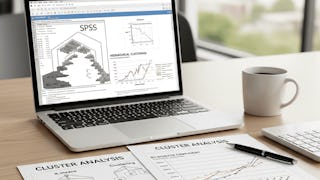 Status: Preview
Skills you'll gain: Unsupervised Learning, SPSS (Software), SPSS, Statistical Machine Learning, Applied Machine Learning, Machine Learning, Machine Learning Methods, Statistical Software, Data Preprocessing, Machine Learning Algorithms, Statistical Analysis, Model Evaluation, Data Mining, Data Cleansing, Data Analysis, Statistical Methods, Data Visualization
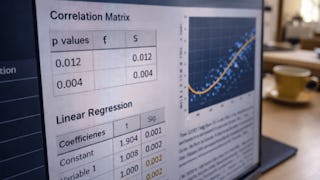 Status: NewStatus: Free Trial
Skills you'll gain: SPSS (Software), SPSS, Statistical Hypothesis Testing, Correlation Analysis, Data Visualization, Descriptive Statistics, Advanced Analytics, Statistical Visualization, Data Analysis, Regression Analysis, Descriptive Analytics, Statistical Analysis, Statistical Reporting, Statistical Software, Data-Driven Decision-Making, Exploratory Data Analysis, Data Analysis Software, Statistical Methods, Statistical Inference, Probability & Statistics
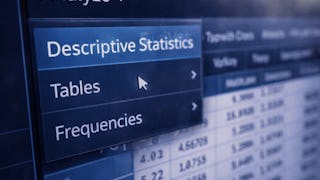 Status: NewStatus: Free Trial
Skills you'll gain: Data Visualization, SPSS (Software), Data Presentation, Data Literacy, Statistical Visualization, Statistical Analysis, SPSS, Data Transformation, Data Manipulation, Data Processing, Data Wrangling, Data Analysis, Graphing, Statistical Software, Data Import/Export, File Management
What brings you to Coursera today?
 Status: Preview
Skills you'll gain: Regression Analysis, Predictive Modeling, Financial Forecasting, Statistical Modeling, Forecasting, SPSS, Predictive Analytics, Data-Driven Decision-Making, Statistical Analysis, Analytics, Statistical Software, Scatter Plots, SPSS (Software), Statistical Methods, Credit Risk, Statistics, Microsoft Excel, Model Evaluation, Retail Sales
 Status: Preview
Peking University
Skills you'll gain: Statistical Hypothesis Testing, SPSS (Software), SPSS, Descriptive Statistics, Statistical Software, Statistical Analysis, Statistical Methods, Data Analysis Software, Correlation Analysis, Data Literacy, Regression Analysis, Statistical Inference, Probability & Statistics, Statistics, Quantitative Research, Sampling (Statistics), Biostatistics, Medical Science and Research, Analysis
 Status: NewStatus: Free Trial
Skills you'll gain: Descriptive Analytics, SPSS, Logistic Regression, SPSS (Software), Regression Analysis, Analytics, Advanced Analytics, Correlation Analysis, Data Analysis, Statistical Reporting, Descriptive Statistics, Statistical Modeling, Exploratory Data Analysis, Data Storytelling, Statistical Analysis, Predictive Modeling, Data Presentation, Predictive Analytics, Statistical Visualization, Scatter Plots
 Status: NewStatus: Free Trial
Skills you'll gain: Dashboard Creation, Dashboard, Data Transformation, Advanced Analytics, Data Wrangling, Statistical Machine Learning, Data Manipulation, SPSS (Software), Analytics, Data Presentation, Data Preprocessing, Data Analysis, Business Analytics, Statistical Analysis, Statistical Modeling, Predictive Analytics, Data Storytelling, SPSS, Dataflow, Process Design
 Status: Free Trial
Yonsei University
Skills you'll gain: Apache Spark, Big Data, SPSS (Software), SPSS, Analytics, Business Technologies, Real Time Data, Apache Hadoop, Data Processing, Statistical Analysis, Data Analysis Software, Business Planning, Data Storage Technologies, Business Strategy, Market Data, Business Strategies, Market Intelligence, Market Share, Market Dynamics, Distributed Computing
 Status: NewStatus: Free Trial
Skills you'll gain: SPSS, SPSS (Software), Market Data, Regression Analysis, Analytics, Data Analysis, Statistical Reporting, Predictive Analytics, Technical Communication, Statistical Analysis, Data-Driven Decision-Making, Statistical Methods, Statistical Modeling, Scatter Plots, Statistical Visualization, Model Evaluation
In summary, here are 10 of our most popular SPSS courses
- Apply SPSS Fundamentals for Data Analysis: EDUCBA
- Predictive Analytics with SPSS: Analyze & Apply: EDUCBA
- Apply Advanced SPSS Data Analytics & Modeling: EDUCBA
- SPSS: Apply & Evaluate Cluster Analysis Techniques: EDUCBA
- Analyze Advanced Data Projects Using SPSS: EDUCBA
- Master SPSS GUI Navigation and Data Analysis Skills: EDUCBA
- Linear Regression & Predictive Modeling with SPSS: EDUCBA
- 医学统计学与SPSS软件(基础篇): Peking University
- Apply Advanced Statistical Modeling Using SPSS: EDUCBA
- Apply Data Analytics Using SPSS Modeler Workflows: EDUCBA










