Fluid Power Courses
Fluid power courses can help you learn hydraulic and pneumatic system design, circuit analysis, and troubleshooting techniques. You can build skills in fluid dynamics, system integration, and performance optimization. Many courses introduce tools like simulation software and diagnostic equipment, that support analyzing system efficiency and ensuring reliability in various applications.
Popular Fluid Power Courses and Certifications
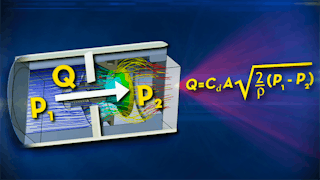
University of Minnesota
Skills you'll gain: Hydraulics, Pump Stations, Mechanical Engineering, Schematic Diagrams, Simulation and Simulation Software, Engineering, Simulations, Mechanical Design, Engineering Analysis, Control Systems, Engineering Calculations, Mathematical Modeling
Skills you'll gain: Microsoft Copilot, Microsoft Power Platform, Prompt Engineering, Microsoft Power Automate/Flow, Power BI, Microsoft 365, Multimedia, Microsoft PowerPoint, Dashboard, Microsoft Word, Microsoft Excel, Spreadsheet Software, Power Platform Architecture & Technical Design, No-Code Development, Data Visualization, Collaborative Software, Microsoft Office, Data Integration, Presentations, Data Analysis
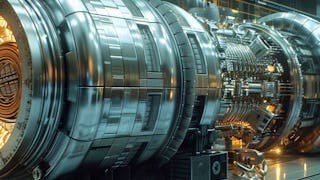
Skills you'll gain: Mechanical Engineering, Control Systems, Thermal Management, Electric Power Systems, Plant Operations and Management, Machine Controls, Hydraulics, Energy and Utilities, Process Control, Equipment Design, Mechanical Design, Engineering Calculations, Automation Engineering, Engineering Analysis, Chemical Engineering, Reliability, Failure Analysis, System Monitoring, Root Cause Analysis

Skills you'll gain: Microsoft Power Platform, Microsoft Copilot, Power Platform Architecture & Technical Design, AI Enablement, OpenAI API, Generative AI Agents, OpenAI, ChatGPT, Microsoft Azure, Artificial Intelligence, Generative AI, Registration, Prompt Engineering, AI Integrations, AI Workflows, Image Analysis, Power BI, Automation, Computer Vision, Data Analysis
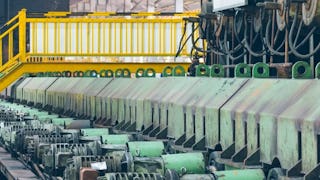
Skills you'll gain: Plant Operations and Management, Water Quality, Pump Stations, Energy and Utilities, Thermal Management, Mechanical Engineering, Chemical Engineering, Process Control, Process Engineering, Water Resource Management, Analytical Chemistry, Environmental Engineering, Water Resources, Equipment Design, Reliability

What brings you to Coursera today?

Logical Operations
Skills you'll gain: Power BI, Data Analysis Expressions (DAX), Dashboard Creation, Business Reporting, Data Transformation, Business Intelligence, Data Visualization Software, Business Intelligence Software, Dashboard, Data Analysis, Microsoft Excel, Data Visualization, Data Cleansing, Data Modeling, Data Analysis Software, Microsoft PowerPoint, Microsoft 365, Microsoft Office, Collaboration, Data Import/Export

Skills you'll gain: Electrical Power, Electric Power Systems, Electrical Systems, Control Systems, Electrical Substation, Electrical Equipment, Energy and Utilities, Electrical Safety, Plant Operations and Management, High Voltage, Machine Controls, Applied Mathematics, Power Electronics, Automation Engineering, Basic Electrical Systems, Electrical Engineering, Process Control, Mathematical Modeling, Matlab, Three-Phase

Skills you'll gain: Microsoft Power Platform, Microsoft Power Automate/Flow, Power BI, Dashboard, Power Platform Architecture & Technical Design, No-Code Development, Data Visualization, Data Integration, Business Intelligence, Process Design, Product Automation, Microsoft Development Tools, Business Intelligence Software, Business Process Automation, Productivity Software, Application Development, Process Modeling, Performance Analysis, Application Design, Automation

Skills you'll gain: Microsoft Power Platform, Microsoft Power Automate/Flow, Power BI, Dashboard, Power Platform Architecture & Technical Design, No-Code Development, Data Visualization, Data Integration, Interactive Data Visualization, Business Intelligence, Process Design, Workflow Management, Dashboard Creation, Business Process Automation, Productivity Software, Application Development, Process Modeling, Performance Analysis, Generative AI Agents, Application Design

L&T EduTech
Skills you'll gain: Environmental Social And Corporate Governance (ESG), Sustainable Architecture, Sustainable Development, Sustainable Technologies, Electrical Power, Energy and Utilities, Sustainability Reporting, Climate Change Programs, Environmental Issue, Climate Change Mitigation, Electric Power Systems, Corporate Sustainability, Sustainable Business, Electrical Systems, Simulation and Simulation Software, Innovation, Environment, Transportation Operations, Architecture and Construction, Electrical Substation

Skills you'll gain: Microsoft Power Platform, Power Platform Architecture & Technical Design, Productivity Software, No-Code Development, Data Integration, Data Store, Data Access, Database Management Systems, Application Development, Case Studies, Business Solutions, Value Propositions, Security Controls
Skills you'll gain: Microsoft Power Platform, Microsoft Power Automate/Flow, No-Code Development, Process Design, Business Process Automation, Application Development, Process Modeling, Application Design, Automation, Business Process, Data Integration, Data Modeling, Identity and Access Management
What brings you to Coursera today?
In summary, here are 10 of our most popular fluid power courses
- Fundamentals of Fluid Power: University of Minnesota
- Master Microsoft Office 365 and Power Platform: Microsoft
- Steam Turbine Thermodynamics, Design and Control Systems: L&T EduTech
- Power Platform and the AI Revolution: Packt
- BOP Systems: Material Handling, Water, and Compressed Air: L&T EduTech
- Microsoft Power BI: Data Analysis Professional: Logical Operations
- Power System: Generation, Transmission and Protection: L&T EduTech
- Microsoft Power Platform Fundamentals PL-900 Exam Prep: Microsoft
- Unlock Powerful Automation and Analysis with Power Platform: Microsoft
- Renewable Energy & Power Evacuation: L&T EduTech










