Medicine Courses
Medicine courses can help you learn anatomy, pharmacology, clinical practices, and patient care techniques. You can build skills in diagnostic reasoning, treatment planning, and effective communication with patients and healthcare teams. Many courses introduce tools like electronic health records (EHR), medical imaging software, and telemedicine platforms, showing how these technologies enhance patient management and streamline healthcare delivery.
Popular Medicine Courses and Certifications
University of Michigan
Skills you'll gain: Anatomy, Cardiology, Neurology, Pulmonology, Medical Terminology, Biology
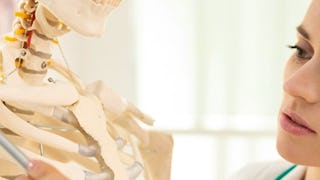
Skills you'll gain: Medical Terminology, Anatomy, Pathology, Medical Records, Physiology, Cell Biology, Health Information Management and Medical Records, Diagnostic Tests, Nutrition and Diet
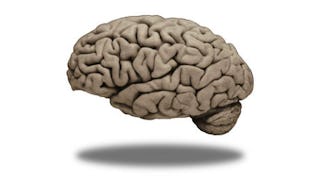
Duke University
Skills you'll gain: Sensory Systems Analysis, Neurology, Physiology, Anatomy, Life Sciences, Electrophysiology, Cell Biology, Psychology, Pathology, Molecular Biology, Substance Abuse
DeepLearning.AI
Skills you'll gain: Model Evaluation, Deep Learning, Statistical Analysis, Clinical Trials, Feature Engineering, Data Preprocessing, Classification And Regression Tree (CART), Risk Modeling, Statistical Methods, Treatment Planning, Data Analysis, Diagnostic Tests, Precision Medicine, Convolutional Neural Networks, Decision Tree Learning, Predictive Modeling, Image Analysis, Applied Machine Learning, Diagnostic Radiology, Machine Learning
MedCerts
Skills you'll gain: Pulmonology, Medical Terminology, Cardiology, Respiratory Care, Respiration, General Medical Tests and Procedures, Hemodynamics, Medical Records, Cardiac Dysrhythmia, Immunology, Pathology, Hematology, Anatomy, Diagnostic Tests, Laboratory Testing, Health Information Management and Medical Records, Physiology

What brings you to Coursera today?
Duke University
Skills you'll gain: Occupational Medicine, Physiology, Medical Science and Research, Biomedical Engineering, Emergency Medicine, Hemodynamics, Oxygen Therapy, Preventative Care, Radiation Protection, Human Factors, Health Care, Respiration, Environment, Physics, Engineering Design Process, Psychosocial Assessments, Biology, Engineering
Moderna
Skills you'll gain: Molecular Biology, Pharmacology, Molecular, Cellular, and Microbiology, Pharmacotherapy, Biotechnology, Biochemistry, Life Sciences, Immunology, Precision Medicine, Pharmaceuticals, Cell Biology, Emerging Technologies, Medical Science and Research, Drug Development, Infectious Diseases, Oncology

Skills you'll gain: Endocrinology, Electocardiography, Neurology, Sensory Systems Analysis, Physiology, Hemodynamics, Electrophysiology, Arterial Blood Gas Analysis, Blood Pressure, Cardiac Dysrhythmia, Pulmonology, Respiration, Cardiology, Anatomy, Vital Signs, Control Systems, Nephrology, Thermal Management, Cell Biology, Medical Terminology

National Academy of Sports Medicine
Skills you'll gain: Nutrition Education, Patient Education And Counseling, Basic Life Support (BLS) Certification, Neurology, Automated External Defibrillator, Cardiopulmonary Resuscitation (CPR), Overcoming Obstacles, Mechanics, Injury Prevention, Public Health, Anatomy, Health Promotion, Exercise Therapy, Meal Planning And Preparation, Medical Terminology, Motivational Skills, Needs Assessment, Chronic Diseases, Adaptability, Communication

Niel Asher Education
Skills you'll gain: Contraindication, Manual Therapy, Patient Preparation, Pain Management, Patient Treatment, Exercise Therapy, Physical Therapy, Patient Evaluation, Preventative Care, Health And Safety Standards, Intravenous Therapy, Clinical Practices, Health And Wellness Coaching, Respiratory Therapy, Occupational Therapy, Health Care, Mental Health Therapies, Maternal Health, Mental Health, Physical Science

University of Minnesota
Skills you'll gain: Drug Interaction, Meditation & Breathwork, Contraindication, Patient Education And Counseling, Mindfulness, Patient Referral, Pharmacology, Treatment Planning, Pain Management, Manual Therapy, Patient Safety, Health Assessment, Patient Education and Support, Health Systems, Clinical Practices, Nursing Practices, Patient Evaluation, Pharmacotherapy, Nurse Education, Patient-centered Care

University of Pennsylvania
Skills you'll gain: Dental Care, Oral and Dental Care, Dentistry, Patient Evaluation, Dental Procedures, Oral Health, Periodontology, Dental Informatics, Oral Cancer Screening, Cardiology, Developmental Disabilities, Disabilities, Pain Management, General Medicine, Biomedical Technology, Biomedical Engineering, Endocrinology, Oral Hygiene, Medical History Documentation, Oncology
What brings you to Coursera today?
Best free Medicine courses
High-quality free Medicine courses you can start today.
- Medical NeuroscienceDuke UniversityAdvanced3 - 6 MonthsFree
- Space MedicineDuke UniversityBeginner1 - 3 MonthsFree
- mRNAs as MedicinesModernaBeginner1 - 4 WeeksFree
Best Medicine courses from MedCerts
Top-rated Medicine courses offered by MedCerts on Coursera.
- Medical Terminology and the Human Body FundamentalsMedCertsBeginner1 - 4 WeeksMedCerts
- The Heart, Blood, and LungsMedCertsBeginner1 - 4 WeeksMedCerts
Best Medicine certificate programs
Earn a certificate in Medicine from top universities and companies.
- AnatomyUniversity of MichiganBeginner3 - 6 MonthsSpecialization
- AI for MedicineDeepLearning.AIIntermediate1 - 3 MonthsSpecialization
- Medical School Anatomy and Physiology ILecturioIntermediate3 - 6 MonthsProfessional Certificate
Best Medicine courses for beginners
Top-rated beginner-friendly Medicine courses with no prerequisites.
- NASM Personal Fitness TrainerNational Academy of Sports MedicineBeginner3 - 6 MonthsNo prerequisites
- Integrative Health and MedicineUniversity of MinnesotaBeginner3 - 6 MonthsNo prerequisites










