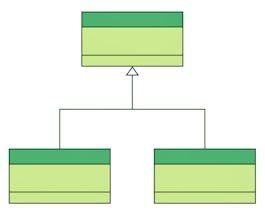
UML diagram courses can help you learn the basics of Unified Modeling Language, including class diagrams, sequence diagrams, and use case diagrams. You can build skills in visualizing system architecture, documenting software requirements, and communicating design ideas effectively. Many courses introduce tools like Lucidchart and Microsoft Visio, that support creating clear and professional diagrams that aid in software development and project management.

The Hong Kong University of Science and Technology
Skills you'll gain: Requirements Analysis, Unified Modeling Language, Object Oriented Design, Functional Requirement, Data Modeling, Object Oriented Programming (OOP), Systems Development Life Cycle, System Requirements, Functional Specification, Diagram Design, Software Development, Software Engineering, Software Systems, Verification And Validation, Software Documentation, Model Evaluation, Project Planning, Project Management
Intermediate · Course · 1 - 3 Months

University of Alberta
Skills you'll gain: Software Architecture, Model View Controller, Unified Modeling Language, Object Oriented Design, Service Oriented Architecture, API Design, Systems Architecture, Web Services, Software Design Patterns, Software Design, Simple Object Access Protocol (SOAP), Microservices, Restful API, Software Design Documents, Software Visualization, Code Review, Product Family Engineering, Object Oriented Programming (OOP), Software Development, Java
Beginner · Specialization · 3 - 6 Months

University of Alberta
Skills you'll gain: Object Oriented Design, Unified Modeling Language, Software Design, Object Oriented Programming (OOP), Java, Java Programming, Maintainability, Code Reusability, Software Design Documents, Application Design, Conceptual Design, Diagram Design, Design Elements And Principles
Intermediate · Course · 1 - 4 Weeks

The Hong Kong University of Science and Technology
Skills you'll gain: Software Design Patterns, Requirements Analysis, White-Box Testing, Software Architecture, Acceptance Testing, Software Development Methodologies, Unified Modeling Language, Software Development Life Cycle, Configuration Management, Software Quality Assurance, Debugging, Software Quality (SQA/SQC), Software Engineering, Software Testing, Object Oriented Design, Functional Requirement, Data Modeling, Systems Design, Project Management, Project Planning
Intermediate · Specialization · 3 - 6 Months
Skills you'll gain: Diagram Design, Technical Documentation, Technical Drawing, Software Design Documents, Unified Modeling Language, Technical Communication, Document Management, Style Guides, Process Modeling, Image Quality, File Management, Data Import/Export, Software Versioning, Graphic and Visual Design, Web Content Accessibility Guidelines, Verification And Validation, Version Control
Intermediate · Course · 1 - 4 Weeks
Starweaver
Skills you'll gain: Business Workflow Analysis, Process Modeling, Workflow Management, Process Improvement, Diagram Design, Data Flow Diagrams (DFDs), Process Management, Business Process Management, Business Analysis, Service Design, System Design and Implementation, Business Management, Dataflow, Stakeholder Engagement, Stakeholder Communications
Beginner · Course · 1 - 4 Weeks

Microsoft
Skills you'll gain: Timelines, Peer Review, Microsoft Visio, User Feedback, Project Schedules, Milestones (Project Management), Collaborative Software, Editing, Microsoft PowerPoint, Diagram Design, Data Visualization, Constructive Feedback, Presentations, Project Documentation, Document Management, Verification And Validation
Advanced · Course · 1 - 3 Months

Skills you'll gain: Microsoft Visio, Timelines, Dashboard, Data Visualization, Dashboard Creation, Data Visualization Software, Interactive Data Visualization, Peer Review, Data Presentation, Data Validation, Data Mapping, User Feedback, Project Schedules, Milestones (Project Management), Usability Testing, Diagram Design, Automation, Business Process Automation, Visual Basic (Programming Language), Document Management
Advanced · Professional Certificate · 3 - 6 Months

University of Colorado Boulder
Skills you'll gain: Object Oriented Design, JUnit, Object Oriented Programming (OOP), Unified Modeling Language, Software Design Patterns, Software Testing, Java, Software Engineering, Java Programming, User Interface and User Experience (UI/UX) Design, Unit Testing, Software Design, Software Architecture, API Design, Model View Controller, Software Development, Test Driven Development (TDD), Programming Principles, Conceptual Design, Databases
Intermediate · Specialization · 3 - 6 Months

Duke University
Skills you'll gain: Deductive Reasoning, Critical Thinking, Logical Reasoning, Computational Logic, Analysis, Probability, Diagram Design, Sampling (Statistics), Persuasive Communication, Verification And Validation, Probability & Statistics, Statistical Inference, Correlation Analysis, Communication, Decision Intelligence, Appeals, Business Communication
Beginner · Specialization · 3 - 6 Months

Skills you'll gain: Network Performance Management, Performance Testing, Network Architecture, Network Planning And Design, Performance Stress Testing, Technical Documentation, Unified Modeling Language, Technical Communication, Network Infrastructure, Network Routing, Diagram Design, Network Model, Network Protocols, Service Level, Process Modeling, Telecommunications, Artificial Intelligence
Advanced · Course · 1 - 4 Weeks

Skills you'll gain: Electrical Systems, Electrical Equipment, Electric Power Systems, Electrical Power, Engineering Design Process, Engineering Calculations, Electrical Wiring, Electrical Safety, Engineering Practices, Building Services Engineering, Low Voltage, Building Design, Electrical Engineering, Schematic Diagrams, Building Codes, Estimation
Beginner · Course · 1 - 4 Weeks
With skills in UML diagramming, you can pursue various roles in the tech industry. Positions such as software developer, systems analyst, and software architect often require knowledge of UML to design and document software systems. Additionally, project managers and business analysts benefit from understanding UML as it aids in communicating requirements and system functionalities. As organizations increasingly rely on structured methodologies for software development, the demand for professionals skilled in UML continues to grow.‎
There are several online courses available that can help you learn UML diagramming. One notable option is Software Engineering: Modeling Software Systems using UML, which provides a comprehensive overview of UML principles and practices. Additionally, courses that focus on related skills, such as product flow diagram creation, can also be beneficial. Exploring these courses can help you build a solid foundation in UML and its applications in software development.‎
Typical topics covered in UML diagram courses include the various types of UML diagrams, such as class diagrams, sequence diagrams, and activity diagrams. Courses often explore the purpose and application of each diagram type, teaching you how to create them effectively. Additionally, you may learn about best practices for using UML in software development, including how to integrate UML diagrams into the software development lifecycle and how to communicate design decisions with stakeholders.‎
For training and upskilling employees in UML diagramming, courses like Software Engineering: Modeling Software Systems using UML are excellent choices. These courses provide a structured approach to learning UML, making them suitable for teams looking to enhance their software design capabilities. By investing in such training, organizations can improve their project outcomes and foster a deeper understanding of system architecture among their workforce.‎