When you enroll in this course, you'll also be enrolled in this Specialization.
Learn new concepts from industry experts
Gain a foundational understanding of a subject or tool
Develop job-relevant skills with hands-on projects
Earn a shareable career certificate
There are 7 modules in this course
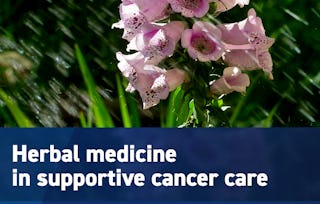
There is strong demand for alternatives to pharmaceuticals for a variety of common illnesses due to concerns of safety, efficacy, and a desire for more “natural” products. Despite this growing interest, “conventional” healthcare providers may have little to no knowledge about herbal medicines, which is further compounded by the sometimes misleading information in the media and on the internet. This course provides the necessary background for providers to begin to incorporate herbal medicines into their practice, particularly in regards to their therapeutic properties, efficacy (or lack thereof), and safety concerns, including quality control and potential adverse effects.
Continuing Education Credit
This course has been designed to meet Minnesota Board of Nursing continuing education requirements for 16 contact hours and may be eligible for CE credit from other professional boards that allow self-documenting of continuing education activities. It is your responsibility to check with your regulatory board to confirm this course meets your local requirements and, if necessary, to provide them with the certificate of completion you get if you pay for and fulfill all the requirements of this course.
This module covers essential knowledge that ensures you are starting with a clear understanding of what herbal medicine is, how it is regulated, and why botanical medicine can be challenging to research. This will set you up for success as you move forward in the course and apply it to your professional life.
What is Herbal Medicine and How is it Used?•7 minutes
Are Dietary Supplements and Natural Medicines also Botanicals?•4 minutes
How are Botanicals Different than Pharmaceuticals?•8 minutes
Case Study: Sophia, 26•6 minutes
Who’s Using Botanical Medicines?•10 minutes
Your Role as a Healthcare Provider•9 minutes
Case Study: Enrique, 58•11 minutes
Botanical Laws and Regulations in the U.S.•4 minutes
Challenges in Botanical Medicine Research•7 minutes
Evaluating and Selecting Research Sources•7 minutes
5 readings•Total 26 minutes
Comparing Pharmaceuticals and Botanicals•5 minutes
Assess, Educate, Advise Model•5 minutes
DSHEA Quick Facts•5 minutes
Checklist for Evaluating a Research Study•10 minutes
Week 1 References•1 minute
1 assignment•Total 30 minutes
Botanical Basics•30 minutes
2 discussion prompts•Total 20 minutes
Challenges with Recommending Botanicals•10 minutes
Botanical Laws and Regulations from Around the World•10 minutes
Using Botanicals Safely
Module 2•4 hours to complete
Module details
Now that you’ve gotten an overview of the field of herbal medicine, we’ll identify some important cautions to keep in mind when using botanicals, including contaminants, herb-drug interactions, product quality measures, and safety guidelines. By the end of this week you’ll be equipped with the skills you need to identify quality products and assess if a patient is a good candidate for botanicals.
How Do Botanicals Interact with Pharmaceuticals?•7 minutes
Special Patient Populations•7 minutes
Third-Party Testing of Botanicals•6 minutes
Shopping for Botanicals•7 minutes
6 readings•Total 60 minutes
A Closer Look at Contaminants and Adulterants•15 minutes
Your Role as a Healthcare Provider•10 minutes
Common Botanicals That May Cause Herb-Drug Interactions•15 minutes
Risks for Pregnant and Breastfeeding Patients•5 minutes
Third-Party Testing Organizations•10 minutes
Safety Guidelines for Purchasing Botanicals•5 minutes
4 assignments•Total 115 minutes
Herb-Drug Interactions•30 minutes
Recommending Botanicals to Special Populations•30 minutes
Third-Party Testing Organizations Web Review•25 minutes
A Day at the Clinic•30 minutes
1 discussion prompt•Total 20 minutes
What advice would you give patients when purchasing botanicals?•20 minutes
How Do Botanical Medicines Work?
Module 3•2 hours to complete
Module details
In this module we’ll be taking a deeper look at how botanical medicines work. What is an adaptogen? When should you recommend a carminative? How do you make a botanical preparation? You’ll also have the chance to discuss with your peers about the potential impact on healthcare systems if more patients knew how to make botanical preparations.
Botanical Actions for Gastrointestinal and Upper Respiratory Ailments•6 minutes
Botanical Actions that Support the Immune and Nervous Systems•6 minutes
What are Botanical Preparations?•6 minutes
Water-Based Preparations•4 minutes
Other Preparation Types•6 minutes
DIY Herbal Infusion•3 minutes
DIY Herbal Macerate•4 minutes
3 readings•Total 30 minutes
Botanical Actions Reference Sheet•15 minutes
Botanical Preparations Reference Sheet•10 minutes
Make Your Own Herbal Infusions and Macerates•5 minutes
2 assignments•Total 40 minutes
Types of Botanical Preparations•30 minutes
Botanical Actions and Preparations Workshop•10 minutes
1 discussion prompt•Total 10 minutes
Potential impact on healthcare systems•10 minutes
Botanical Medicines for Mental Wellbeing, Women's Health, and Musculoskeletal Pain
Module 4•4 hours to complete
Module details
In this module we’ll discuss botanicals that can help manage symptoms related to mental health, women’s health, and musculoskeletal pain. You’ll get some handy reference sheets that you can use for quick access to information on uses and precautions, and we’ll identify the level of evidence for each botanical in the research guides.
Assessing, Educating, and Advising Patients•1 minute
12 readings•Total 135 minutes
Botanicals for Mental Wellbeing•15 minutes
Botanicals for Mental Wellbeing Reference Sheet•15 minutes
Botanicals for Mental Wellbeing Research Guide•15 minutes
Botanicals for Women’s Health•15 minutes
Botanicals for Women’s Health Reference Sheet•15 minutes
Botanicals for Women’s Health Research Guide•15 minutes
Botanicals for Musculoskeletal Pain•10 minutes
Botanicals for Musculoskeletal Pain Reference Sheet•10 minutes
Botanicals for Musculoskeletal Pain Research Guide•10 minutes
Botanicals for Migraine Headaches•5 minutes
Botanicals for Migraine Headaches Reference Sheet•5 minutes
Botanicals for Migraine Headaches Research Guide•5 minutes
2 assignments•Total 60 minutes
Assessing, Educating, and Advising Patients•40 minutes
Latisha, Maria, and George•20 minutes
1 discussion prompt•Total 20 minutes
What are some challenges with patient-friendly language?•20 minutes
Botanical Medicines for Upper Respiratory and Skin Conditions
Module 5•2 hours to complete
Module details
In this module we’ll explore botanicals that can be used for upper respiratory and skin conditions. You will also continue to learn how to assess, educate, and advise patients on botanicals from a real-life scenario.
What's included
3 videos7 readings1 assignment
Show info about module content
3 videos•Total 10 minutes
Week 5 Introduction•3 minutes
Botanicals for Upper Respiratory Conditions•5 minutes
Botanicals for Skin Conditions•2 minutes
7 readings•Total 80 minutes
Botanicals for Upper Respiratory Conditions•15 minutes
Botanicals for Upper Respiratory Conditions Reference Sheet•15 minutes
Botanicals for Upper Respiratory Conditions Research Guide•15 minutes
What's the Difference Between Colds and Influenza?•5 minutes
Botanicals for Skin Conditions•10 minutes
Botanicals for Skin Conditions Reference Sheet•10 minutes
Botanicals for Skin Conditions Research Guide•10 minutes
1 assignment•Total 30 minutes
Heinrich and Mai•30 minutes
Skills Workshop: Final Project
Module 6•1 hour to complete
Module details
What's included
1 video1 reading1 peer review
Show info about module content
1 video•Total 3 minutes
Final Project Criteria•3 minutes
1 reading•Total 10 minutes
Final Project Criteria and Examples•10 minutes
1 peer review•Total 60 minutes
Botanicals for Symptom Management•60 minutes
Botanicals for GERD, GI and Liver Disorders, and UTIs
Module 7•2 hours to complete
Module details
In this module we will discuss botanicals that can help manage symptoms related to GERD, GI and liver disorders, and UTIs.
The University of Minnesota is among the largest public research universities in the country, offering undergraduate, graduate, and professional students a multitude of opportunities for study and research. Located at the heart of one of the nation’s most vibrant, diverse metropolitan communities, students on the campuses in Minneapolis and St. Paul benefit from extensive partnerships with world-renowned health centers, international corporations, government agencies, and arts, nonprofit, and public service organizations.
"To be able to take courses at my own pace and rhythm has been an amazing experience. I can learn whenever it fits my schedule and mood."
Jennifer J.
Learner since 2020
"I directly applied the concepts and skills I learned from my courses to an exciting new project at work."
Larry W.
Learner since 2021
"When I need courses on topics that my university doesn't offer, Coursera is one of the best places to go."
Chaitanya A.
"Learning isn't just about being better at your job: it's so much more than that. Coursera allows me to learn without limits."
Learner reviews
4.9
860 reviews
5 stars
89.30%
4 stars
9.76%
3 stars
0.69%
2 stars
0.23%
1 star
0%
Showing 3 of 860
E
EK
5·
Reviewed on Jul 21, 2021
I always wanted to learn botanicals for medical use unfortunately I didn't know how and where to start but finally, I found it!! This course is an excellent resource to start learning botanicals.
L
LD
5·
Reviewed on Jun 30, 2023
This course gives a wealth of information about herbs and their uses in herbal medicine. I have taken many online courses and this one ranks at the top for quality and usefulness.
M
MW
5·
Reviewed on Mar 31, 2019
Very good course and it suits for everyone who likes herbal medicine.The instructor and a presentation doing very well for a course.I really like it and will keep going on for my botanical approach.
What will I actually learn in this herbal medicine course?
You'll learn how to evaluate herbal medicines in a healthcare setting and talk about them in a clear, evidence-informed way. It starts with what botanicals are, how they're researched, and how they're regulated, then moves into safety, quality, preparation methods, and condition-specific use. Along the way, you'll apply that thinking to real patient cases, such as deciding when a botanical may or may not make sense.
Do I need a healthcare background before taking this course?
A formal prerequisite isn't listed, but some healthcare or patient-care familiarity will help. The course is intermediate and spends much of its time on contraindications, herb-drug interactions, and advising patients, rather than on basic clinical concepts. If you're new to herbal medicine but already comfortable with health-related terms, the pace should feel more manageable.
Is this course beginner-friendly for herbal medicine?
It can be beginner-friendly if you're new to herbal medicine but not entirely new to healthcare. Early lessons define key terms and introduce the field, but the course quickly moves into research, regulation, safety, and case-based decision making. If you want a casual first look at home remedies, this will likely feel more clinical and detailed than that.
How long does it take to complete this course?
Plan on about 18 hours in total, or roughly two weeks if you're studying around 10 hours a week. The pace is easiest to picture as a mix of short lessons, readings, quizzes, and case-based assignments spread across several modules. You'll also spend time on discussions and a final project, so the workload stays varied.
Are there hands-on exercises or projects in this course?
Yes, but the practice is case-based rather than lab-based. You'll work through quizzes, discussions, and applied assignments that ask you to assess a person's situation, weigh safety issues, and explain a recommendation in patient-friendly language, plus a final peer-reviewed project. That format helps you use each concept in a realistic clinical context instead of only reading about it.
What topics are covered in this herbal medicine course?
The course looks at herbal medicine from an evidence-informed clinical angle, including what botanicals are, how to evaluate research, and how U.S. regulation affects products on the market. It also covers safe use, with close attention to product quality, contaminants, special populations, and herb-drug interactions, before moving into botanical actions and preparation methods. Overall, you'll learn how to compare options and make more informed decisions about when botanicals may be appropriate.
What can I actually do after finishing this course?
After finishing, you should be able to assess whether a botanical is a reasonable option for a specific patient and explain that choice clearly. You'll be able to weigh evidence, product quality, possible interactions, and contraindications instead of relying on broad claims about natural treatments. For example, you should be better prepared to talk through options for concerns like reflux, menopause symptoms, or musculoskeletal pain.
Is this course more focused on theory or hands-on learning?
It's more concept-first, with guided applied work throughout. Most of the learning comes from lessons and readings on research, safety, and clinical use, then you reinforce that through case studies, quizzes, and a final project rather than open-ended lab work.
Why would I choose this course over other herbal medicine courses?
Choose this course if you want herbal medicine taught from a provider's perspective rather than as a general wellness overview. Instead of mainly listing herbs and traditional uses, it keeps returning to evidence, regulation, quality control, interactions, and patient communication, with case studies and a final project to practice those decisions. It's an especially good fit if you want a safety-minded course that helps you judge when a botanical should, and shouldn't, be recommended.