World Literature Courses
World Literature courses can help you learn about diverse literary traditions, critical analysis, and thematic exploration across cultures. You can build skills in comparative literature techniques, text interpretation, and understanding historical contexts that shape narratives. Many courses introduce tools like literary theory frameworks and digital humanities resources, which enhance your ability to analyze texts and engage with global literary conversations.
Popular World Literature Courses and Certifications

Dartmouth College
Skills you'll gain: Storytelling, Oral Expression, Writing, Liberal Arts, Editing, Ethical Standards And Conduct, Aesthetics, Social Studies, Social Justice, World History, Art History, Writing and Editing, Culture, Cultural Diversity, European History, Advocacy, Political Sciences
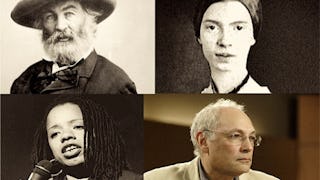
University of Pennsylvania
Skills you'll gain: Aesthetics, Liberal Arts, Cultural Responsiveness, Storytelling, Diversity Awareness, Oral Expression

Wesleyan University
Skills you'll gain: Editing, Storytelling, Writing and Editing, Creativity
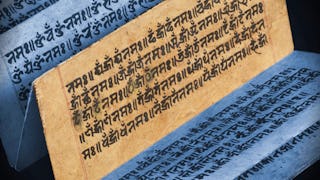
University of Geneva
Skills you'll gain: World History, Education and Training, Teaching, Pedagogy, Cultural Diversity, Culture, Intercultural Competence, European History, Liberal Arts, Storytelling, Aesthetics

University of Virginia
Skills you'll gain: Public History, Writing, Storytelling, Writing and Editing, World History, European History, Research, Cultural Diversity, Oral Expression, Community Development, Culture, Discussion Facilitation, Creativity
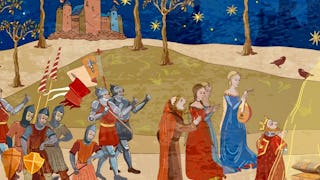
Universidad de Palermo
Skills you'll gain: Art History, Ancient History, Aesthetics, Culture, European History, Liberal Arts, Intercultural Competence, World History, Visual Storytelling
What brings you to Coursera today?

Duke University
Skills you'll gain: Research, Persuasive Communication, Writing and Editing, English Language, Visual Storytelling, Case Studies, Journalism, Editing, Style Guides

Rice University
Skills you'll gain: International Relations, Intercultural Competence, Social Studies, Cultural Diversity, World History, Political Sciences, Economics, Sociology, Socioeconomics, Social Justice

Wesleyan University
Skills you'll gain: Aesthetics, Art History, European History, Liberal Arts, Social Studies, World History, Culture, Political Sciences, Sociology

Wesleyan University
Skills you'll gain: Editing, Storytelling, Peer Review, Writing and Editing, Writing, Creativity

Skills you'll gain: Global Marketing, Strategic Planning, Product Lifecycle Management, Business Planning, Strategic Marketing, Advertising, Branding, Marketing, Marketing Communications, Marketing Planning, Market Opportunities, Product Planning, Brand Strategy, Brand Management, Target Market, Marketing Channel, Marketing Strategies, Business Ethics, Advertising Campaigns, Promotional Strategies

Skills you'll gain: Seaborn, Data Storytelling, Data Visualization, Data Presentation, Data Integration, A/B Testing, Data Import/Export, Statistical Hypothesis Testing, Text Mining, Data-Driven Decision-Making, Git (Version Control System), Matplotlib, Pandas (Python Package), Version Control, GitHub, Social Media Analytics, Statistical Analysis, Exploratory Data Analysis, Jupyter, NumPy
In summary, here are 10 of our most popular world literature courses
- American Renaissance: Classic Literature of the 19th Century: Dartmouth College
- Modern & Contemporary American Poetry (“ModPo”): University of Pennsylvania
- Creative Writing: The Craft of Plot: Wesleyan University
- Littérature mondiale: University of Geneva
- Plagues, Witches, and War: The Worlds of Historical Fiction: University of Virginia
- Arte Medieval: Universidad de Palermo
- English Composition I: Duke University
- America Through Foreign Eyes: Rice University
- The Modern and the Postmodern (Part 1): Wesleyan University
- Creative Writing: Wesleyan University










