Computational Neuroscience Courses
Computational neuroscience courses can help you learn neural modeling, data analysis techniques, and the principles of brain connectivity. You can build skills in programming with Python, statistical analysis, and using machine learning algorithms to interpret neural data. Many courses introduce tools like MATLAB and TensorFlow, that support simulating neural networks and analyzing large datasets, enabling you to apply your knowledge in both research and practical applications.
Popular Computational Neuroscience Courses and Certifications

Skills you'll gain: Debugging, Development Environment, .NET Framework, C# (Programming Language), Integrated Development Environments, Microsoft Visual Studio, Programming Principles, Computer Programming Tools, Computational Logic, Microsoft Development Tools, Data Structures
Skills you'll gain: Meeting Facilitation, Problem Solving, Root Cause Analysis, Critical Thinking, Decision Making, Brainstorming, Strategic Thinking, Team Management, Creative Thinking, Personal Development, Emotional Intelligence, Stress Management, Conflict Management, Leadership, Self-Awareness, Resilience, Productivity, Mindfulness, Active Listening, Communication

Coursera
Skills you'll gain: Data Import/Export, R (Software), Scripting, R Programming, Scripting Languages, Data Literacy, Data Structures, Programming Principles, Computational Logic
Skills you'll gain: Unreal Engine, User Interface and User Experience (UI/UX) Design, UI Components, User Interface (UI) Design, Video Game Development, Game Design, Computer Graphics, Code Reusability, No-Code Development, Virtual Environment, Scripting, Event-Driven Programming, Computational Logic, Data Structures
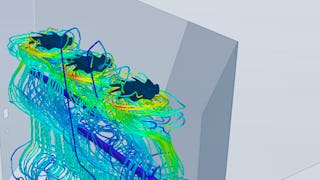
Skills you'll gain: Simulation and Simulation Software, Mechanical Engineering, Thermal Management, Hydraulics, Engineering Analysis, Simulations, Numerical Analysis, Engineering, Energy and Utilities, Mathematical Modeling, Engineering Calculations, Physics
University of California San Diego
Skills you'll gain: Pedagogy, General Networking, Blockchain, Data Ethics, Teaching, FinTech, Network Infrastructure, Emerging Technologies, Education and Training, Computer Networking, Internet Of Things, Instructional Strategies, Digital pedagogy, Instructing, K-12 pedagogy, Data Security, Computer Security Awareness Training, Social Impact, Cybersecurity, Information Privacy
O.P. Jindal Global University
Skills you'll gain: Sampling (Statistics), Psychology, Data Integration

Skills you'll gain: Applied Machine Learning, Data Science, Python Programming, Scikit Learn (Machine Learning Library), NumPy, Machine Learning Algorithms, Pandas (Python Package), Data Analysis, AI Personalization, Data Manipulation

Skills you'll gain: Computational Thinking, Programming Principles, Functional Design, Python Programming, Software Installation, Program Development, Algorithms, Computational Logic, Scripting, Code Reusability, Computer Programming, Development Environment

Skills you'll gain: Event-Driven Programming, Javascript, Object Oriented Programming (OOP), Web Development, Scripting, Cascading Style Sheets (CSS), Data Validation, Prototyping, Programming Principles, Computational Logic, Code Reusability, Development Environment

Skills you'll gain: Data Structures, Algorithms, Java Programming, Java, Computational Thinking, Computer Programming, Software Design Patterns, Applied Mathematics, Geometry, Problem Solving, Solution Design, Performance Tuning

Skills you'll gain: Object Oriented Design, File I/O, Scripting, Computational Logic, Maintainability
In summary, here are 10 of our most popular computational neuroscience courses
- C# Basics For Absolute Beginners in C# and .NET: Packt
- Enhancing Your Critical Thinking Skills: Madecraft
- Bases y primeros pasos en R: Coursera
- Unreal Engine 5 - Blueprints Game Developer Masterclass: Packt
- Angewandte numerische Fluiddynamik: Siemens
- Teaching Impacts of Technology: Global Society: University of California San Diego
- Statistical Methods for Psychological Research: O.P. Jindal Global University
- Data Science Fundamentals Part 1: Unit 1: Pearson
- Apply Python Programming Fundamentals for Beginners: EDUCBA
- JavaScript Essentials: From Basics to DOM: Packt










