Physical Therapy Courses
Physical therapy courses can help you learn anatomy, biomechanics, patient assessment, and rehabilitation techniques. You can build skills in developing treatment plans, using therapeutic modalities, and enhancing patient mobility. Many courses introduce tools such as ultrasound machines, electrical stimulation devices, and exercise equipment, that support implementing effective treatment strategies and tracking patient progress.
Popular Physical Therapy Courses and Certifications
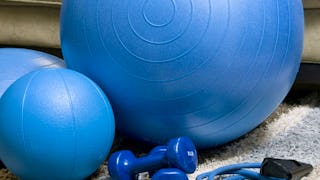
University of Toronto
Skills you'll gain: Sports Medicine, Exercise Therapy, Physical Therapy, Injury Prevention, Exercise Science, Preventative Care, Health Education, Pain Management, Health Assessment, Rehabilitation, Cardiology, Orthopedics, Oncology
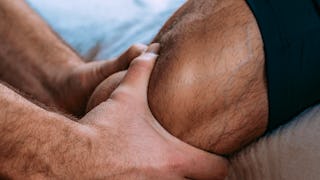
Niel Asher Education
Skills you'll gain: Patient Communication, Physical Therapy, Exercise Science, Patient Education and Support, Injury Prevention, Kinesiology, Human Musculoskeletal System, Health Care, Human Relations Movement
University of Colorado Boulder
Skills you'll gain: Kinesiology, Electrophysiology, Rehabilitation, Exercise Science, Human Musculoskeletal System, Sensory Systems Analysis, Sports Medicine, Physical Therapy, Coordination, Exercise Therapy, Neurology, Physiology, Geriatrics, Anatomy, Mechanics

Niel Asher Education
Skills you'll gain: Patient Positioning, Rehabilitation, Exercise Therapy, Patient Education And Counseling, Exercise Science, Manual Therapy, Patient Evaluation, Contraindication, Patient Education and Support, Physical Therapy, Sports Medicine, Kinesiology, Orthopedics, Human Musculoskeletal System, Anatomy, Pain Management, Health Assessment, Occupational Therapy, Intravenous Therapy, Physical Science
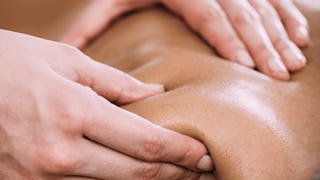
Niel Asher Education
Skills you'll gain: Manual Therapy, Patient Evaluation, Physical Therapy, Neurology, Rehabilitation, Mindfulness, Exercise Therapy, Patient Communication, Pain Management, Emotional Intelligence, Anatomy, Self-Awareness, Cognitive Behavioral Therapy, Sensory Systems Analysis, Occupational Therapy, Exercise Science, Family Therapy, Mental Health Therapies, Intravenous Therapy, Mental Health

What brings you to Coursera today?

Niel Asher Education
Skills you'll gain: Manual Therapy, Mindfulness, Emotional Intelligence, Self-Awareness, Physical Therapy, Cognitive Behavioral Therapy, Sensory Systems Analysis, Psychotherapy, Patient-centered Care, Patient Communication, Active Listening, Mental Health Therapies, Athletic Training, Coaching, Communication, Intravenous Therapy
Niel Asher Education
Skills you'll gain: Exercise Science, Rehabilitation, Patient Evaluation, Physical Therapy, Exercise Therapy, Stress Management, Treatment Planning, Pain Management, Manual Therapy, Health Promotion, Occupational Health, Health Care, Occupational Therapy, Human Relations Movement, Anatomy, Emotional Intelligence, Respiratory Therapy, Group Therapy, Mental Health Therapies, Biology
The Chinese University of Hong Kong
Skills you'll gain: Human Musculoskeletal System, Anatomy, Sports Medicine, Kinesiology, Physical Therapy, Physiology
Niel Asher Education
Skills you'll gain: Rehabilitation, Patient Evaluation, Physical Therapy, Patient Education And Counseling, Clinical Assessment, Exercise Science, Exercise Therapy, Health And Wellness Coaching, Patient Education and Support, Athletic Training, Respiration, Cognitive Behavioral Therapy, Coordinating, Meditation & Breathwork, Mental Health Therapies
Skills you'll gain: Human Musculoskeletal System, Orthopedics, Kinesiology, Medical Imaging, Anatomy, Radiography, Diagnostic Tests, Sports Medicine, Physical Therapy, Exercise Science, Physiology, Medical Terminology, Chronic Diseases
Niel Asher Education
Skills you'll gain: Exercise Science, Exercise Therapy, Rehabilitation, Physical Therapy, Patient Evaluation, Human Musculoskeletal System, Kinesiology, Sports Medicine, Pain Management, Athletic Training, Clinical Assessment, Respiration, Anatomy, Cognitive Behavioral Therapy, Mechanics, Patient Observation

University of Colorado System
Skills you'll gain: Pain Management, Patient-centered Care, Hospice, Patient Evaluation, Treatment Planning, Contraindication, Psychosocial Assessments, Pharmacotherapy, Patient Safety, Pharmacology, Medication Therapy Management, Clinical Assessment, Drug Interaction, Patient Communication, Physical Therapy, Substance Abuse, Cognitive Behavioral Therapy, Mindfulness
What brings you to Coursera today?
Best Physical Therapy courses from Niel Asher Education
Top-rated Physical Therapy courses offered by Niel Asher Education on Coursera.
- Sports Massage TherapistNiel Asher EducationIntermediate3 - 6 MonthsNiel Asher Education
- Comprehensive Shoulder RehabilitationNiel Asher EducationIntermediate3 - 6 MonthsNiel Asher Education
- Integrative Bodywork Techniques for PractitionersNiel Asher EducationIntermediate1 - 3 MonthsNiel Asher Education
Best Physical Therapy certificate programs
Earn a certificate in Physical Therapy from top universities and companies.
- The Science of MovementUniversity of Colorado BoulderIntermediate1 - 3 MonthsSpecialization
- Empowering Women's Wellness: Holistic Movement and MobilityNiel Asher EducationIntermediate3 - 6 MonthsSpecialization
Best Physical Therapy courses for beginners
Top-rated beginner-friendly Physical Therapy courses with no prerequisites.
- Managing Your Health: The Role of Physical Therapy and ExerciseUniversity of TorontoBeginner1 - 3 MonthsNo prerequisites
- Fundamental Sports related Musculoskeletal AnatomyThe Chinese University of Hong KongBeginner1 - 3 MonthsNo prerequisites
- The Framework of Movement: Understanding Bones and MusclesImmersifyBeginner1 - 4 WeeksNo prerequisites










