Free Courses
Free courses can help you learn coding languages like Python and JavaScript, data analysis techniques, and web development fundamentals. You can build skills in problem-solving, algorithm design, and creating interactive websites. Many courses introduce tools such as Git for version control, SQL for database management, and various frameworks that streamline web development, allowing you to apply your skills in practical projects.
Popular Free Courses

Coursera
Skills you'll gain: Data Science, Web Applications, Python Programming, Data Analysis, Programming Principles, Artificial Intelligence, Computer Programming, Game Design
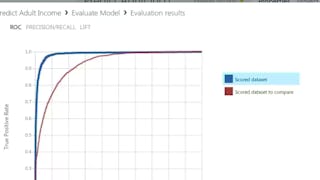
Skills you'll gain: Model Deployment, Decision Tree Learning, Applied Machine Learning, Predictive Modeling, Machine Learning Software, Microsoft Azure, No-Code Development, Machine Learning, Data Preprocessing, Predictive Analytics, Model Training, Cloud Deployment, Feature Engineering, Machine Learning Algorithms, Model Evaluation, Data Science, Data Analysis, Classification Algorithms
Maven Analytics
Skills you'll gain: Prompt Engineering, Generative AI, Google Gemini, ChatGPT, Data Analysis Expressions (DAX), Power BI, Deep Learning, Excel Formulas, Analytics, Google Sheets, AI literacy, Microsoft Excel, Artificial Intelligence, Data Analysis, Python Programming, SQL, Business Intelligence, Data Science, Debugging
University of California San Diego
Skills you'll gain: Predictive Modeling, Data Manipulation, Predictive Analytics, Big Data, Data Mining, Data Analysis, Data Science, Data-Driven Decision-Making, Unsupervised Learning, Analytics, Data Analysis Software, Model Evaluation, No-Code Development, Software Installation

Skills you'll gain: Quality Assurance, Test Data, Test Case, Root Cause Analysis, Prompt Engineering, Regression Testing, Software Quality Assurance, Test Script Development, Test Tools, Test Planning, Test Execution Engine, Prompt Engineering Tools, Generative AI Agents, Software Testing, Dashboard, Scenario Testing, Requirements Analysis, Data Analysis, Data Science, Information Technology

What brings you to Coursera today?

Birla Institute of Technology & Science, Pilani
Skills you'll gain: Theoretical Computer Science, Computer Programming, Algorithms, Computer Science, Formal Learning, Software Engineering, Program Development, Data Science, Technical Analysis

University of Colorado System
Skills you'll gain: Tidyverse (R Package), Clinical Data Management, R (Software), Health Insurance Portability And Accountability Act (HIPAA) Compliance, R Programming, Medical Privacy, Clinical Research Ethics, Google Cloud Platform, Data Ethics, Data Science, Health Informatics, Statistical Programming, Data Wrangling, Data Processing, Electronic Medical Record, Data Manipulation, SQL, Data Access, Query Languages

Johns Hopkins University
Skills you'll gain: Bioinformatics, Unix Commands, grep, Biostatistics, R (Software), Exploratory Data Analysis, Statistical Analysis, Unix Shell, Unix, Data Science, Data Management, Statistical Methods, Command-Line Interface, Statistical Hypothesis Testing, Linux Commands, Data Structures, Big Data, Molecular Biology, R Programming, Python Programming

Skills you'll gain: Rmarkdown, Plot (Graphics), Statistical Visualization, Data Presentation, Box Plots, Scatter Plots, Data Visualization, Interactive Data Visualization, Dashboard Creation, Histogram, Descriptive Statistics, Data Visualization Software, R (Software), R Programming, Integrated Development Environments, Data Science

Skills you'll gain: Data Preprocessing, Logistic Regression, Data Cleansing, Apache Spark, PySpark, Data Manipulation, Applied Machine Learning, Predictive Modeling, Data Science, Machine Learning, Python Programming

Johns Hopkins University
Skills you'll gain: R (Software), Tidyverse (R Package), Web Scraping, Data Manipulation, Data Wrangling, R Programming, Data Transformation, Memory Management, Data Cleansing, Data Science, Statistical Programming, Data Integration, Data Processing, grep, Text Mining, Data Import/Export, Web Services, Data Analysis, Data Structures

Pragmatic AI Labs
Skills you'll gain: Databricks, Data Pipelines, Data Lakes, Data Wrangling, Apache Spark, Data Access, Data Processing, Data Warehousing, Data Architecture, Data Management, Data Synthesis, Data Science, Data Mining, Data Integrity, Data Modeling, Data Presentation, Data Entry, Data Storage, SQL, Python Programming
What brings you to Coursera today?
Best Free courses from Coursera
Top-rated Free courses offered by Coursera on Coursera.
- Introduction to PythonCourseraBeginnerLess Than 2 HoursCoursera
- Machine Learning Pipelines with Azure ML StudioCourseraBeginnerLess Than 2 HoursCoursera
- Diabetes Prediction With Pyspark MLLIBCourseraIntermediateLess Than 2 HoursCoursera
Best Free courses for beginners
Top-rated beginner-friendly Free courses with no prerequisites.
- ChatGPT & Generative AI for Data AnalyticsMaven AnalyticsBeginner1 - 3 MonthsNo prerequisites
- Code Free Data ScienceUniversity of California San DiegoBeginner1 - 4 WeeksNo prerequisites
- Visualizing Data & Communicating Results in R with RStudioCodioBeginner1 - 3 MonthsNo prerequisites










