SQL Courses
SQL courses can help you learn database design, data manipulation, query optimization, and data retrieval techniques. You can build skills in writing complex queries, managing relational databases, and ensuring data integrity. Many courses introduce tools like MySQL, PostgreSQL, and Microsoft SQL Server, demonstrating how to use these platforms for data analysis and reporting. You'll also explore key topics such as joins, indexing, and transaction management, which are vital for effective data management and analysis.
Popular SQL Courses and Certifications
Coursera
Skills you'll gain: SQL, Query Languages, Database Software, Data Access, Relational Databases
Skills you'll gain: SQL, Data Presentation, Business Analysis, Data Analysis, Query Languages, Databases
Coursera
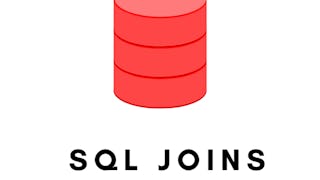
Skills you'll gain: MySQL, SQL, Relational Databases, Data Analysis, Computer Programming, Computer Science
Skills you'll gain: Stored Procedure, SQL, Data Presentation, Query Languages, Relational Databases, Database Development, Database Administration, Data Science
Coursera
Skills you'll gain: SQL, PostgreSQL

What brings you to Coursera today?

Coursera
Skills you'll gain: SQL, Data Manipulation, Relational Databases, Database Management, Database Software, Database Design, Databases, Data Integrity, Database Management Systems, Debugging, Data Management
Skills you'll gain: SQL, PostgreSQL, Data Manipulation

Duke University
Skills you'll gain: MySQL, Bash (Scripting Language), Scripting, Database Management, Relational Databases, Shell Script, Database Administration, Command-Line Interface, Operational Databases, SQL, Databases, Data Import/Export, Database Application, Data Pipelines, Data Manipulation, Python Programming, Data Processing, Linux
Skills you'll gain: SQL, Data Manipulation, Query Languages, Data Access, PostgreSQL, Data Management
Coursera
Skills you'll gain: PostgreSQL, SQL, Query Languages, Data Transformation, Data Manipulation, Database Software, Data Management
Coursera
Skills you'll gain: Statistical Reporting, Data Visualization, Big Data, SQL, Interactive Data Visualization, Query Languages, Data Import/Export, Google Cloud Platform, Data Warehousing, Data Sharing, Analytics
Skills you'll gain: SQL, PostgreSQL, Query Languages, Database Management, Database Systems, Data Manipulation
What brings you to Coursera today?
Best Sql courses from Coursera
Top-rated Sql courses offered by Coursera on Coursera.
- Understanding Basic SQL SyntaxCourseraBeginnerLess Than 2 HoursCoursera
- Data Analysis with SQL: Inform a Business DecisionCourseraBeginnerLess Than 2 HoursCoursera
- SQL JoinsCourseraBeginnerLess Than 2 HoursCoursera
Best Sql courses for beginners
Top-rated beginner-friendly Sql courses with no prerequisites.
- MySQL-for-Data-EngineeringDuke UniversityBeginnerLess Than 2 HoursNo prerequisites
- Working with BigQueryCourseraBeginnerLess Than 2 HoursNo prerequisites
Best short Sql courses
Quick Sql courses you can complete in a few hours or less.
- Advanced Relational Database and SQLCourseraAdvancedLess Than 2 HoursQuick completion
- Working with Subqueries in SQLCourseraAdvancedLess Than 2 HoursQuick completion
- Manipulating Data with SQLCourseraIntermediateLess Than 2 HoursQuick completion










