Beginner Computer Courses
Beginner computer courses can help you learn basic operating system navigation, file management, internet browsing, and word processing. You can build skills in spreadsheet creation, email communication, and online research techniques. Many courses introduce tools like Microsoft Office, Google Workspace, and various web applications, showing how these skills are applied in everyday tasks and professional settings.
Popular Beginner Computer Courses and Certifications

Microsoft
Skills you'll gain: Computer Hardware, Generative AI, Hybrid Cloud Computing, Cloud Computing, Operating Systems, Cloud Management, Patch Management, Computer Systems, Servers, Business Software, Computer Architecture, AI literacy, Data Storage, Cybersecurity
Skills you'll gain: 3D Modeling, Animations, 3D Assets, Workflow Management, Animation and Game Design, Visualization (Computer Graphics), File Management, Computer Graphic Techniques, Digital Design, Model Optimization, Data Import/Export, Simulations, Video Game Development, Visual Design, User Interface (UI), Blended Learning, Content Creation, Editing, Graphics Software
Skillshare
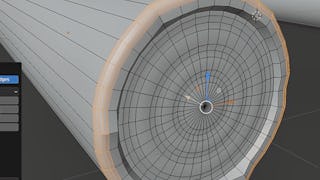
Skills you'll gain: Animations, 3D Modeling, Computer Graphics, Post-Production, 3D Assets, Visualization (Computer Graphics), Graphical Tools, Computer Graphic Techniques, File Management, Timelines, Graphics Software, Creativity, Video Production, Software Installation, System Configuration

Skills you'll gain: Mac OS, Knowledge of Apple Software, File Management, Apple iOS, Apple software proficiency, Photo Editing, Document Management, iOS Development, Calendar Management, Organizational Skills, Cloud Storage, System Configuration, Cloud-Based Integration, Cloud Services, Cloud Security, Cloud Management, User Accounts, Collaborative Software, Mobile Development, Information Privacy

Skills you'll gain: Java Programming, Java, Memory Management, Development Environment, Programming Principles, Computer Programming, Integrated Development Environments, Software Installation
What brings you to Coursera today?

Skillshare
Skills you'll gain: Animations, 3D Modeling, 3D Assets, Visualization (Computer Graphics), Timelines, Graphics Software, User Interface (UI), File Management, Software Installation
Skills you'll gain: Operating System Administration, Virtualization, Peripheral Devices, Computing Platforms, Hardware Architecture, System Support, Computer Hardware, Mac OS, System Configuration, Hardware Troubleshooting, Operating Systems, Technical Support, Linux, Computer Architecture, Disaster Recovery, File Systems, Software Installation, User Accounts, Data Storage, Network Infrastructure

Microsoft
Skills you'll gain: Debugging, Version Control, C# (Programming Language), Microsoft Copilot, Event-Driven Programming, Git (Version Control System), Object Oriented Programming (OOP), .NET Framework, Software Design Patterns, Software Architecture, Application Deployment, Object Oriented Design, Software Testing, ASP.NET, Application Development, Software Design, File I/O, User Interface (UI), Security Testing, File Management

SkillsBooster Academy
Skills you'll gain: Flask (Web Framework), Debugging, File I/O, Scripting, Python Programming, Web Applications, Data Structures, Secure Coding, Code Reusability, Programming Principles, Web Development, Application Development, Application Deployment, Back-End Web Development, Program Development, Integrated Development Environments, Code Review, Software Development, Object Oriented Programming (OOP), Software Engineering

Skills you'll gain: Unified Modeling Language, File I/O, Visual Basic (Programming Language), Database Management, System Software, Databases, Relational Databases, Algorithms, Computer Architecture, Network Security, Computer Hardware, SQL, Computer Science, Development Environment, Data Structures, Object Oriented Programming (OOP), Object Oriented Design, Program Development, Computer Programming, Microsoft Visual Studio
Skillshare
Skills you'll gain: Adobe Illustrator, Data Import/Export, Computer Graphic Techniques, Computer Graphics, Graphic Design


Skills you'll gain: File I/O, Object Oriented Programming (OOP), Debugging, JSON, Program Development, Data Structures, Code Reusability, Python Programming, Development Environment, Scripting, Maintainability, Integrated Development Environments, Package and Software Management, Authorization (Computing), Programming Principles, Computer Programming, Web Scraping, Application Programming Interface (API), Scalability, Software Development Tools
Best Beginner Computer courses from Packt
Top-rated Beginner Computer courses offered by Packt on Coursera.
- Blender for Beginners Part 1PacktBeginner3 - 6 MonthsPackt
- macOS 26 & iOS 26 for BeginnersPacktBeginner3 - 6 MonthsPackt
- Python 3 from Beginner to Expert - Learn Python from ScratchPacktBeginner3 - 6 MonthsPackt
Best Beginner Computer certificate programs
Earn a certificate in Beginner Computer from top universities and companies.
- Blender for BeginnersSkillshareBeginner3 - 6 MonthsSpecialization
- Beginners Guide to C# FundamentalsMicrosoftBeginner3 - 6 MonthsProfessional Certificate
- Introduction to Computer Programming with Visual BasicLearnQuestBeginner3 - 6 MonthsSpecialization
Best Beginner Computer courses for beginners
Top-rated beginner-friendly Beginner Computer courses with no prerequisites.
- Introduction to ComputersMicrosoftBeginner1 - 4 WeeksNo prerequisites
- Java Programming for BeginnersIBMBeginner1 - 3 MonthsNo prerequisites
- Introduction to Hardware and Operating SystemsIBMBeginner1 - 3 MonthsNo prerequisites










