Rice University
Skills you'll gain: Human Musculoskeletal System, Anatomy, Endocrinology, Orthopedics, Kinesiology, Physiology, Neurology, Medical Terminology, Cell Biology, Biology, Chemistry, Clinical Practices, Sports Medicine, Physical Therapy, Molecular, Cellular, and Microbiology, Life Sciences, Lifelong Learning
Intermediate · Specialization · 3 - 6 Months

University of Amsterdam
Skills you'll gain: Qualitative Research, Scientific Methods, Statistical Analysis, Statistical Hypothesis Testing, Research, Research Design, Sampling (Statistics), Research Reports, Science and Research, Interviewing Skills, Data Analysis, Data Collection, Research Methodologies, Social Sciences, Surveys, Quantitative Research, Statistics, Regression Analysis, Statistical Inference, R Programming
Beginner · Specialization · 3 - 6 Months

University of Manchester
Skills you'll gain: Biotechnology, Sustainable Technologies, Process Engineering, Molecular Biology, Chemical Engineering, Sustainable Engineering, Life Sciences, Biochemistry, Pharmaceuticals, Biomedical Engineering, Materials science, Scalability
Beginner · Course · 1 - 3 Months

Stanford University
Skills you'll gain: Grant Writing, Peer Review, Technical Writing, Technical Communication, Writing, Scientific Methods, Journals, Editing, Grammar, Research, Proofreading, Healthcare Ethics, Media and Communications
Beginner · Course · 1 - 3 Months

University of Michigan
Skills you'll gain: Sustainable Design, Product Lifecycle Management, Product Development, Sustainable Development, Product Improvement, Environmental Science, Environment, Simulation and Simulation Software, Case Studies, Analysis, Project Scoping, Goal Setting, Inventory Accounting, Energy and Utilities
Intermediate · Course · 1 - 3 Months
The University of Edinburgh
Skills you'll gain: Life Sciences, Biology, Environmental Science, Environment, Research, Biochemistry, Microbiology, Scientific Methods, Chemistry
Mixed · Course · 1 - 3 Months

Ludwig-Maximilians-Universität München (LMU)
Skills you'll gain: Physiology, Biology, Life Sciences, Molecular Biology, Biochemistry, Pharmacology, Chronic Diseases, Behavioral Health, Environment, Pathology
Mixed · Course · 1 - 3 Months

American Museum of Natural History
Skills you'll gain: Medical Science and Research, Healthcare Ethics, Biomedical Technology, Clinical Research, Biotechnology, Cell Biology, Life Sciences, Biology, Drug Development, Precision Medicine, Molecular Biology
Intermediate · Course · 1 - 3 Months

Yale University
Skills you'll gain: Psychology, Research, Anthropology, Ethical Standards And Conduct, Cultural Diversity, Social Sciences, Sociology, Political Sciences, Child Development
Mixed · Course · 1 - 3 Months

Novartis
Skills you'll gain: Pre-Clinical Development, Clinical Trials, Pharmacology, Drug Development, Clinical Research, Pharmaceuticals, Competitive Intelligence, Safety Assurance, Biotechnology, Biochemistry
Intermediate · Course · 1 - 4 Weeks

The University of Chicago
Skills you'll gain: Neurology, Physiology, Anatomy, Behavioral Health, Mental and Behavioral Health, Mental Health Diseases and Disorders, Vital Signs, Control Systems, Coordination, Biology, Communication Systems
Beginner · Course · 1 - 3 Months
Duke University
Skills you'll gain: Physiology, Pulmonology, Respiration, Anatomy, Endocrinology, Cardiology, Human Musculoskeletal System, Kinesiology, Nephrology, Biology, Vital Signs, Blood Pressure, Neurology, Urinalysis
Beginner · Course · 1 - 3 Months
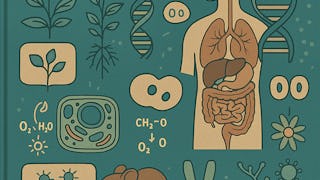
Life Sciences is a branch of science that deals with the study of living organisms and their vital processes. It encompasses a wide range of disciplines, including biology, genetics, ecology, botany, zoology, biochemistry, and biomedical sciences. Life Sciences aim to understand various aspects of living organisms, such as their structure, function, growth, origin, evolution, and interactions within ecosystems. It involves exploring topics like cell biology, physiology, genetics, microbiology, environmental science, and much more. Life Sciences play a crucial role in advancing our knowledge of the natural world and developing solutions to various biological challenges, such as disease prevention, biodiversity conservation, and sustainable agriculture.‎
To excel in Life Sciences, there are several crucial skills you should consider learning:
Scientific knowledge: Develop a strong foundation of scientific principles, theories, and concepts related to biology, chemistry, physics, and other relevant subjects. This understanding will provide the necessary framework for your studies in Life Sciences.
Research skills: Enhance your ability to conduct independent research by learning techniques for gathering, evaluating, and analyzing data. Proficiency in experimental design, data interpretation, and statistical analysis will be invaluable.
Critical thinking: Cultivate your ability to think critically and analytically, enabling you to assess and interpret complex information. This skill aids in problem-solving, identifying patterns, and evaluating evidence.
Communication skills: Develop effective communication skills to convey scientific information clearly and concisely. You should be able to present your findings, write scientific reports, and engage in constructive discussions with peers and researchers.
Technology proficiency: Stay updated with the latest technology and tools used in Life Sciences, such as laboratory equipment, data analysis software, and molecular modeling tools. Familiarity with these resources will enhance your efficiency and accuracy in scientific experimentation and analysis.
Adaptability and collaboration: Life Sciences is a constantly evolving field, so being adaptable and open to new ideas is essential. Additionally, fostering collaboration and teamwork skills will enable you to effectively work with colleagues and contribute to multidisciplinary research projects.
Remember, this list is not exhaustive. As you progress in your Life Sciences journey, additional skills may become relevant based on your specific area of interest, such as genetics, microbiology, or ecology.‎
With Life Sciences skills, you can pursue various rewarding careers in fields such as:
Research Scientist: Conduct experiments, analyze data, and develop new theories in fields like biology, genetics, or physiology.
Pharmaceutical Sales Representative: Promote and sell pharmaceutical products to healthcare professionals.
Biotechnologist: Use biological systems to create or improve products, such as medicines, biofuels, or genetically modified crops.
Clinical Research Associate: Coordinate and monitor clinical trials, ensuring compliance with regulations and protocols.
Environmental Scientist: Study and analyze the environment's impact on organisms and recommend solutions for preserving ecosystems.
Epidemiologist: Investigate patterns and causes of diseases, monitor their spread, and develop strategies for disease prevention and control.
Microbiologist: Study microorganisms, such as bacteria, viruses, or fungi, to understand their behavior and develop treatments or vaccines.
Genetic Counselor: Provide guidance to individuals and families regarding genetic disorders, testing, and inheritance patterns.
Forensic Scientist: Analyze crime scene evidence, conduct laboratory tests, and present findings in legal proceedings.
These are just a few examples, and the field of Life Sciences offers a wide range of opportunities for various interests and specializations.‎
People who are curious about the natural world, have a strong interest in biology, and enjoy conducting research are best suited for studying Life Sciences. Additionally, individuals who have a passion for understanding how living organisms function, evolve, and interact with their environment would thrive in this field. Strong analytical and problem-solving skills, as well as a keen attention to detail, are also beneficial for studying Life Sciences.‎
There are several topics that you can study that are related to Life Sciences. Some popular ones include:
Biology: This is the study of life and living organisms. It includes topics like molecular biology, genetics, ecology, and evolution.
Anatomy and Physiology: This field focuses on the structure and function of the human body. It covers topics like the nervous system, cardiovascular system, respiratory system, and more.
Biochemistry: This is the study of the chemical processes and substances that occur within living organisms. It often explores topics such as protein synthesis, metabolism, and cellular respiration.
Microbiology: This field deals with the study of microorganisms, such as bacteria, viruses, fungi, and parasites. It involves topics like immunology, virology, and microbial genetics.
Genetics: This branch of biology focuses on the inheritance, variation, and structure of genes. It covers topics like DNA replication, gene expression, and genetic disorders.
Ecology: This field studies the interactions between organisms and their environment. It explores topics such as population dynamics, ecosystem structures, and conservation biology.
Pharmacology: This discipline involves the study of how drugs interact with living systems. It includes topics like drug development, drug mechanisms, and drug safety.
These are just a few examples of the wide range of topics related to Life Sciences. Depending on your specific interests or career goals, you can explore more specialized areas within these fields or venture into related disciplines such as marine biology, agricultural sciences, or bioinformatics.‎
Online Life Sciences courses offer a convenient and flexible way to enhance your knowledge or learn new Life Sciences is a branch of science that deals with the study of living organisms and their vital processes. It encompasses a wide range of disciplines, including biology, genetics, ecology, botany, zoology, biochemistry, and biomedical sciences. Life Sciences aim to understand various aspects of living organisms, such as their structure, function, growth, origin, evolution, and interactions within ecosystems. It involves exploring topics like cell biology, physiology, genetics, microbiology, environmental science, and much more. Life Sciences play a crucial role in advancing our knowledge of the natural world and developing solutions to various biological challenges, such as disease prevention, biodiversity conservation, and sustainable agriculture. skills. Choose from a wide range of Life Sciences courses offered by top universities and industry leaders tailored to various skill levels.‎
When looking to enhance your workforce's skills in Life Sciences, it's crucial to select a course that aligns with their current abilities and learning objectives. Our Skills Dashboard is an invaluable tool for identifying skill gaps and choosing the most appropriate course for effective upskilling. For a comprehensive understanding of how our courses can benefit your employees, explore the enterprise solutions we offer. Discover more about our tailored programs at Coursera for Business here.‎