• For Individuals
  • For Businesses
  • For Universities
  • For Governments
Degrees
Log In
Join for Free
  • Browse
  • Dinosaurs

Dinosaurs Courses

Courses on dinosaurs can help you learn about their evolution, anatomy, and the ecosystems they inhabited, as well as fossil identification and paleontological techniques. You can build skills in critical analysis of scientific literature, data collection methods, and fieldwork practices. Many courses introduce tools like 3D modeling software for reconstructing dinosaur skeletons and GIS for mapping fossil sites, allowing you to apply your knowledge in practical research and conservation efforts.


Popular Dinosaurs Courses and Certifications


  • Status: Preview
    Preview
    A

    American Museum of Natural History

    Dinosaurs: Evolution, Extinction, and Paleobiology

    Skills you'll gain: Life Sciences, Biology, Taxonomy, Science and Research, Scientific Methods, General Science and Research, Laboratory Research, Research, Research Methodologies, Environmental Science

    4.8
    Rating, 4.8 out of 5 stars
    ·
    65 reviews

    Beginner · Course · 1 - 3 Months

  • Status: Free
    Free
    U

    University of Alberta

    Dino 101: Dinosaur Paleobiology

    Skills you'll gain: Biology, Physical Science, Life Sciences, Taxonomy, Scientific Methods, Science and Research, Environmental Science, Spatial Data Analysis

    4.9
    Rating, 4.9 out of 5 stars
    ·
    3.8K reviews

    Beginner · Course · 1 - 3 Months

  • Status: Preview
    Preview
    U

    University of Alberta

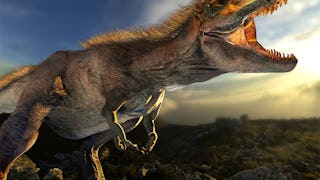
    Paleontology: Theropod Dinosaurs and the Origin of Birds

    Skills you'll gain: Biology, Life Sciences, Taxonomy, Timelines, Research
    4.9
    Rating, 4.9 out of 5 stars
    ·
    1.6K reviews

    Mixed · Course · 1 - 3 Months

  • Status: Preview
    Preview
    U

    University of Alberta

    Paleontology: Ancient Marine Reptiles

    Skills you'll gain: Biology, Life Sciences, Taxonomy
    4.9
    Rating, 4.9 out of 5 stars
    ·
    1.3K reviews

    Mixed · Course · 1 - 4 Weeks

  • Status: New
    New
    Status: Free
    Free
    U

    University of Cape Town

    Life on Earth: Diversification and Extinctions

    Skills you'll gain: Environmental Issue, Climate Change Mitigation, Natural Resource Management, Environmental Science, Biology, Climate Change Adaptation, Life Sciences, Anthropology, Ancient History

    Beginner · Course · 1 - 3 Months

  • Status: Preview
    Preview
    D

    Duke University

    Introduction to Genetics and Evolution

    Skills you'll gain: Molecular Biology, Biology, Biostatistics, Biotechnology, Environmental Science, Scientific Methods, Mathematical Modeling

    4.8
    Rating, 4.8 out of 5 stars
    ·
    1.8K reviews

    Mixed · Course · 1 - 3 Months

What brings you to Coursera today?

  • Status: Preview
    Preview
    A

    American Museum of Natural History

    Marine Biology

    Skills you'll gain: Life Sciences, Biology, Environmental Science, Environment, Biochemistry, Physiology, Hydrology, Environmental Issue, Anatomy, Water Quality, Behavioral Health, Research

    4.8
    Rating, 4.8 out of 5 stars
    ·
    579 reviews

    Beginner · Course · 1 - 3 Months

  • Status: Preview
    Preview
    E

    Emory University

    Extinctions: Past, Present, & Future

    Skills you'll gain: Environment, Physical Science, Environmental Issue, Natural Resource Management, Environment and Resource Management, Environmental Science, Ancient History, World History, Timelines, Biology, Climate Change Adaptation

    4.8
    Rating, 4.8 out of 5 stars
    ·
    138 reviews

    Beginner · Course · 1 - 3 Months

  • Status: Preview
    Preview
    A

    American Museum of Natural History

    The Dynamic Earth: A Course for Educators

    Skills you'll gain: Physical Science, Environment, Climate Change Programs, Spatial Data Analysis, Risk Control, General Science and Research, Environmental Science, Scientific Methods

    4.7
    Rating, 4.7 out of 5 stars
    ·
    229 reviews

    Mixed · Course · 1 - 4 Weeks

  • Status: Preview
    Preview
    U

    University of Alberta

    Paleontology: Early Vertebrate Evolution

    Skills you'll gain: Biology, Environmental Science, Environment, Life Sciences, Taxonomy

    4.8
    Rating, 4.8 out of 5 stars
    ·
    1.2K reviews

    Mixed · Course · 1 - 4 Weeks

  • Status: Free
    Free
    U

    University of Alberta

    Bugs 101: Insect-Human Interactions

    Skills you'll gain: Anthropology, Anatomy, Physiology, Life Sciences, Sustainable Development, Environment and Resource Management, Environmental Science, Biology, Cultural Diversity, Microbiology, Public Health and Disease Prevention, Taxonomy, Criminal Investigation and Forensics

    4.9
    Rating, 4.9 out of 5 stars
    ·
    1.5K reviews

    Beginner · Course · 3 - 6 Months

  • Status: Preview
    Preview
    A

    American Museum of Natural History

    The Solar System

    Skills you'll gain: Scientific Visualization, Environment, Physics, General Science and Research, Taxonomy, Scientific Methods, Biology, Chemistry

    Beginner · Course · 1 - 3 Months

Searches related to dinosaurs

dinosaurs: evolution, extinction, and paleobiology
paleontology: theropod dinosaurs and the origin of birds
dino 101: dinosaur paleobiology
1234…9

In summary, here are 10 of our most popular dinosaurs courses

  • Dinosaurs: Evolution, Extinction, and Paleobiology: American Museum of Natural History
  • Dino 101: Dinosaur Paleobiology: University of Alberta
  • Paleontology: Theropod Dinosaurs and the Origin of Birds: University of Alberta
  • Paleontology: Ancient Marine Reptiles: University of Alberta
  • Life on Earth: Diversification and Extinctions: University of Cape Town
  • Introduction to Genetics and Evolution: Duke University
  • Marine Biology: American Museum of Natural History
  • Extinctions: Past, Present, & Future: Emory University
  • The Dynamic Earth: A Course for Educators: American Museum of Natural History
  • Paleontology: Early Vertebrate Evolution: University of Alberta

Frequently Asked Questions about Dinosaurs

Dinosaurs are a group of reptiles that appeared during the Mesozoic Era, which is also known as the Age of Reptiles. They lived on Earth millions of years ago and are now extinct. Dinosaurs varied in size, from small birds to towering giants like the Tyrannosaurus rex. They had a wide range of physical features, including different types of teeth, tails, and body coverings. Dinosaurs lived in diverse habitats, such as forests, plains, and even underwater. They are a fascinating subject of study and have captured the imagination of people worldwide. If you are interested in learning more about dinosaurs, there are many online courses and resources available that can provide in-depth knowledge and insights into their biology, behavior, and evolution.‎

To study Dinosaurs, you will need to acquire the following skills:

  1. Paleontology: This is the study of ancient life forms, including dinosaurs. Developing skills in paleontology will involve learning about fossil excavation, identification, and preservation techniques.

  2. Biology: Understanding the principles of biology, especially anatomy and evolution, will be crucial in comprehending the various aspects of dinosaurs' anatomy, behavior, and their place in the ecosystem.

  3. Geology: Knowledge of geology is important in studying dinosaurs as it helps determine the age of fossil finds, identify ancient environments and their impact on dinosaur life, and assess geological formations where fossils are found.

  4. Comparative Anatomy: Learning about the anatomical structure of different organisms, including dinosaurs, will allow you to analyze and compare the physical characteristics and adaptations among various species.

  5. Research and Scientific Method: Acquiring skills in research methodologies and scientific investigation will enable you to conduct studies and contribute to the field of dinosaur research by generating new knowledge and insights.

  6. Data Analysis: Developing skills in data analysis will aid in interpreting scientific data, conducting statistical analyses, and drawing conclusions based on the information gathered from dinosaur fossils and related research.

  7. Communication: Strong communication skills, both written and verbal, will be beneficial to effectively communicate findings, present research papers, collaborate with other scientists, and educate the public about dinosaurs.

Remember, the study of dinosaurs is a multidisciplinary field, combining various branches of science. It's important to remain curious, dedicated, and open to continuously learning and expanding your knowledge in these areas.‎

With skills and knowledge related to dinosaurs, you can pursue a variety of jobs such as:

  1. Paleontologist: Study and analyze fossils, including dinosaur remains, to gain insights into the ancient creatures and their ecosystems.

  2. Museum Curator: Manage and preserve a collection of dinosaur fossils and artifacts, curate exhibitions, and educate the public about these amazing creatures.

  3. Science Educator: Teach students about dinosaurs, their history, evolution, and scientific concepts related to paleontology and geology.

  4. Science Writer/Journalist: Share your knowledge and research about dinosaurs through articles, books, or by working with media outlets.

  5. Park Ranger: Work in national parks or reserves that have dinosaur fossils or tracks, educating visitors about the prehistoric creatures and helping to conserve their natural habitats.

  6. Tour Guide: Lead guided tours in areas known for their dinosaur discoveries, sharing interesting facts and stories while showcasing fossil sites and excavation areas.

  7. Scientific Illustrator: Create detailed and accurate visual representations of dinosaurs for scientific publications, books, documentaries, and exhibits.

  8. 3D Modeler/Animator: Use computer programs to create virtual reconstructions of dinosaurs, bringing them to life in animations or virtual reality experiences.

  9. Dinosaur-themed Event Planner: Organize and manage events centered around dinosaurs, such as exhibitions, dinosaur-themed parties, or educational workshops.

  10. Dinosaur Researcher: Conduct independent or collaborative research on specific aspects of dinosaur biology, evolution, behavior, or paleoenvironments.‎

People who are curious about the history of life on Earth, have a passion for paleontology, and enjoy studying fossils and ancient ecosystems are best suited for studying Dinosaurs. Additionally, individuals who have a strong interest in biology, geology, and earth sciences may find studying Dinosaurs fascinating.‎

There are several topics related to Dinosaurs that you can study. Here are a few suggestions:

  1. Paleontology: Explore the science of studying fossils and learn how paleontologists discover and analyze dinosaur remains.

  2. Dinosaur Evolution: Learn about the evolutionary history of dinosaurs and their relationship to other prehistoric creatures.

  3. Anatomy and Physiology: Delve into the anatomy and physiology of dinosaurs to gain a deeper understanding of their physical makeup and functionality.

  4. Dinosaur Behavior: Study the behavior and social dynamics of different dinosaur species.
  5. Dinosaur Classification: Dive into the classification and taxonomy of dinosaurs to learn how they are categorized based on their characteristics.

  6. Dinosaur Paleoenvironments: Discover the prehistoric environments in which dinosaurs lived and how their habitats influenced their evolution.

  7. Dinosaur Extinction: Investigate the theories surrounding the extinction of dinosaurs, such as the asteroid impact hypothesis and other factors that may have contributed to their demise.

These are just a few examples of the various topics you can study related to dinosaurs. Each topic offers unique insights into the fascinating world of these ancient creatures.‎

Online Dinosaurs courses offer a convenient and flexible way to enhance your knowledge or learn new Dinosaurs are a group of reptiles that appeared during the Mesozoic Era, which is also known as the Age of Reptiles. They lived on Earth millions of years ago and are now extinct. Dinosaurs varied in size, from small birds to towering giants like the Tyrannosaurus rex. They had a wide range of physical features, including different types of teeth, tails, and body coverings. Dinosaurs lived in diverse habitats, such as forests, plains, and even underwater. They are a fascinating subject of study and have captured the imagination of people worldwide. If you are interested in learning more about dinosaurs, there are many online courses and resources available that can provide in-depth knowledge and insights into their biology, behavior, and evolution. skills. Choose from a wide range of Dinosaurs courses offered by top universities and industry leaders tailored to various skill levels.‎

When looking to enhance your workforce's skills in Dinosaurs, it's crucial to select a course that aligns with their current abilities and learning objectives. Our Skills Dashboard is an invaluable tool for identifying skill gaps and choosing the most appropriate course for effective upskilling. For a comprehensive understanding of how our courses can benefit your employees, explore the enterprise solutions we offer. Discover more about our tailored programs at Coursera for Business here.‎

This FAQ content has been made available for informational purposes only. Learners are advised to conduct additional research to ensure that courses and other credentials pursued meet their personal, professional, and financial goals.

Other topics to explore

Arts and Humanities
338 courses
Business
1095 courses
Computer Science
668 courses
Data Science
425 courses
Information Technology
145 courses
Health
471 courses
Math and Logic
70 courses
Personal Development
137 courses
Physical Science and Engineering
413 courses
Social Sciences
401 courses
Language Learning
150 courses

Coursera Footer

Skills

  • Artificial Intelligence (AI)
  • Cybersecurity
  • Data Analytics
  • Digital Marketing
  • English Speaking
  • Generative AI (GenAI)
  • Microsoft Excel
  • Microsoft Power BI
  • Project Management
  • Python

Certificates & Programs

  • Google Cybersecurity Certificate
  • Google Data Analytics Certificate
  • Google IT Support Certificate
  • Google Project Management Certificate
  • Google UX Design Certificate
  • IBM Data Analyst Certificate
  • IBM Data Science Certificate
  • Machine Learning Certificate
  • Microsoft Power BI Data Analyst Certificate
  • UI / UX Design Certificate

Industries & Careers

  • Business
  • Computer Science
  • Data Science
  • Education & Teaching
  • Engineering
  • Finance
  • Healthcare
  • Human Resources (HR)
  • Information Technology (IT)
  • Marketing

Career Resources

  • Career Aptitude Test
  • Examples of Strengths and Weaknesses for Job Interviews
  • High-Income Skills to Learn
  • How Does Cryptocurrency Work?
  • How to Highlight Duplicates in Google Sheets
  • How to Learn Artificial Intelligence
  • Popular Cybersecurity Certifications
  • Preparing for the PMP Certification
  • Signs You Will Get the Job After an Interview
  • What Is Artificial Intelligence?

Coursera

  • About
  • What We Offer
  • Leadership
  • Careers
  • Catalog
  • Coursera Plus
  • Professional Certificates
  • MasterTrack® Certificates
  • Degrees
  • For Enterprise
  • For Government
  • For Campus
  • Become a Partner
  • Social Impact
  • Free Courses
  • Share your Coursera learning story

Community

  • Learners
  • Partners
  • Beta Testers
  • Blog
  • The Coursera Podcast
  • Tech Blog

More

  • Press
  • Investors
  • Terms
  • Privacy
  • Help
  • Accessibility
  • Contact
  • Articles
  • Directory
  • Affiliates
  • Modern Slavery Statement
  • Do Not Sell/Share
Learn Anywhere
Download on the App Store
Get it on Google Play
Logo of Certified B Corporation
© 2025 Coursera Inc. All rights reserved.
  • Coursera Facebook
  • Coursera Linkedin
  • Coursera Twitter
  • Coursera YouTube
  • Coursera Instagram
  • Coursera TikTok