Geriatrics Courses
Geriatrics courses can help you learn about age-related health issues, chronic disease management, and effective communication with older adults. You can build skills in conducting comprehensive assessments, developing care plans, and understanding pharmacology specific to geriatric patients. Many courses introduce tools such as electronic health records and assessment scales that assist in evaluating patient needs and tracking health outcomes.
Popular Geriatrics Courses and Certifications

University of Toronto
Skills you'll gain: Gerontology, Long Term Care, Geriatrics, Caregiving, Nursing Homes, Dignity in Care, Home Health Care, Mental and Behavioral Health, Psychosocial Assessments, Behavioral Management, Substance Abuse, Patient-centered Care, Diversity Awareness, Cultural Responsiveness, Informed Consent, Behavior Management, Needs Assessment
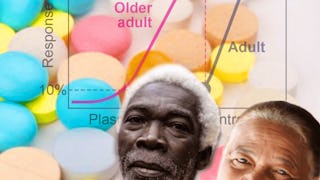
Icahn School of Medicine at Mount Sinai
Skills you'll gain: Drug Interaction, Medication Therapy Management, Pharmacotherapy, Medical Prescription, Geriatrics, Clinical Pharmacy, Pharmacology, Hospital Medicine, Patient Discharges, Care Management, Care Coordination, Patient Safety, Pharmacy

Skills you'll gain: Phlebotomy, Blood Collection, Urinalysis, Geriatrics, Laboratory Testing, Venipuncture, Electocardiography, Pediatrics, Specimen Collection, Patient Education and Support, Medical Laboratory, Cardiology, Child Health, Medical Assistance, Patient Preparation, Cardiac Dysrhythmia, Diagnostic Tests, Basic Patient Care, Patient Communication, Infection Control
Johns Hopkins University
Skills you'll gain: Patient Safety, Design Thinking, Change Management, Institutional Review Board (IRB), Conflict Management, Data Literacy, Performance Measurement, Systems Thinking, Healthcare Project Management, Data Visualization, Change Control, Solution Design, Health Systems, Data Analysis, Corrective and Preventive Action (CAPA), Risk Analysis, Data Presentation, Maintainability, Safety Assurance, Quality Improvement
University of Copenhagen
Skills you'll gain: Gerontology, Competitive Analysis, Design Thinking, Demography, Innovation, Rehabilitation, Intellectual Property, Health Technology, Chronic Diseases, Health Systems, Geriatrics, Health Care, Business Architecture, Healthcare Industry Knowledge, Value-Based Care, Value Propositions, Preventative Care, Health Policy, Business Strategies, Project Management

What brings you to Coursera today?

Skills you'll gain: Clinical Documentation, Generative AI, AI literacy, Responsible AI, Medical Coding, Patient Coordination, ChatGPT, Healthcare Project Management, Care Coordination, Electronic Medical Record, Health Informatics, Patient Communication, Healthcare Ethics, Health Information Management, Business Process Automation, Prompt Engineering, Operational Efficiency, Compliance Management, Technology Roadmaps, Change Management
National Academy of Sports Medicine
Skills you'll gain: Nutrition and Diet, Clinical Nutrition, Nutrition Education, Medical Nutrition Therapy, Chronic Diseases

University of Glasgow
Skills you'll gain: Prompt Engineering, Prompt Patterns, Prompt Engineering Tools, AI literacy, Generative AI, Responsible AI, Health Equity, Risking, Generative Model Architectures, AI Product Strategy, Health Disparities, Model Evaluation, Medical Privacy, Context Engineering, Health Informatics, Artificial Intelligence, Health Care, Health Technology, Decision Making, Algorithms

University of Minnesota
Skills you'll gain: Drug Interaction, Meditation & Breathwork, Contraindication, Patient Education And Counseling, Mindfulness, Patient Referral, Pharmacology, Treatment Planning, Pain Management, Manual Therapy, Patient Safety, Health Assessment, Patient Education and Support, Health Systems, Clinical Practices, Nursing Practices, Patient Evaluation, Pharmacotherapy, Nurse Education, Patient-centered Care

Pearson
Skills you'll gain: Childbirth, Human Development, Maternal Health, Child Health, Gerontology, Prenatal Care, Childhood Education and Development, Child Development, Human Learning, Developmental Disabilities, Psychology, Infant Care, Geriatrics, Formal Learning, Postpartum Care, Relationship Building, Higher Education, Learning Theory, Education and Training, Adult Education
Taipei Medical University
Skills you'll gain: Pre-Clinical Development, Clinical Research Ethics, Precision Medicine, Clinical Trials, Clinical Research, Biostatistics, Medical Science and Research, Healthcare Ethics, Biomedical Engineering, Laboratory Testing, Specimen Preparation, Drug Development, Biotechnology, Molecular Biology, Laboratory Research, Bioinformatics, Laboratory Experience, Oncology, Pharmacology, Cell Biology
Imperial College London
Skills you'll gain: Immunology, Infectious Diseases, Hematology, Physiology, Oncology, Microbiology, Molecular, Cellular, and Microbiology, Pathology, Epidemiology, Chronic Diseases, Public Health and Disease Prevention, Respiration, Geriatrics, Pulmonology, Environment, Pharmacotherapy, General Medicine, Biology, Pharmacology, Public Health
What brings you to Coursera today?
Best free Geriatrics courses
High-quality free Geriatrics courses you can start today.
- Knowledge and Skills for Dementia Care: the SSLD ApproachUniversity of TorontoBeginner1 - 3 MonthsFree
- Responsible Medication Prescribing for Older AdultsIcahn School of Medicine at Mount SinaiAdvanced1 - 3 MonthsFree
- Business Models for Innovative Care for Older PeopleUniversity of CopenhagenIntermediate1 - 3 MonthsFree
Best Geriatrics certificate programs
Earn a certificate in Geriatrics from top universities and companies.
- Patient SafetyJohns Hopkins UniversityBeginner3 - 6 MonthsSpecialization
- GenAI Healthcare Administration & DocumentationCourseraIntermediate1 - 3 MonthsSpecialization
- Integrative Health and MedicineUniversity of MinnesotaBeginner3 - 6 MonthsSpecialization
Best Geriatrics courses for beginners
Top-rated beginner-friendly Geriatrics courses with no prerequisites.
- Pediatric, Geriatric, Phlebotomy, and Cardiology AssistingMedCertsBeginner1 - 4 WeeksNo prerequisites
- Optimal Nutrition After 40National Academy of Sports MedicineBeginner1 - 4 WeeksNo prerequisites










