• For Individuals
  • For Businesses
  • For Universities
  • For Governments
Degrees
​
Log In
Join for Free
  • Browse
  • Nervous System

Nervous System Courses

Nervous system courses can help you learn the structure and function of neurons, the roles of neurotransmitters, and the intricacies of brain regions. You can build skills in analyzing neural pathways, understanding sensory processing, and exploring the impact of the nervous system on behavior and cognition. Many courses introduce tools like neuroimaging techniques and electrophysiological methods, that support studying brain activity and diagnosing neurological conditions.


Popular Nervous System Courses and Certifications

  • Status: Preview
    Preview
    T

    The University of Chicago

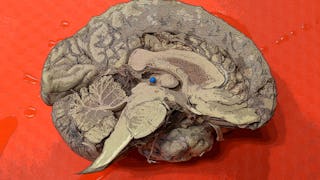
    Understanding the Brain: The Neurobiology of Everyday Life

    Skills you'll gain: Neurology, Physiology, Anatomy, Behavioral Health, Mental and Behavioral Health, Mental Health Diseases and Disorders, Vital Signs, Control Systems, Coordination, Biology, Communication Systems

    4.9
    Rating, 4.9 out of 5 stars
    ·
    3.2K reviews

    Beginner · Course · 1 - 3 Months

  • Status: Free Trial
    Free Trial
    U

    University of Michigan

    Anatomy

    Skills you'll gain: Human Musculoskeletal System, Anatomy, Endocrinology, Pulmonology, Cardiology, Respiration, Gynecology, Hematology, Obstetrics And Gynecology, Orthopedics, Neurology, Urology, Nephrology, Kinesiology, Physiology, Medical Imaging, Sports Medicine, Biology, Medical Terminology, Cell Biology

    4.8
    Rating, 4.8 out of 5 stars
    ·
    4K reviews

    Beginner · Specialization · 3 - 6 Months

  • Status: Free Trial
    Free Trial
    U

    University of Michigan

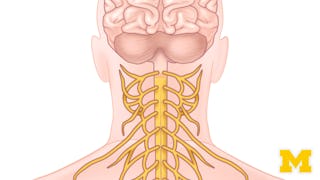
    Anatomy: Human Neuroanatomy

    Skills you'll gain: Anatomy, Neurology, Physiology, Medical Terminology

    4.9
    Rating, 4.9 out of 5 stars
    ·
    1K reviews

    Beginner · Course · 1 - 3 Months

  • Status: Free Trial
    Free Trial
    R

    Rice University

    Human Anatomy & Physiology I

    Skills you'll gain: Human Musculoskeletal System, Anatomy, Endocrinology, Orthopedics, Kinesiology, Physiology, Neurology, Medical Terminology, Cell Biology, Biology, Chemistry, Clinical Practices, Sports Medicine, Physical Therapy, Molecular, Cellular, and Microbiology, Life Sciences, Lifelong Learning

    4.7
    Rating, 4.7 out of 5 stars
    ·
    164 reviews

    Intermediate · Specialization · 3 - 6 Months

  • Status: Preview
    Preview
    D

    Duke University

    Medical Neuroscience

    Skills you'll gain: Neurology, Physiology, Anatomy, Cell Biology, Psychology, Pathology, Molecular Biology

    4.9
    Rating, 4.9 out of 5 stars
    ·
    3.1K reviews

    Advanced · Course · 3 - 6 Months

  • Status: New
    New
    Status: Preview
    Preview
    B

    Board Infinity

    Mindfulness for Stress Relief: Calm Your Mind & Body

    Skills you'll gain: Mindfulness, Stress Management, Composure, Personal Development, Emotional Intelligence, Resilience, Self-Awareness, Mental Health, Mental Concentration, Respiration, Physiology, Neurology

    Beginner · Course · 1 - 4 Weeks

What brings you to Coursera today?

  • Status: Preview
    Preview
    D

    Duke University

    Introductory Human Physiology

    Skills you'll gain: Physiology, Pulmonology, Respiration, Anatomy, Endocrinology, Cardiology, Human Musculoskeletal System, Kinesiology, Nephrology, Biology, Vital Signs, Blood Pressure, Neurology, Urinalysis

    4.8
    Rating, 4.8 out of 5 stars
    ·
    5.3K reviews

    Beginner · Course · 1 - 3 Months

  • Status: Preview
    Preview
    N

    New York University

    Engineering Health: Introduction to Yoga and Physiology

    Skills you'll gain: Respiratory Care, Mindfulness, Physiology, Stress Management, Research, Cardiology, Orthopedics, Immunology, Anatomy, Chronic Diseases, Neurology, Endocrinology, Mental Health

    4.8
    Rating, 4.8 out of 5 stars
    ·
    537 reviews

    Beginner · Course · 3 - 6 Months

  • Status: New
    New
    Status: Free Trial
    Free Trial
    N

    Niel Asher Education

    Hatha Yoga Tools for Regulation and Mind–Body Balance

    Skills you'll gain: Exercise Therapy, Manual Therapy, Pain Management, Respiratory Care, Athletic Training, Cognitive Behavioral Therapy, Mental Health Therapies, Contraindication

    Intermediate · Course · 1 - 3 Months

  • Status: New
    New
    Status: Free Trial
    Free Trial
    N

    Niel Asher Education

    Integrative Bodywork Techniques for Practitioners

    Skills you'll gain: Manual Therapy, Patient Evaluation, Patient Positioning, Exercise Therapy, Physical Therapy, Clinical Assessment, Neurology, Rehabilitation, Patient Communication, Mindfulness, Patient Treatment, Pain Management, Self-Awareness, Cognitive Behavioral Therapy, Exercise Science, Occupational Therapy, Intravenous Therapy, Family Therapy, Mental Health Therapies, Mental Health
    Intermediate · Specialization · 1 - 3 Months

  • Status: Free Trial
    Free Trial
    U

    University of Colorado Boulder

    The Science of Movement

    Skills you'll gain: Kinesiology, Electrophysiology, Rehabilitation, Exercise Science, Human Musculoskeletal System, Sports Medicine, Physical Therapy, Neurology, Physiology, Geriatrics, Control Systems, Coordination, Anatomy, Cell Biology, Biology

    4.7
    Rating, 4.7 out of 5 stars
    ·
    16 reviews

    Intermediate · Specialization · 1 - 3 Months

  • Status: New
    New
    Status: Free Trial
    Free Trial
    N

    Niel Asher Education

    Vagus Nerve Function & Therapeutic Applications

    Skills you'll gain: Manual Therapy, Neurology, Rehabilitation, Physical Therapy, Pain Management, Exercise Therapy, Clinical Assessment, Anatomy, Respiration, Cognitive Behavioral Therapy, Patient Education And Counseling, Physiology, Athletic Training, Stress Management, Mental Health Therapies
    Intermediate · Course · 1 - 4 Weeks

1234…519

In summary, here are 10 of our most popular nervous system courses

  • Understanding the Brain: The Neurobiology of Everyday Life: The University of Chicago
  • Anatomy: University of Michigan
  • Anatomy: Human Neuroanatomy: University of Michigan
  • Human Anatomy & Physiology I: Rice University
  • Medical Neuroscience: Duke University
  • Mindfulness for Stress Relief: Calm Your Mind & Body : Board Infinity
  • Introductory Human Physiology: Duke University
  • Engineering Health: Introduction to Yoga and Physiology: New York University
  • Hatha Yoga Tools for Regulation and Mind–Body Balance: Niel Asher Education
  • Integrative Bodywork Techniques for Practitioners: Niel Asher Education

Frequently Asked Questions about Nervous System

The nervous system is a complex network of nerves and cells that transmit signals between different parts of the body. It plays a crucial role in controlling bodily functions, processing sensory information, and enabling communication between various systems. Understanding the nervous system is important because it helps us comprehend how our bodies respond to stimuli, coordinate movements, and maintain homeostasis. This knowledge is essential for various fields, including medicine, psychology, and neuroscience.‎

Careers related to the nervous system can be diverse and rewarding. You might consider roles such as neurologist, neuropsychologist, or neuroscience researcher. Additionally, positions in healthcare, such as nursing or physical therapy, often require a solid understanding of the nervous system. Other opportunities include working in pharmaceuticals, biotechnology, or academic research, where knowledge of the nervous system can be pivotal in developing new treatments or therapies.‎

To work effectively in fields related to the nervous system, you should develop a range of skills. These include a strong foundation in biology and human anatomy, critical thinking, and analytical skills. Familiarity with research methodologies and data analysis is also beneficial, especially for those interested in research roles. Additionally, communication skills are vital for conveying complex information to patients or colleagues, while empathy and active listening are crucial in healthcare settings.‎

There are several excellent online courses available for those interested in the nervous system. For instance, you might explore courses that focus on neuroscience, neurobiology, or related fields. While specific courses on the nervous system may vary, you can find programs that cover essential topics and provide a solid foundation. Consider looking into specialized programs like Immunology: The Immune System and its Failures Specialization for a broader understanding of body systems.‎

Yes. You can start learning nervous system on Coursera for free in two ways:

  1. Preview the first module of many nervous system courses at no cost. This includes video lessons, readings, graded assignments, and Coursera Coach (where available).
  2. Start a 7-day free trial for Specializations or Coursera Plus. This gives you full access to all course content across eligible programs within the timeframe of your trial.

If you want to keep learning, earn a certificate in nervous system, or unlock full course access after the preview or trial, you can upgrade or apply for financial aid.‎

Learning about the nervous system can be approached through various methods. Start by enrolling in online courses that cover the fundamentals of neuroscience and related topics. Supplement your learning with textbooks, research articles, and educational videos. Engaging in discussions with peers or joining study groups can also enhance your understanding. Practical experiences, such as internships or volunteering in healthcare settings, can provide valuable insights into the nervous system's real-world applications.‎

Typical topics covered in nervous system courses include the structure and function of neurons, neurotransmission, brain anatomy, and the role of the nervous system in behavior and cognition. Courses may also explore neurological disorders, the impact of the nervous system on overall health, and the latest research in neuroscience. Understanding these topics can provide a comprehensive view of how the nervous system operates and its significance in various fields.‎

For training and upskilling employees, courses that focus on the nervous system can be particularly beneficial in healthcare and research settings. Programs that cover neuroscience principles, neurological assessments, and patient care strategies can enhance the skills of healthcare professionals. Additionally, courses that integrate technology and neuroscience, such as those related to AI in healthcare, can prepare employees for emerging trends in the field. Consider exploring specialized programs that align with your organization's needs.‎

This FAQ content has been made available for informational purposes only. Learners are advised to conduct additional research to ensure that courses and other credentials pursued meet their personal, professional, and financial goals.

Other topics to explore

Arts and Humanities
338 courses
Business
1095 courses
Computer Science
668 courses
Data Science
425 courses
Information Technology
145 courses
Health
471 courses
Math and Logic
70 courses
Personal Development
137 courses
Physical Science and Engineering
413 courses
Social Sciences
401 courses
Language Learning
150 courses

Coursera Footer

Skills

  • Artificial Intelligence (AI)
  • Cybersecurity
  • Data Analytics
  • Digital Marketing
  • English Speaking
  • Generative AI (GenAI)
  • Microsoft Excel
  • Microsoft Power BI
  • Project Management
  • Python

Certificates & Programs

  • Google Cybersecurity Certificate
  • Google Data Analytics Certificate
  • Google IT Support Certificate
  • Google Project Management Certificate
  • Google UX Design Certificate
  • IBM Data Analyst Certificate
  • IBM Data Science Certificate
  • Machine Learning Certificate
  • Microsoft Power BI Data Analyst Certificate
  • UI / UX Design Certificate

Industries & Careers

  • Business
  • Computer Science
  • Data Science
  • Education & Teaching
  • Engineering
  • Finance
  • Healthcare
  • Human Resources (HR)
  • Information Technology (IT)
  • Marketing

Career Resources

  • Career Aptitude Test
  • Examples of Strengths and Weaknesses for Job Interviews
  • High-Income Skills to Learn
  • How Does Cryptocurrency Work?
  • How to Highlight Duplicates in Google Sheets
  • How to Learn Artificial Intelligence
  • Popular Cybersecurity Certifications
  • Preparing for the PMP Certification
  • Signs You Will Get the Job After an Interview
  • What Is Artificial Intelligence?

Coursera

  • About
  • What We Offer
  • Leadership
  • Careers
  • Catalog
  • Coursera Plus
  • Professional Certificates
  • MasterTrack® Certificates
  • Degrees
  • For Enterprise
  • For Government
  • For Campus
  • Become a Partner
  • Social Impact
  • Free Courses
  • Share your Coursera learning story

Community

  • Learners
  • Partners
  • Beta Testers
  • Blog
  • The Coursera Podcast
  • Tech Blog

More

  • Press
  • Investors
  • Terms
  • Privacy
  • Help
  • Accessibility
  • Contact
  • Articles
  • Directory
  • Affiliates
  • Modern Slavery Statement
  • Do Not Sell/Share
Learn Anywhere
Download on the App Store
Get it on Google Play
Logo of Certified B Corporation
© 2026 Coursera Inc. All rights reserved.
  • Coursera Facebook
  • Coursera Linkedin
  • Coursera Twitter
  • Coursera YouTube
  • Coursera Instagram
  • Coursera TikTok