Free Courses
Free courses can help you learn coding languages like Python and JavaScript, data analysis techniques, and web development fundamentals. You can build skills in problem-solving, algorithm design, and creating interactive websites. Many courses introduce tools such as Git for version control, SQL for database management, and various frameworks that streamline web development, allowing you to apply your skills in practical projects.
Popular Free Courses
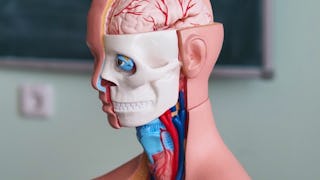
Rice University
Skills you'll gain: Human Musculoskeletal System, Anatomy, Endocrinology, Orthopedics, Kinesiology, Physiology, Neurology, Medical Terminology, Biochemistry, Cell Biology, Biology, Chemistry, Clinical Practices, Molecular, Cellular, and Microbiology, Lifelong Learning
Wesleyan University
Skills you'll gain: Social Sciences, Psychology, Persuasive Communication, Social Justice, Empathy & Emotional Intelligence, Behavior Management, Conflict Management, Research, Diversity Awareness
Coursera
Skills you'll gain: Data Integrity, Data Quality, Medical History Documentation, Data Validation, Data Entry, Health Information Management, Quality Assurance, Medical Records, Patient Safety, Electronic Medical Record System, Regulatory Compliance, Record Keeping

Stanford Online
Skills you'll gain: Diversity Awareness, Child Welfare, Pediatrics, Cultural Sensitivity, Working With Children, Family Support, Toileting, Human Development, Mental Health, Workplace inclusivity, Diversity Equity and Inclusion Initiatives, Health Equity, Child Development, Parent Communication, Child Health, Sociology, Health Disparities, Healthcare Ethics, Medical Support, Public Health
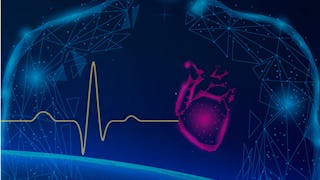
Duke University
Skills you'll gain: Occupational Medicine, Physiology, Medical Science and Research, Biomedical Engineering, Emergency Medicine, Hemodynamics, Oxygen Therapy, Preventative Care, Radiation Protection, Human Factors, Health Care, Respiration, Environment, Physics, Engineering Design Process, Psychosocial Assessments, Biology, Engineering

What brings you to Coursera today?

University of Michigan
Skills you'll gain: Rehabilitation, Sports Medicine, Medical Emergency, Athletic Training, Injury Prevention, Trauma Care, Safety Training, Neurology, Care Management, Long Term Care, Emergency Response, Health Care Procedure and Regulation
Imperial College London
Skills you'll gain: Epidemiology, Public Health and Disease Prevention, Public Health, Infectious Diseases, Community Health, Infection Control, Economics, Policy, and Social Studies, Community Outreach, Health Systems, Socioeconomics, Health Policy, Clinical Practices, Diagnostic Tests, General Medicine, Microbiology, Media and Communications, Molecular Biology

Imperial College London
Skills you'll gain: Logistic Regression, Analytical Skills, Correlation Analysis, Science and Research, Regression Analysis, Sampling (Statistics), Statistical Hypothesis Testing, Data Literacy, Data Analysis, R Programming, Descriptive Analytics, Descriptive Statistics, Statistical Software, Statistical Modeling, Biostatistics, Model Evaluation, Exploratory Data Analysis, Statistical Analysis, Statistical Programming, R (Software)

Johns Hopkins University
Skills you'll gain: Injury Prevention, Public Safety and National Security, De-escalation Techniques, Social Justice, Policy Analysis, Research, and Development, Public Policies, Policy Analysis, Public Health, Epidemiology, Community Organizing, Law, Regulation, and Compliance, Health Policy, Research, Case Law

Sage Publications
Skills you'll gain: Surveys, Survey Creation, Qualitative Research, Research Design, Descriptive Statistics, Statistical Hypothesis Testing, Research Methodologies, Correlation Analysis, Quantitative Research, Experimentation, Scientific Methods, Statistical Methods, Probability & Statistics, Science and Research, Data Analysis, Statistical Analysis, Statistics, Statistical Inference, Research, Psychology

Rice University
Skills you'll gain: Childbirth, Child Health, Pulmonology, Maternal Health, Obstetrics And Gynecology, Respiration, Respiratory Therapy, Anatomy, Urology, Cardiology, Urinalysis, Respiratory Care, Immunology, Hematology, Hemodynamics, Nephrology, Capillary, Physiology, Medical Terminology, Lifelong Learning

Niel Asher Education
Skills you'll gain: Exercise Therapy, Lifting Ability, Athletic Training, Manual Therapy, Physical Therapy, Health And Wellness Coaching, Physiology, Human Musculoskeletal System, Occupational Therapy, Pain Management, Science and Research
What brings you to Coursera today?
Best Free certificate programs
Earn a certificate in Free from top universities and companies.
- Human Anatomy & Physiology IRice UniversityIntermediate3 - 6 MonthsSpecialization
- Statistical Analysis with R for Public HealthImperial College LondonBeginner3 - 6 MonthsSpecialization
- Research Methods and Statistics in PsychologySage PublicationsBeginner3 - 6 MonthsSpecialization
Best Free courses for beginners
Top-rated beginner-friendly Free courses with no prerequisites.
- Social PsychologyWesleyan UniversityBeginner1 - 3 MonthsNo prerequisites
- Error-Free Healthcare Data EntryCourseraBeginner1 - 4 WeeksNo prerequisites
- Health Across the Gender SpectrumStanford OnlineBeginner1 - 4 WeeksNo prerequisites










