Music Appreciation Courses
Music appreciation courses can help you learn about musical genres, historical contexts, and the elements of music such as rhythm, melody, and harmony. You can build skills in active listening, critical analysis of compositions, and understanding the cultural significance of various styles. Many courses introduce tools like music notation software and audio editing programs, allowing you to explore how these skills are applied in creating and analyzing music, enhancing your overall appreciation and understanding of the art form.
Popular Music Appreciation Courses and Certifications
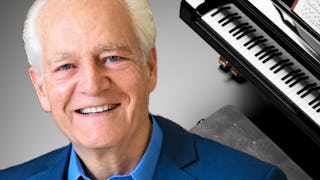
Yale University
Skills you'll gain: Music History, Classical Music, Music, Music Theory, Musical Composition, Instrumental Music, Performing Arts, Art History, Aesthetics, Storytelling, Liberal Arts

Skills you'll gain: Music, Music Theory, Aesthetics, Sensory Systems Analysis, Culture, Psychology, Cultural Diversity, Neurology, Science and Research

Curtis Institute of Music
Skills you'll gain: Musical Composition, Music History, Instrumental Music, Classical Music, Music Theory, Music Performance, Music, Performing Arts, Aesthetics
University of Rochester
Skills you'll gain: Music History, Music, Music Theory, Musical Composition, Music Performance, Creativity

The Hong Kong University of Science and Technology
Skills you'll gain: Musical Composition, Music Theory, Music, Instrumental Music, Music History, Classical Music, World Music, Creativity

What brings you to Coursera today?

Berklee
Skills you'll gain: Post-Production, Music, Musical Composition, Peer Review, Media Production, Music Performance, Instrumental Music, Automation, Editing, File Management, Collaborative Software, Digital Signal Processing, Writing, Timelines, Coordination, Data Import/Export, Computer Hardware, Electronic Media

Berklee
Skills you'll gain: File Management, Musical Composition, Music Performance, Music, Media Production, Performing Arts, Music Theory, Post-Production, Instrumental Music, Collaborative Software, Digital Signal Processing, Electronic Media, Automation, Editing, Design Software, Computer Hardware, Patch Management, Creativity, System Requirements

Skills you'll gain: Music Theory, Music Performance, Instrumental Music, Music

Berklee
Skills you'll gain: Music Theory, Musical Composition, Music, Music Performance, Peer Review, Instrumental Music, Performing Arts

Berklee
Skills you'll gain: Intellectual Property, Entrepreneurship, Music History, Contract Negotiation, Fundraising and Crowdsourcing, Creativity, Team Building, Creative Problem-Solving, Creative Thinking, Presentations, Innovation, Lawsuits, Court Systems, Music, Brand Strategy, Branding, Project Planning, Performing Arts, Business, Social Media
Berklee
Skills you'll gain: Music, Musical Composition, Peer Review, Post-Production, Media Production, Writing

Berklee
Skills you'll gain: Music, Active Listening, Musical Composition, Choral Music, Instrumental Music, Mindfulness, Meditation & Breathwork, Self-Awareness, Stress Management, World Music, Personal Care, Mental Health, Emotional Intelligence, Resilience
What brings you to Coursera today?
Best free Music Appreciation courses
High-quality free Music Appreciation courses you can start today.
- Introduction to Classical MusicYale UniversityMixed1 - 3 MonthsFree
- Exploring Beethoven’s Piano SonatasCurtis Institute of MusicMixed1 - 3 MonthsFree
- The Music of the BeatlesUniversity of RochesterBeginner1 - 3 MonthsFree
Best Music Appreciation courses from Berklee
Top-rated Music Appreciation courses offered by Berklee on Coursera.
- The Neuroscience of Music and EmotionBerkleeBeginner1 - 4 WeeksBerklee
- Music ProductionBerkleeBeginner3 - 6 MonthsBerklee
- Electronic Music ProductionBerkleeIntermediate3 - 6 MonthsBerklee
Best Music Appreciation certificate programs
Earn a certificate in Music Appreciation from top universities and companies.
- Piano Techniques and EssentialsBerkleeBeginner1 - 3 MonthsSpecialization
- Developing Your MusicianshipBerkleeBeginner3 - 6 MonthsSpecialization
- Music BusinessBerkleeBeginner3 - 6 MonthsSpecialization










