• For Individuals
  • For Businesses
  • For Universities
  • For Governments
Degrees
​
Log In
Join for Free
  • Browse
  • Electrical Engineering

Electrical Engineering Courses

Electrical engineering courses can help you learn circuit design, signal processing, control systems, and power electronics. You can build skills in troubleshooting electrical systems, analyzing data from sensors, and implementing automation solutions. Many courses introduce tools like MATLAB for simulations, oscilloscopes for testing, and CAD software for designing schematics, allowing you to apply your knowledge in practical settings.


Popular Electrical Engineering Courses and Certifications

  • Status: Free Trial
    Free Trial
    U

    University at Buffalo

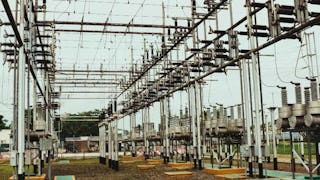
    Electric Power Systems

    Skills you'll gain: Electrical Substation, Electrical Power, Electric Power Systems, Electrical Systems, Energy and Utilities, Basic Electrical Systems, Electrical Equipment, Electrical Safety, Low Voltage, High Voltage, Sustainable Technologies

    4.7
    Rating, 4.7 out of 5 stars
    ·
    7.7K reviews

    Beginner · Course · 1 - 4 Weeks

  • Status: Preview
    Preview
    G

    Georgia Institute of Technology

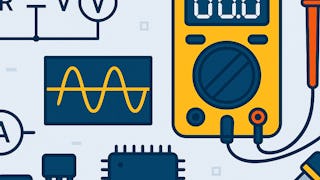
    Introduction to Electronics

    Skills you'll gain: Electronic Components, Semiconductors, Electronics, Electrical Engineering, Basic Electrical Systems, Electronics Engineering, Engineering Analysis, Schematic Diagrams

    4.7
    Rating, 4.7 out of 5 stars
    ·
    2.6K reviews

    Mixed · Course · 1 - 3 Months

  • Status: New
    New
    B

    Birla Institute of Technology & Science, Pilani

    Basic Electronics

    Skills you'll gain: Electronic Systems, Semiconductors, Basic Electrical Systems, Electrical Engineering, Electronics, Electronic Components, Electronics Engineering, Power Electronics, Electrical Systems, Engineering Analysis, Network Analysis, Engineering Calculations, Control Systems, Applied Mathematics

    Beginner · Course · 1 - 3 Months

  • Status: Free Trial
    Free Trial
    L

    L&T EduTech

    Power System: Generation, Transmission and Protection

    Skills you'll gain: Electrical Power, Electric Power Systems, Electrical Systems, Control Systems, Electrical Substation, Electrical Equipment, Energy and Utilities, Electrical Safety, Plant Operations and Management, High Voltage, Applied Mathematics, Power Electronics, Automation Engineering, Basic Electrical Systems, Electrical Engineering, Low Voltage, Process Control, Mathematical Modeling, Matlab, Three-Phase

    4.5
    Rating, 4.5 out of 5 stars
    ·
    249 reviews

    Intermediate · Specialization · 3 - 6 Months

  • Status: Free Trial
    Free Trial
    U

    University of Colorado Boulder

    Power Electronics

    Skills you'll gain: Power Electronics, Control Systems, USB, Electronic Systems, Simulations, Engineering Documentation, Semiconductors, Electrical Engineering, Engineering Design Process, Electrical Systems, Electronic Components, Electrical Power, Hardware Design, Electronics, Technical Communication, Electronics Engineering, electromagnetics, Electric Power Systems, Simulation and Simulation Software, Design Specifications

    Build toward a degree

    4.7
    Rating, 4.7 out of 5 stars
    ·
    4.3K reviews

    Intermediate · Specialization · 3 - 6 Months

  • Status: Free Trial
    Free Trial
    R

    Rice University

    Introduction to Electricity and Magnetism

    Skills you'll gain: Basic Electrical Systems, Electrical Engineering, Torque (Physics), electromagnetics, Physics, Electrical Systems, Engineering Analysis, Electronics, Electronic Components, Engineering Calculations, Mechanics, Mathematical Modeling, Applied Mathematics, Problem Solving, Calculus, Advanced Mathematics, Mathematical Theory & Analysis, Differential Equations, Trigonometry, Integral Calculus

    4.7
    Rating, 4.7 out of 5 stars
    ·
    265 reviews

    Intermediate · Specialization · 3 - 6 Months

What brings you to Coursera today?

  • Status: Free Trial
    Free Trial
    U

    University of Colorado Boulder

    Motors and Motor Control Circuits

    Skills you'll gain: Control Systems, Basic Electrical Systems, Electrical Systems, Power Electronics, Three-Phase, Torque (Physics), Electrical Equipment, Embedded Software, Electronics, Electrical Wiring, Electronic Hardware, Design Specifications, System Requirements, Laboratory Experience, Electronic Components

    Build toward a degree

    4.7
    Rating, 4.7 out of 5 stars
    ·
    1.4K reviews

    Intermediate · Course · 1 - 3 Months

  • Status: Free Trial
    Free Trial
    U

    University at Buffalo

    Solar Energy and Electrical System Design

    Skills you'll gain: Electrical Systems, Electrical Wiring, HVAC, Building Design, Construction Inspection, Basic Electrical Systems, Engineering Calculations, Architectural Design, System Requirements, Mechanical Design, Building Codes, Structural Analysis, Cost Estimation

    4.7
    Rating, 4.7 out of 5 stars
    ·
    721 reviews

    Intermediate · Course · 1 - 3 Months

  • Status: Free Trial
    Free Trial
    U

    University of Colorado Boulder

    Embedding Sensors and Motors

    Skills you'll gain: Control Systems, Process Control, Machine Controls, Engineering, Scientific, and Technical Instruments, Embedded Systems, Electronic Hardware, Embedded Software, Automation Engineering, Hardware Design, Electronics Engineering, Manufacturing Processes, Basic Electrical Systems, Electronic Systems, Electronics, Electrical Systems, Electrical and Computer Engineering, Electronic Components, Power Electronics, Three-Phase, Torque (Physics)

    Build toward a degree

    4.6
    Rating, 4.6 out of 5 stars
    ·
    2.9K reviews

    Intermediate · Specialization · 3 - 6 Months

  • Status: Free Trial
    Free Trial
    L

    L&T EduTech

    Basics of Electrical Protection System

    Skills you'll gain: Electric Power Systems, Electrical Substation, Electrical Equipment, Electrical Safety, High Voltage, Basic Electrical Systems, Low Voltage, Electrical Engineering, Three-Phase, Coordination

    4.5
    Rating, 4.5 out of 5 stars
    ·
    72 reviews

    Beginner · Course · 1 - 3 Months

  • Status: Preview
    Preview
    G

    Georgia Institute of Technology

    Linear Circuits 1: DC Analysis

    Skills you'll gain: Basic Electrical Systems, Electronic Components, Electrical Systems, Electronic Systems, Electrical Engineering, Engineering Analysis, Electronics, Engineering Calculations, Physics, Schematic Diagrams

    4.5
    Rating, 4.5 out of 5 stars
    ·
    1.5K reviews

    Mixed · Course · 1 - 3 Months

  • Status: Free Trial
    Free Trial
    L

    L&T EduTech

    Electrical Power Distribution

    Skills you'll gain: Electrical Systems, Electrical Power, Electrical Substation, Electric Power Systems, Low Voltage, Three-Phase, High Voltage, Electrical Equipment, Electrical Safety, Control Systems, Construction, Automation Engineering

    4.5
    Rating, 4.5 out of 5 stars
    ·
    145 reviews

    Beginner · Course · 1 - 3 Months

1234…91

In summary, here are 10 of our most popular electrical engineering courses

  • Electric Power Systems: University at Buffalo
  • Introduction to Electronics: Georgia Institute of Technology
  • Basic Electronics: Birla Institute of Technology & Science, Pilani
  • Power System: Generation, Transmission and Protection: L&T EduTech
  • Power Electronics: University of Colorado Boulder
  • Introduction to Electricity and Magnetism: Rice University
  • Motors and Motor Control Circuits: University of Colorado Boulder
  • Solar Energy and Electrical System Design: University at Buffalo
  • Embedding Sensors and Motors: University of Colorado Boulder
  • Basics of Electrical Protection System: L&T EduTech

Frequently Asked Questions about Electrical Engineering

Electrical engineering is a branch of engineering that focuses on the study and application of electricity, electronics, and electromagnetism. It plays a crucial role in the development of various technologies that power our modern world, from electrical circuits and power generation to telecommunications and control systems. Understanding electrical engineering is essential for creating innovative solutions that enhance efficiency, safety, and sustainability in numerous industries.‎

A degree in electrical engineering opens up a variety of career opportunities. You can work as an electrical engineer, designing and testing electrical systems, or as a project manager overseeing engineering projects. Other roles include systems engineer, control engineer, and telecommunications engineer. Additionally, positions in research and development, consulting, and teaching are also available, allowing for a diverse range of career paths.‎

To succeed in electrical engineering, you need a solid foundation in mathematics and physics. Key skills include circuit design, problem-solving, and analytical thinking. Familiarity with software tools for simulation and modeling, such as MATLAB or AutoCAD, is also beneficial. Additionally, understanding programming languages and having good communication skills can enhance your effectiveness in collaborative projects.‎

There are numerous online courses available for those interested in electrical engineering. Some highly regarded options include introductory courses that cover basic principles, as well as specialized programs focusing on areas like power systems, electronics, and control systems. Exploring platforms like Coursera can help you find courses tailored to your interests and career goals.‎

Yes. You can start learning electrical engineering on Coursera for free in two ways:

  1. Preview the first module of many electrical engineering courses at no cost. This includes video lessons, readings, graded assignments, and Coursera Coach (where available).
  2. Start a 7-day free trial for Specializations or Coursera Plus. This gives you full access to all course content across eligible programs within the timeframe of your trial.

If you want to keep learning, earn a certificate in electrical engineering, or unlock full course access after the preview or trial, you can upgrade or apply for financial aid.‎

To learn electrical engineering, start with foundational courses that cover essential concepts in electricity and circuits. Engage in hands-on projects to apply your knowledge practically. Utilize online resources, textbooks, and forums to deepen your understanding. Joining study groups or online communities can also provide support and motivation as you progress in your learning journey.‎

Typical topics covered in electrical engineering courses include circuit analysis, digital systems, electromagnetism, control systems, and signal processing. Advanced courses may explore power electronics, renewable energy systems, and telecommunications. This broad curriculum equips you with the knowledge needed to tackle real-world engineering challenges.‎

For training and upskilling employees in electrical engineering, consider programs that focus on practical applications and emerging technologies. Professional certificates like the IBM AI Engineering Professional Certificate or the Akamai Network Engineering Professional Certificate can provide valuable skills that are directly applicable in the workplace.‎

This FAQ content has been made available for informational purposes only. Learners are advised to conduct additional research to ensure that courses and other credentials pursued meet their personal, professional, and financial goals.

Other topics to explore

Arts and Humanities
338 courses
Business
1095 courses
Computer Science
668 courses
Data Science
425 courses
Information Technology
145 courses
Health
471 courses
Math and Logic
70 courses
Personal Development
137 courses
Physical Science and Engineering
413 courses
Social Sciences
401 courses
Language Learning
150 courses

Coursera Footer

Skills

  • Artificial Intelligence (AI)
  • Cybersecurity
  • Data Analytics
  • Digital Marketing
  • English Speaking
  • Generative AI (GenAI)
  • Microsoft Excel
  • Microsoft Power BI
  • Project Management
  • Python

Certificates & Programs

  • Google Cybersecurity Certificate
  • Google Data Analytics Certificate
  • Google IT Support Certificate
  • Google Project Management Certificate
  • Google UX Design Certificate
  • IBM Data Analyst Certificate
  • IBM Data Science Certificate
  • Machine Learning Certificate
  • Microsoft Power BI Data Analyst Certificate
  • UI / UX Design Certificate

Industries & Careers

  • Business
  • Computer Science
  • Data Science
  • Education & Teaching
  • Engineering
  • Finance
  • Healthcare
  • Human Resources (HR)
  • Information Technology (IT)
  • Marketing

Career Resources

  • Career Aptitude Test
  • Examples of Strengths and Weaknesses for Job Interviews
  • High-Income Skills to Learn
  • How Does Cryptocurrency Work?
  • How to Highlight Duplicates in Google Sheets
  • How to Learn Artificial Intelligence
  • Popular Cybersecurity Certifications
  • Preparing for the PMP Certification
  • Signs You Will Get the Job After an Interview
  • What Is Artificial Intelligence?

Coursera

  • About
  • What We Offer
  • Leadership
  • Careers
  • Catalog
  • Coursera Plus
  • Professional Certificates
  • MasterTrack® Certificates
  • Degrees
  • For Enterprise
  • For Government
  • For Campus
  • Become a Partner
  • Social Impact
  • Free Courses
  • Share your Coursera learning story

Community

  • Learners
  • Partners
  • Beta Testers
  • Blog
  • The Coursera Podcast
  • Tech Blog

More

  • Press
  • Investors
  • Terms
  • Privacy
  • Help
  • Accessibility
  • Contact
  • Articles
  • Directory
  • Affiliates
  • Modern Slavery Statement
  • Do Not Sell/Share
Learn Anywhere
Download on the App Store
Get it on Google Play
Logo of Certified B Corporation
© 2026 Coursera Inc. All rights reserved.
  • Coursera Facebook
  • Coursera Linkedin
  • Coursera Twitter
  • Coursera YouTube
  • Coursera Instagram
  • Coursera TikTok